High-fiber foods for better digestion
High-fiber foods help your digestive system work more smoothly and keep you feeling full for longer. Here is a simple guide to sources of dietary fiber, why skins and seeds matter, and when you might be getting too much.
Why high-fiber foods matter
Healthy eating is built on variety, rather than one miracle food. A balanced plate contains more than just meat, potatoes or lettuce. It should include both animal and plant foods, because it is the plant foods that provide dietary fiber.
Dietary fiber is a component of plant foods that your body does not use in the same way as sugar or fat. Even so, it does a lot of good for your digestion. Dietary fiber that swells readily binds water and creates a feeling of fullness. It also helps food move through your intestines more easily. This can relieve constipation and help keep cholesterol and blood sugar levels balanced.
The simple truth is that dietary fiber is found only in plant foods. Meat products contain no dietary fiber. This is why a diet built heavily around meat often lacks the very component that helps your digestive system work well.
How high-fiber foods work
The recommended daily intake of dietary fiber is 20 to 25 grams, with some recommendations going as high as 25-35 grams. This does not mean you need to start weighing every mouthful. Instead, check whether your daily diet includes whole grains, vegetables, fruit, berries, seeds or legumes.
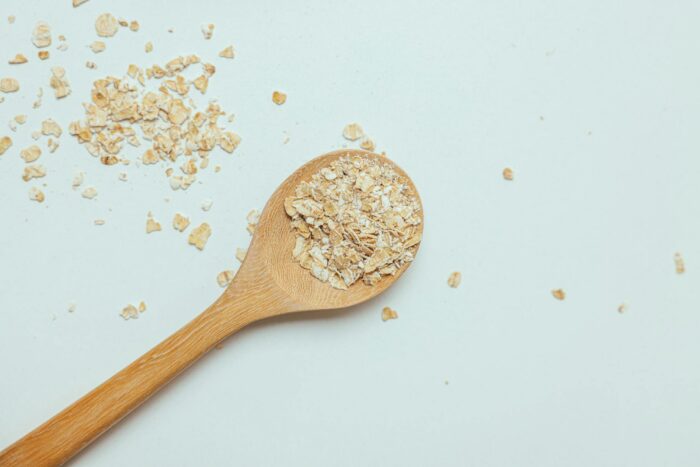
Foods rich in dietary fiber often contain vitamins and minerals too. This is why whole-grain bread, rolled oats, beans, peas, berries and fruit do more than simply fill your stomach. These are everyday foods with a practical benefit: they keep you feeling full for longer and may reduce the urge to snack.
Where dietary fiber is found matters too. It is often in the parts we tend to throw away: apple skins and seeds, the membranes around citrus segments and the white pith. Grapefruit, for example, can be a very good source of dietary fiber, but if you eat half a grapefruit with a spoon and leave the membranes behind, you miss out on some of the benefits.
The same principle applies to juice. If you choose juice, opt for a version with pulp. That does not make it a serving of vegetables, but it does provide more plant material than completely clear juice.
Practical choices at the store and in the kitchen
If you want to get more dietary fiber, start with simple swaps. Choose rye bread or whole-grain bread instead of white bread. Add berries, seeds or wheat bran to your morning porridge. Add lentils or beans to soup. Eat apples with the skin on, making sure you wash them thoroughly first.
The benefits of cornmeal also come up often, as it is familiar to many people and easy to prepare. Its dietary fiber content is listed as 5 in the table below, which means it can have a place in your diet, but you should not rely on it alone. Combining different sources is a better approach.
Dietary fiber content per 100 grams of food:
| Food | Dietary fiber, g |
|---|---|
| Dried rose hips | 43 |
| Wheat bran, caraway seeds | 38 |
| Whole-grain breakfast cereals | 30 |
| Coconut flakes | 24 |
| Dried beans | 22 |
| Pumpkin seeds | 21 |
| Oat bran | 17 |
| Passion fruit | 16 |
| Crispbread, rusks, dried apricots | 15 |
| Wheat germ, muesli, rye flour, rye flakes | 14 |
| Dried apples | 12 |
| Rose hips | 11 |
| Cocoa powder, pomegranate, whole-grain rye bread | 10 |
| Wheat flakes, kama, raisins | 10 |
| Rye bread, four-grain flakes, lentils | 9 |
| Pecans, coconut, Brazil nuts | 9 |
| Peanuts, peppermint | 8 |
| Blood bread, barley flour, pearl barley, prunes | 8 |
| Brown rice, black salsify, horseradish, almonds | 7 |
| Cooked beans, peas, cloudberries, yeast | 6 |
| Cashews, hazelnuts, sunflower seeds | 6 |
| Dried pineapple, dates, pears, sugar snap peas | 6 |
| Dewberries, sea buckthorn berries, buckwheat, rolled oats | 6 |
| Cornflakes, brown wheat bread, popcorn, tomato paste | 5 |
| Walnuts, cornmeal, blackcurrants | 5 |
Honestly, you do not need to memorize this table. Look at the pattern instead: dried berries, bran, whole grains, legumes, nuts and seeds generally provide more dietary fiber than highly refined foods.
Too much is not good either. Consuming more than 40 grams of dietary fiber a day can leave you feeling uncomfortably full. Excess dietary fiber promotes gas production and can cause your body to lose calcium. A balance between animal and plant foods remains important.
FAQ: high-fiber foods
Can you only get dietary fiber from plant foods?
Yes. Dietary fiber is found in plant foods, such as grains, fruit and vegetables, berries, seeds and legumes. Meat products contain no dietary fiber.
Can you have too much dietary fiber in your diet?
Yes. More than 40 grams of dietary fiber a day can cause uncomfortable fullness and gas. If you increase your intake, do so gradually and drink enough water.
What are some everyday foods that contain dietary fiber?
Whole-grain bread, rolled oats, beans, peas, lentils, berries, apples with the skin on, nuts and seeds are a good starting point. Choose several sources, rather than just one favorite.
Click to calculate your calories!
Author: compiled by Liis Kutsar from various sources
Source: WHO – healthy eating.
Come work out! ArtGym