How to boost testosterone: 6 ways
How can you raise your testosterone levels without medication? The short answer: eat well, train smart and get enough sleep. The longer answer is below — six practical steps that work together and can make a noticeable difference within just a few weeks.
Why testosterone levels matter
Testosterone is the primary male sex hormone. It affects muscle mass, strength, libido and everyday energy levels. Levels vary from person to person — metabolic rate, age, sleep and diet all play a part. The good news: you can manage a substantial share of these fluctuations yourself. There is no bad news.
Food: how to boost testosterone through your diet
1. Eat meat. Studies show that men who eat meat have higher testosterone levels than those who favor a predominantly plant-based diet. Red meat contains cholesterol, a raw material for hormone production, as well as zinc, which is directly required for testosterone synthesis. Two meals containing meat a day is a reasonable target. Chicken and fish count too, but red meat — such as roast beef a couple of times a week — should also have a place in your diet.
2. Consume carbohydrates immediately after your workout. After a workout, your body needs 1.1–1.3 grams of rapidly absorbed carbohydrate (glucose, dextrose) per kilogram of body weight. This raises insulin levels, which kick-starts recovery and prevents catabolism, or muscle breakdown. Muscle breakdown means falling testosterone levels — this chain of events is well documented.
How to boost testosterone with supplements
3. Take whey protein and glutamine before your workout. Whey is a rapidly absorbed protein that contains branched-chain amino acids (BCAA). Taking BCAA before a workout helps keep testosterone levels stable. 20 grams of whey protein provides an average of 7 grams of BCAA. Add 5 grams of glutamine and around 30 grams of slowly absorbed carbohydrate — rolled oats, corn or whole-grain bread all work well. Eat this amount around 40 minutes before you start your workout.
4. Vitamin C. If you train seriously, you need more vitamin C than the average person — it acts as an antioxidant and helps counter catabolism. A good routine: take 500 milligrams of vitamin C (one tablet) with breakfast and another 500 milligrams with your third or fourth meal of the day. An orange after lunch does no harm, but a tablet ensures you get the full amount.
How to boost testosterone by training smart
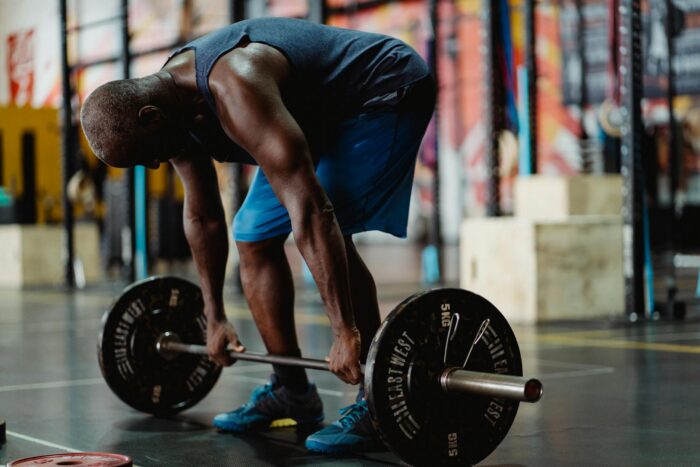
5. Avoid overtraining. How can you tell if you are overtraining? If your calorie intake is adequate — with at least 2 grams of protein per kilogram of body weight per day — and you eat well, but your muscles still are not growing, the likely cause is excessive training frequency and volume. Too many sets and too few rest days are a direct route to catabolism and low testosterone. Add a rest day or two, reduce the number of sets and see what happens. Progress often comes when you ease off a little.
6. Keep aerobic training moderate. Long, frequent cardio sessions lower testosterone — that is a simple truth. When you are building muscle mass, keep running and cycling to a minimum. If your goal is to lower your body fat percentage, you cannot avoid cardio altogether, but even then, shorter intervals are preferable to long sessions at a steady pace.
Find testosterone boosters here.
FAQ
How quickly will you see results?
Changes to your diet and sleep take effect within a couple of weeks. Adjusting your training schedule produces results in around 4–8 weeks. There is no miracle cure — all six steps work together, not individually.
Can you maintain testosterone levels as a vegetarian?
You can, but it takes more care — especially with zinc, iron and your total protein intake. Eggs and dairy products help a lot. If you follow a strict vegan diet, you must take a zinc supplement.
Does sleep affect testosterone?
It has the greatest impact. Getting less than six hours of sleep noticeably affects testosterone within just one week. 7–9 hours a night is a basic requirement, not a recommendation.
Author: Marek Morozov
Come and work out! ArtGym