
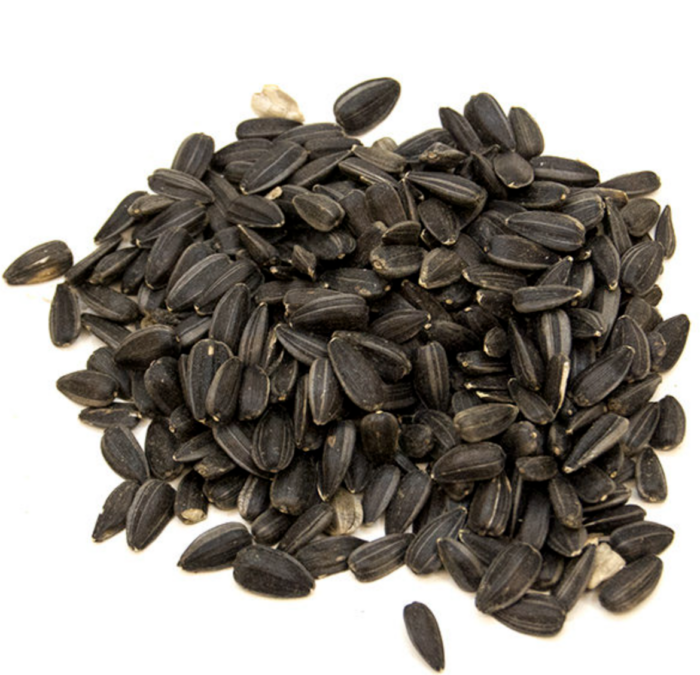
Sunflower seeds: a simple food for active people
Sunflower seeds are a small, simple food, but in the diet of someone who trains they can do more work than you might expect at first glance. They provide protein, dietary fiber, healthy fats and vitamin E, so they suit snacking during the day rather than right before a workout.
Why are sunflower seeds interesting for people who train?
The good old bag of sunflower seeds is familiar to many from the bus stop, school days or watching films at home. People don’t usually think of them as food for training. They’re more something you munch on the go, with the shells ending up scattered everywhere.
But once you look at what’s inside, the picture gets more interesting. Sunflower seeds contain arginine and glutamine, which the original text highlighted as compounds that support muscle growth. That doesn’t make sunflower seeds a miracle food. It does show, though, that they aren’t an empty snack.
Sunflower seeds also contain betaine. The original text described it as a methyl donor that the body uses to rebuild bone connections and to protect the liver from various chemical conversions, including alcohol and steroids. Claims like these shouldn’t be oversold, but the point stands: sunflower seeds give the body more than just a salty crunch.
A simple truth: if the rest of your diet is in order, sunflower seeds can be one practical addition. If your diet consists only of random bites, no seed will save the day.
How do sunflower seeds fit with supplements?
The original article said outright that sunflower seeds can be a good food when you use supplements that contain glykocyamine, a precursor of creatine. The reasoning was simple: betaine helps convert it into creatine.
That sounds very much like the world of supplements, but at the level of food there’s no need to overcomplicate things. Seeds don’t replace well-planned training, enough sleep or a proper amount of protein. They’re more of a small helper: plant fat, a little protein, a little carbohydrate and a decent amount of dietary fiber in one food.
Sunflower seeds are also a source of mono- and polyunsaturated fatty acids. These fats fit into an everyday diet better than constantly snacking on pastries, candy or greasy fast food. That’s especially true when the goal is to stay full for longer instead of looking for something sweet every hour.
There is one small catch, though. Sunflower seeds are energy-dense. It’s easy to eat too many, because your hand keeps going back to the bag almost on its own. If your goal is weight loss, portion out the amount beforehand and don’t eat straight from a big bag.
Dosage
The original recommendation was specific: eat half a cup over the course of the day. That amount contains 12 g of protein, 15 g of carbohydrates, more than 7 g of dietary fiber, about 3 g of glutamine and 1 ½ g of arginine.
More than 7 g of dietary fiber is exactly why sunflower seeds aren’t the best choice when your workout is close. Your stomach may feel heavy and uncomfortable. It’s better to eat them earlier in the day, for example between lunch and dinner.
What to look for when choosing sunflower seeds?
The simplest choice is ordinary sunflower seeds. If you buy shelled seeds, they’re easy to add to porridge, yogurt, salad or homemade bread. Sunflower seeds in the shell are better suited to slow snacking, because eating them takes longer.
The salted version may taste better, but be careful with it for everyday eating. If the bag disappears quickly, you also get a lot of salt. That doesn’t mean salted seeds are forbidden. Just don’t turn them into an automatic evening habit.
Roasting makes the flavor stronger. Some people like that, while others prefer a milder version. If your stomach is sensitive, try a smaller amount and see how you feel. Digestion is a very personal thing, especially with foods rich in dietary fiber.
Honestly, the biggest plus of sunflower seeds is their simplicity. You don’t have to mix them in a shaker, measure them with a powder scoop or time them to the minute. Put a small amount in a container and take it with you. That’s the whole trick.
FAQ: sunflower seeds and the diet of people who train
Are sunflower seeds suitable before a workout?
Preferably not right before a workout. The original text stressed that more than 7 g of dietary fiber makes them unsuitable when your workout is close. Eat them earlier in the day, or after your workout together with other food.
Do sunflower seeds help build muscle?
Not on their own. Sunflower seeds provide 12 g of protein and contain about 3 g of glutamine and 1 ½ g of arginine in the amount the original article described. Muscle growth still comes from the combination of training, enough food and recovery.
Are shelled sunflower seeds the same thing?
Essentially yes, if we’re talking about the edible part of the sunflower seed. Shelled seeds are easier to add to meals. Sunflower seeds in the shell are better suited to slow snacking.
You can find sunflower seeds at Pähklipureja!
Author: joker
Source: WHO – physical activity.
Come and train! ArtGym




