Dietary fiber: why it matters for your health
Dietary fiber is the part of plant foods you cannot digest yourself — and that is precisely what makes it essential for digestion. The simple truth is that the more root vegetables, fruit, legumes and grains you put on your plate, the better things move through your bowel and the more reliably your blood cholesterol stays under control. In this article, we explore the different types of dietary fiber, how they work and how much it makes sense to consume each day.
What exactly is dietary fiber?
Older Estonian literature still uses terms equivalent to “roughage” and “ballast substances,” but today we call it dietary fiber. It is divided into polysaccharide and non-polysaccharide types. Polysaccharide dietary fiber is further divided into two groups: water-soluble and water-insoluble. This distinction is more than academic — each group does a different job in your body.
Soluble dietary fiber
Pectins are the main examples of water-soluble dietary fiber. They act as a binding substance between cells in most plant tissues and are abundant in fruit, legumes and grains — particularly in fruit that is still ripening. Pectins swell readily and their solutions easily form gels (this is also what makes homemade jam set). In your gut, they slow glucose absorption in the small intestine and help lower blood cholesterol levels.
Insoluble dietary fiber
The main example of water-insoluble dietary fiber is cellulose — the most abundant organic compound on our planet and the primary component of plant cell walls. All the plant foods you eat contain it. You cannot digest cellulose yourself, but that does not mean it offers no benefits. Cellulose and hemicellulose add bulk to partially digested food, speed its passage through the small intestine and promote mucus secretion in the large intestine.
Plant foods also contain non-polysaccharide dietary fiber, the most important example being lignin — a natural phenylpropane-based polymer that is deposited in plant cell walls and makes them woody. Higher plants contain about 25% lignin. In the digestive tract, lignin binds to bile acids to form an insoluble complex, preventing their reabsorption — a mechanism similar to that of some cholesterol-lowering medicines (such as cholestyramine). Lignin is also considered a protective form of dietary fiber because it binds metal ions that trigger peroxidation.
Why dietary fiber matters so much in the Estonian diet
Eating large amounts of refined sucrose is a relatively recent development in human history — and Estonia ranks among the world’s leading consumers. This is where the problems begin. In a healthy, balanced diet, sucrose should meet only 6–9% of your body’s total energy needs, while foods rich in starch and dietary fiber provide around 50% of total energy. Lipids should account for no more than 25%.
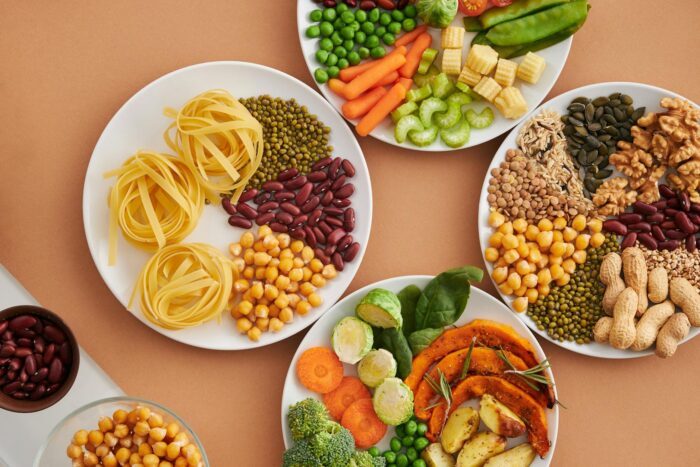
In practice, this means increasing the proportion of root vegetables, fruit, legumes and grains on your plate. The bonus is clear: along with more dietary fiber, you get more vitamins and minerals while reducing your fat intake. Foods rich in dietary fiber bind large amounts of water and quickly make you feel full — which is why many commercially available weight-loss tablets consist mainly of dietary fiber (such as methylcellulose or citrus pectins).
When dietary fiber is especially beneficial
- Weight management. Each mouthful of food rich in dietary fiber contains less energy than fatty and sugary foods. You also eat a smaller quantity of it.
- Constipation and diarrhea. Dietary fiber binds water and retains it in your bowel — with constipation, this softens the contents; with diarrhea, dietary fiber swells and binds excess water.
- Hemorrhoid prevention. Softer bowel contents do not create pressure in your lower abdomen and prevent the veins in your anus from swelling.
- Appendicitis risk. Soft bowel contents do not injure your appendix, making it harder for bacteria to penetrate the intestinal wall.
- Colon cancer risk. Partially digested food moves through more quickly, bowel movements become more frequent and exposure to carcinogens in food is shorter. Some types of dietary fiber bind irreversibly to bile components and carry them out of your body.
- Blood lipid levels. Dietary fiber binds both lipid metabolites and bile acids — this directly reduces your risk of developing cardiovascular disease.
Practical tips for adding dietary fiber
Increase the proportion of foods rich in dietary fiber in your diet gradually — avoid doubling your morning portion of oatmeal overnight. A sudden change causes bloating and discomfort. You also need enough water: without it, dietary fiber does not swell properly in your bowel and may worsen constipation rather than relieve it.
One thing to remember: insoluble dietary fiber interferes with the absorption of minerals and, presumably, vitamins too. This makes a diet that is extremely high in dietary fiber and low in calories dangerous for older adults, children and vegetarians — the risk of micronutrient deficiencies is real. If you are dieting, you should also know that isolated dietary fiber (such as that in some weight-loss tablets) does not offer the same benefits as dietary fiber found naturally in wholesome foods.
Dietary fiber FAQ
Are dietary fiber and dietary fibers the same thing?
Yes. “Dietary fiber” is singular, and “dietary fibers” is plural. Older Estonian nutrition literature also uses terms meaning “roughage” and “ballast substances” — all refer to the same thing: the indigestible components of plant foods.
How much dietary fiber should you get each day?
The general recommendation is for carbohydrates (including dietary fiber) to provide about 50% of your daily energy needs, with sucrose accounting for 6–9%. The specific amount in grams depends on your age and daily energy expenditure, but the rule of thumb is simple: include root vegetables, fruit, legumes and grains with every meal.
Can you take dietary fiber tablets instead of getting fiber from food?
The short answer: don’t count on it. Isolated dietary fibers (methylcellulose, pectin tablets) do help you feel full and may temporarily aid digestion, but they cannot replace the vitamins, minerals and polyphenols that come with natural foods. Food comes first; use tablets only for a specific purpose.
Author: Ero Viik
Source: WHO – physical activity.
PS Come for a workout! ArtGym