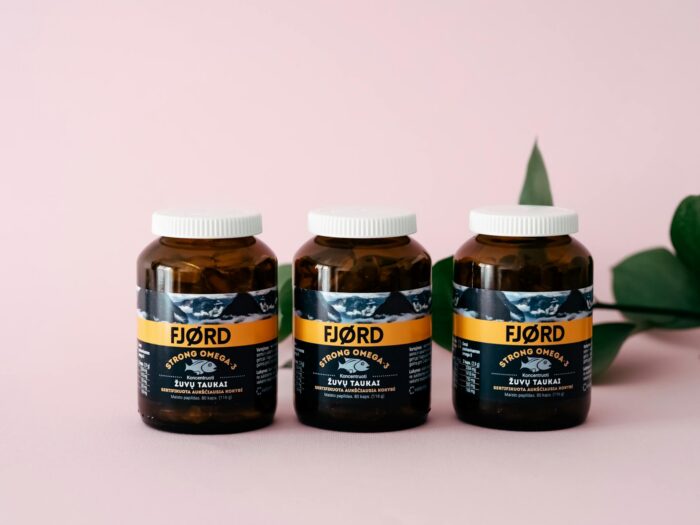
Omega-3 fatty acids and your body’s health
Fatty acids are essential fats that the body cannot make on its own. You need to get them from food or, when necessary, from a supplement. The simplest way to look at it: if the quality of the fat in your diet is poor, your heart, your brain and your recovery will all feel it in the end.
Why omega-3 matters for the body
Fats are often talked about as if they were always a problem. In reality, the picture is much simpler. Some fats burden the body, while others help it work normally. Good fatty acids belong to the second group.
Cell membranes, blood vessels, the brain and the nervous system all need these fatty acids. If your menu regularly includes fish, seeds, nuts and other good fats, your body has more building material to draw on. If your menu consists mainly of random sandwiches, sweets and a quick lunch, that balance can easily tip.
Older Fitness.ee articles emphasized the link between omega-3 fatty acids and cardiovascular health. That idea is still relevant. Good fatty acids support normal blood pressure, healthy blood lipid levels and the elasticity of blood vessels. That doesn’t mean a single capsule fixes your whole lifestyle. But it is one part of the bigger picture.
How omega-3 supports your body and training
Training puts load on the body. Muscles sustain micro-tears, joints do their work and the nervous system has to cope with the effort. This is where recovery comes in. Honestly, recovery is the weak spot for many people who exercise: they show up for workouts diligently, but sleep, food and fat quality are left to chance.
Omega-3 fatty acids are associated with balancing inflammatory processes, supporting immunity and recovering after training. That doesn’t make them a miracle remedy. They are more like a solid base layer: you don’t notice it day to day, but without it the whole system starts to wobble.
- Lowers blood pressure
- Increases fat burning
- Reduces inflammation, boosts immunity
- Speeds up recovery from training
- Reduces the effects of stress on the body
- Helps normalize blood cholesterol levels
- Reduces the risk of cholesterol building up on blood vessel walls and improves their elasticity.
- Helps prevent arthritis
- Helps prevent osteoporosis
- Reduces the risk of diabetes
- An essential fatty acid for the body!
A list like this is worth reading calmly. None of the points means that a supplement replaces a doctor’s advice, medication or consistent physical activity. What it does show is why the topic of fatty acids isn’t just for bodybuilders or people on a diet.
What to look for when choosing an omega-3 source
The most practical place to start is your ordinary week. If fish rarely makes it onto your plate, oily fish almost never does, and most of your fat comes from baked goods or fried food, there is good reason to improve your menu. Sometimes it is enough to deliberately add better fat sources to your week.
When it comes to a supplement, it’s worth paying attention to a few simple things: how clear the ingredient list is, how convenient it is to take and whether it fits your overall nutrition. Don’t choose based on a big label alone. Look at what the product actually contains.
The original article pointed to where to find omega-3 fatty acids here: HERE.
Omega-3 is also an important topic when it comes to the brain. Our brain is largely made up of fat, that is, lipids, cholesterol and water. That doesn’t mean you should fear fat. On the contrary: quality fat is necessary for mental work and for the normal functioning of the nervous system.
Omega-3 FAQ
Is omega-3 only for athletes?
No. An athlete may notice the effect of omega-3 through recovery and training-load tolerance, but these fatty acids are also necessary for anyone who simply wants to look after their heart, brain and general health.
Does a capsule replace eating fish?
Not quite. Besides fatty acids, fish and other whole foods also provide protein and other nutrients. A capsule can be a convenient addition when your food falls short.
When should you think about omega-3?
When your menu contains few good fats, your recovery drags on or your nutrition has been one-sided for a long time. A simple truth: before buying a supplement, take a look at your regular plate too.
Author: Turg.Fitness.ee
Come train with us! ArtGym