
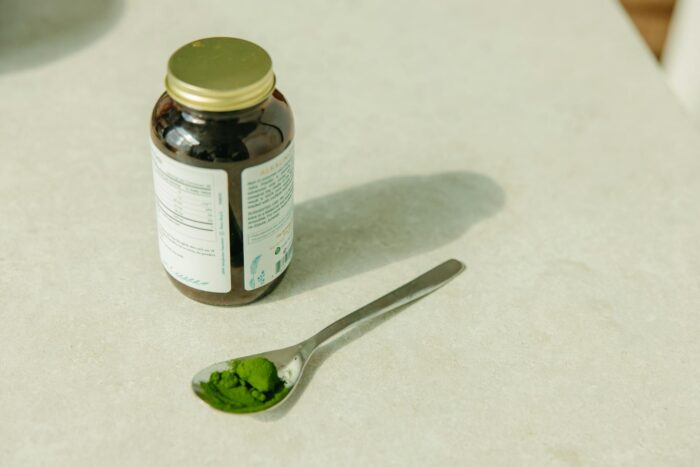
Spirulina algae: everything you need for life
Spirulina as an ancient microalga
The ancestor of all living things, one of the oldest plants on planet Earth (3.5 billion years old) – the blue-green microalga spirulina (Spirulina platerisis) contains a powerful combination of substances valuable to the human body, some of which are extremely rare and practically absent from plant foods.
Spirulina (Arthrospira platensis) is a microscopic, single-celled alga that has lived on Earth for as long as there has been life here. This blue-green microalga has a spiral-shaped structure, which is also how spirulina got its name.
A complex of vitamins, minerals and amino acids balanced by nature itself staggers the imagination – 1 g of dry spirulina powder contains as many beneficial substances as 1 kilogram of fresh garden vegetables and fruit.
Spirulina biomass contains absolutely all the substances the human body needs to function. The body absorbs them considerably more easily than similar substances from other foods. At this concentration, the protein content makes spirulina a unique food for vegetarians, for whom plant-based protein is very important.
The content of complete protein in spirulina significantly exceeds the protein content of all existing foods, including meat, soy and legumes. 100 g of spirulina contains 60-70 g of protein (3x more than pork; 2x more than other meats and fish; 1.5x more than soybeans), and the human body absorbs the protein from spirulina very easily, up to 80%. These proteins contain 18 amino acids the human body needs, 8 of which are essential, meaning the body cannot synthesize them. In addition, spirulina contains plenty of micro- and macroelements: iron, calcium, copper, magnesium, manganese, zinc, phosphorus and selenium, as well as large amounts of vitamins. These include beta-carotene (10x more concentrated in spirulina than in carrots), nucleic acids (DNA and RNA – which perform important functions in storing and transmitting genetic information), gamma-linolenic acid (which is one of the Omega –6 polyunsaturated fatty acids), chlorophyll (a source of organic iron, as well as an excellent means of detoxification and the release of waste products) and phycocyanin (stimulates the immune system, inhibits the growth of cancer cells).
Effects of spirulina on the body
- significantly strengthens immunity and normalizes metabolism
- reduces fatigue and increases endurance
- ensures rapid recovery of the body under heavy physical and mental loads
- normalizes the function of the nervous system, brain and cardiovascular system
- compensates for vitamin and mineral deficiency
- improves vision
- stimulates hemoglobin synthesis
- lowers cholesterol levels and stabilizes blood sugar
- normalizes arterial blood pressure
- promotes the elimination of toxins, heavy metals and radionuclides from the body
- restores the function of the blood-forming organs after radiation, chemical or infectious damage
- helps with getting rid of excess body weight
- significantly shortens recovery time in the postoperative and postpartum period, and also increases milk secretion in breastfeeding mothers.
Spirulina is a completely safe food, and regular consumption brings a guaranteed boost of vitality and energy. At the same time, resistance to stress, heavier physical loads and illness is boosted more effectively than usual.
Spirulina protein stimulates vital processes in the body, effectively strengthens immunity and creates a sense of well-being. It is an essential aid for pregnant and breastfeeding women. Spirulina is particularly recommended for vegetarians who lead an active lifestyle or live in cold-climate countries and whose diet is characterized by a protein deficit.
Its deep green color comes from rainbow-like natural pigments – chlorophyll (green), phycocyanin (blue) and carotenoids (orange) – which harvest the energy of the sun. Many ready-made foods are nutritionally empty – without vitamins, minerals and micronutrients. They leave us with poor health and low energy levels, while excess kilos pile up on the body. Spirulina is perhaps the most nutrient-rich single food on our planet, and it is full of nutrients that are especially valuable to athletes and vegetarians. Spirulina contains 65-71% protein, plenty of B vitamins (B1, B2, B3, B6, B9) and beta-carotene, as well as vitamins A, E and K. A large proportion of microalgae also contain remarkably large amounts of essential fatty acids. These components are important for the optimal functioning of almost all of the body’s mechanisms. These fatty acids govern the structure of cell walls and are important for preventing inflammation. After breast milk, spirulina is considered the best source of gamma-linolenic acid (GLA), an anti-inflammatory fatty acid that is extremely necessary for our nervous system. This microalga also contains an especially large amount of minerals the body needs, including calcium, iron, magnesium, manganese, phosphorus, sulfur, chromium and selenium. A large amount of sulfur-containing amino acids in spirulina (methionine, cysteine) and, in addition, a rare polypeptide called phycocyanin help the liver and nervous system cleanse themselves of harmful toxins in our body.
The most important antioxidants in spirulina are: Beta-carotene (and a hundred more carotenoids), Chlorophyll, the green leaf pigment, Zeaxanthin (an extremely important antioxidant for improving vision), Superoxide dismutase (SOD) (a metabolic enzyme), and an exotic blue-green pigment called phycocyanin.
The nutrient richness of spirulina protein is also confirmed by the fact that NASA has chosen it as a dietary supplement for astronauts.
Throughout history, this remarkable aquatic plant has nourished people in Africa and the Americas. Today, health-conscious people all over the world consume spirulina for their health. If you are switching from processed, empty food and chemical vitamins to natural food, start using spirulina too, nature’s older, living food.
Pure green energy is good for everyone! From the Fitness market!
Feel good on the inside and you will look good on the outside.
Author: Veronika Otter
Source: WHO – physical activity.
Come and train! ArtGym




