
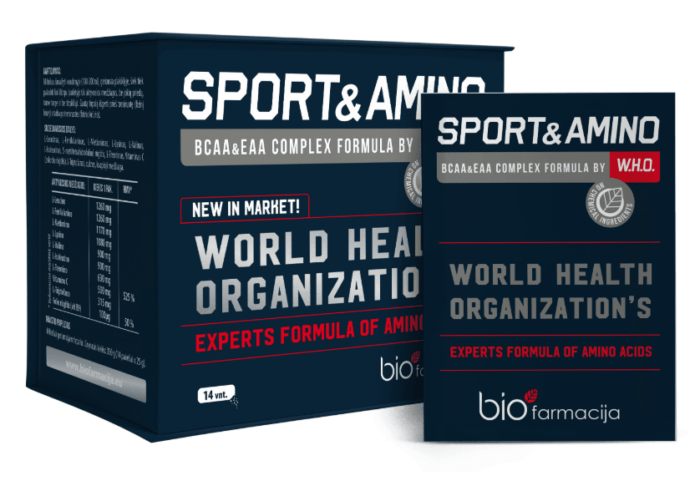
Amino acids come up quickly in the gym, especially when the goal is to build muscle or improve recovery. The simple truth: without enough protein, the body doesn’t have enough material to repair and build muscle tissue.
That doesn’t mean every person who trains has to reach for capsules and powders right away. Usually it all starts with ordinary food: eggs, fish, meat, dairy products, beans, lentils, tofu and grains. The question is whether you get enough of them in your diet and whether they match your training load.
Why amino acids matter if you train
If walking down the stairs after leg day feels comically hard, your body is in the middle of repairs. Training causes small amounts of damage in the muscles. During recovery, the body rebuilds the tissue stronger, but that takes protein and its building blocks, the amino acids.
The protein you get from food is broken down into amino acids during digestion. The body then uses them for muscles, enzymes, hormones, the immune system and many other processes. In other words, amino acids aren’t just a bodybuilder’s topic. They concern anyone who moves, works, recovers and wants to feel good.
Consistency matters for training too. One very protein-rich dinner won’t save a week where your mornings consist of nothing but coffee and your lunches get skipped. The body prefers a regular supply.
How amino acids work in the body
Proteins are made up of 20 amino acids. The body can produce some of them itself, while others have to come from food. The ones the body can’t make in sufficient amounts are called essential amino acids. These include L-leucine, isoleucine, valine, lysine, methionine, phenylalanine and L-tryptophan.
L-leucine, isoleucine and valine are familiar to many people under the abbreviation BCAA. They are branched-chain amino acids and are most often linked to strength training and recovery. They don’t work alone, though. The body needs the full set of amino acids, not just the three well-known names on a tub label.
Nonessential amino acids, such as alanine, glutamine and arginine, are no less important. The name simply means that the body can make them itself. With a high training load, too little sleep or poor nutrition, the need can still increase. Honestly, the most sensible first step here isn’t a new supplement but a review of your everyday menu.
Amino acids in food and as supplements
The best foundation is a varied spread of protein sources. Animal sources of protein, such as eggs, chicken, fish, quark and yogurt, usually provide a good amino acid profile. With plant foods, it’s worth combining different sources: legumes together with grains, for example. That gives the body a wider range of the building blocks it needs.
So what actually happens when you don’t get enough protein? Recovery drags on, muscle soreness can last longer and training progress stalls. Some people also get a constant urge to snack, because their meals don’t provide enough fullness. It isn’t always a lack of amino acids, but often the menu simply contains too little decent protein.
A supplement can be convenient when you have a lot of training sessions, long days or eating gets squeezed out by lack of time. Protein powder, for example, can help cover your daily protein intake when ordinary food isn’t within reach. Sportprotein, referenced in the original article, was given as one such example. That doesn’t mean powder is mandatory; it’s simply one practical option.
What to watch to make sure your amino acids are covered
Start with your meals. Every main meal should include a clear source of protein. For breakfast, eggs, Greek yogurt or quark work well. At lunch, your plate might hold fish, chicken, tofu, beans or lentils. In the evening the same logic applies: protein, carbohydrate and vegetables on one plate.
Second is timing. You don’t need to panic-mix a shake in the locker room after your workout. It is sensible, though, to eat a proper meal within a few hours after training, especially if your next workout is already tomorrow. In winter, when energy levels tend to run lower anyway, regular eating also does a lot for how you feel.
Third, look at the big picture. If your sleep is poor, your stress is high and your meals are random, amino acids alone won’t work miracles. Muscle growth and recovery are always the combined effect of several things: training, food, rest and consistency. It’s a boring answer, but usually the right one.
FAQ
Do amino acids help build muscle?
Yes, but only if your overall nutrition and training support the same goal. Amino acids give the body building material, but muscle growth also needs enough training load, energy and sleep.
Is BCAA better than regular protein?
Not necessarily. BCAA contains only some of the amino acids the body needs. If you already get enough high-quality protein, separate BCAA may not add a noticeable benefit.
Can a vegetarian get all the amino acids they need?
Yes, but the menu has to be well thought out. Legumes, soy, grains, nuts and seeds help cover the need for different amino acids when you eat them in variety.
Learn more: (EAA)
Learn more: (NEAA)
Come and work out! ArtGym




