Workout recovery is the quiet side of training, where muscles actually grow and strength comes back. Grinding hard is easy; letting your body rest properly is the harder part. In this article, I’ll explain how nutrition, sleep, muscle care and a couple of simple tricks can help you get back in shape faster.
Why workout recovery determines athletic performance
Every hard workout is controlled damage. Muscle fibers tear at the microscopic level, glycogen gets used up, and your nervous system is revved up. Your body only gets better from it if it’s given time to adapt.
If you skip rest, at some point your performance will drop sharply. The bar feels heavy, your run is slow, your motivation vanishes. That isn’t laziness. It’s overload.
The good news: recovery doesn’t require miracle products. The basics do most of the work.
Workout recovery starts at the dinner table and with a glass of water
Nutrition
A protein shake after your workout alone won’t save you. Proper recovery starts with what you eat throughout the whole day. A balanced plate — protein, carbohydrates, healthy fats and vegetables — gives your body building material and energy.
A practical tip: plan your meals ahead. If you get hungry and grab a pastry at the gas station, you’ve already lost the day.
Fluids
Water carries nutrients to your muscles and flushes waste products out. Too little, and recovery drags on. Too much, combined with sweating and no salt, and your electrolytes get thrown off balance. In winter in Estonia we tend to drink less than in summer; it’s worth making up for that on purpose. A simple rule of thumb: your morning urine should be light yellow, not dark orange.
Muscle care, cold and active rest
Massage and foam roller
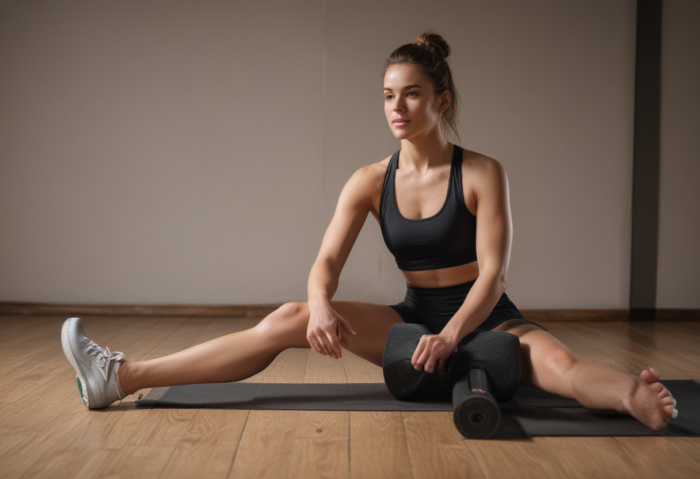
Regular massage improves blood flow and relaxes tense muscles. If you can’t get to a massage therapist every week, a foam roller works surprisingly well at home. Ten minutes of rolling your thighs and calves after a workout is a minimal investment that pays off quickly.
Chiropractic care
If you have chronic back pain or a posture problem, a chiropractor may help. It’s not a cure-all and doesn’t have to be a weekly habit — it’s more for when you feel that something is off and stretching no longer helps.
Cold
An ice pack or a cold shower reduces inflammation and pain after a very hard workout. After a light everyday workout you don’t need cold, but it doesn’t hurt either. In Estonia in winter this is easy anyway: a walk in the cool air does the same job and comes free.
Active rest
Lying on the couch isn’t always the best choice. A light walk, a swim or an easy bike ride keeps your circulation going and speeds up healing.
Recovery and sleep — an underrated pair
Sleep is the cheapest and most powerful recovery tool you have. During deep sleep, growth hormone is released, muscles repair themselves and the nervous system resets.
For an athlete, seven hours may not be enough. If you train 4–5 times a week, make eight hours your new target. Keep the bedroom dark and cool (around 18 °C), and put screens away half an hour before sleep.
The mental side belongs in the same category. Constant stress keeps your body running on a drained battery, and recovery doesn’t properly kick in. Simple things — 10 minutes of quiet in the morning, an evening walk in the woods, one book before sleep — give your brain permission to rest.
Workout recovery FAQ
Are full rest days necessary?
Yes. If you train intensively, plan at least one full rest day per week. If you feel fatigued for weeks in a row, take a 3–5-day deload. Your performance comes back stronger, not weaker.
Can I speed up recovery with supplements?
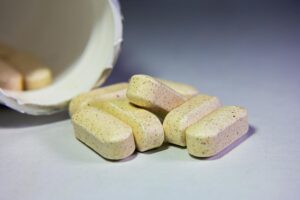
Food, sleep and fluids do the main work. Magnesium and a quality protein powder can fill gaps, but they don’t replace a proper meal or an hour of sleep. Get the basics in place first, then add supplements.
How often should I see a massage therapist?
It depends on your training volume. A casual exerciser can get by with once a month; for someone who trains hard, every two weeks makes sense. Listen to your body — if tension doesn’t resolve with a foam roller or stretching, it’s time to see a professional.
Athletic performance is the tip of the iceberg. The real work happens underneath: eating, sleeping, muscle care, and sometimes simply doing nothing. Get the basics in place and within months you’ll notice that your workouts go better even when you feel just average.
Come train with us! ArtGym