Realistic training goals and how to reach them
When you start training or put together a new training program, setting goals is an important step that keeps you motivated and focused. Realistic training goals help you understand where you are heading and why. Many people, however, fail to get the results they want because their goals are too unrealistic or not clearly defined. Here are some effective strategies for setting realistic training goals and reaching them.
1. Set training goals with the SMART method
The SMART system helps you word your goals in a concrete and understandable way:
- S (Specific) – A goal has to be precise and concrete. For example, “I want to improve my deadlift by 20 kg over the next three months.”
- M (Measurable) – Give your goal measurable criteria. This could be a specific weight, a rep count or the number of workouts per week.
- A (Achievable) – A goal has to be attainable. If you are a beginner, it may not be realistic to aim for ten pull-ups in three months.
- R (Relevant) – A goal should be in line with your overall values and wishes. If you train mainly to maintain your health and fitness, there is no need to make competing your goal.
- T (Time-bound) – Set a specific time frame in which you want to reach the goal, for example “within six weeks”.
2. Start with small steps and be consistent
- Raising your goal gradually helps maintain motivation and reduces the risk of injury. If you are only just starting to train in the gym, make your first goal training three times a week. Once that routine has stuck, add weight or repetitions bit by bit.
- Reaching each small goal builds confidence and gives you the push to move on toward bigger goals. Remember that consistency is the key to success – be patient and trust the process.
3. Focus on the process, not just the result
- Many people set goals based only on the end result (e.g. “I will lose ten kilos” or “I will manage ten pull-ups”), but it is just as important to focus on the daily habits that lead there.
- Set intermediate goals, for example “I will do at least five pull-up attempts in every workout” or “I will keep track of my nutrition and make sure I get enough protein”. Process goals like these help you move forward in every training session and keep you on the right track.
4. Track your progress
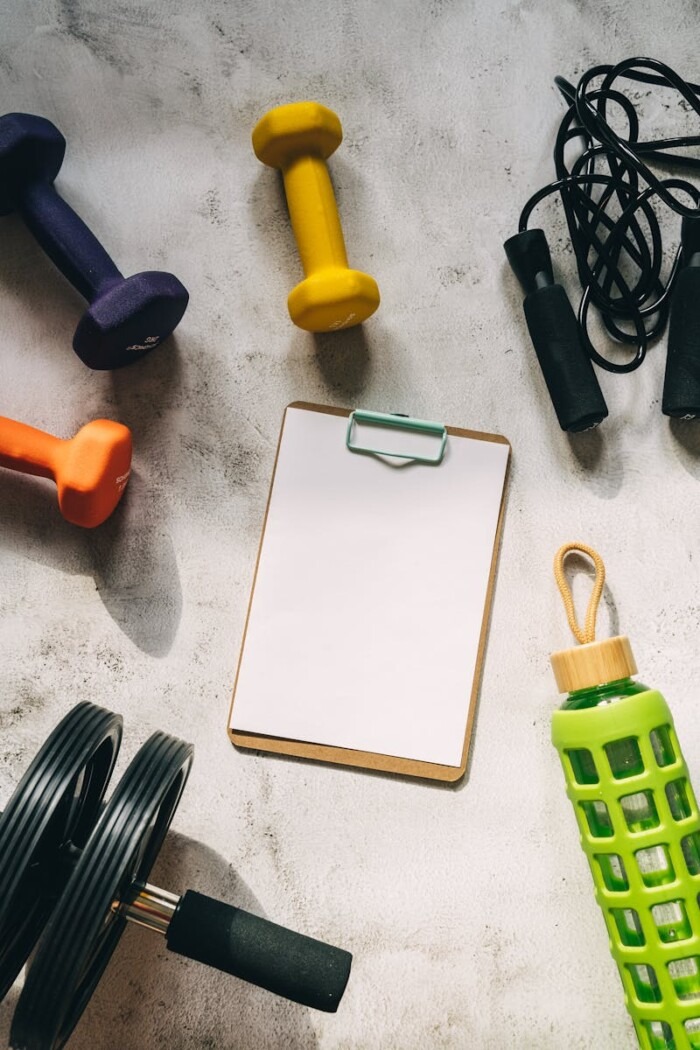
- Keeping a training log helps you stay on top of things and measure progress. Write down the weights you lift in each exercise, your repetitions and how often you train, and at the end of every month sum up how much closer you have come to your goals.
- Also keep an eye on how you feel and how well you are recovering. If you notice that your training sessions have started to cause excessive fatigue, it may make sense to take one day off or reduce the training load. Progress is not always linear, but what matters is that you keep moving forward.
5. Get help from a personal trainer
- If you feel you need professional advice, consider personal training, such as fitness.ee personal training, which can help you build a plan tailored to you and guide you in performing the right exercises.
- A personal trainer helps you set realistic and achievable goals that match your current physical fitness and lifestyle, helping you avoid injuries and providing motivation.
6. Be flexible and adjust your goals when necessary
- Life can bring unexpected changes that affect your training and goals. At some point you may need to revise your goals. What matters is staying flexible and not getting discouraged when your training program needs changing.
- If you feel that a goal has become too stressful or hard to reach, adjust it so that you can still make progress. This helps maintain motivation and prevents burnout.
7. Nutrition and recovery
- Nutrition plays an important role in reaching your goals. Adequate protein intake supports muscle growth and recovery, carbohydrates provide energy and fats support hormonal balance. If you need support with nutrition, consider fitness.ee nutrition counselling, which can help you create a plan that supports your training goals.
- Also make sure you get enough sleep and rest days, as these help your body and muscles recover. If you underestimate the importance of recovery, your training may become less effective and your motivation may drop.
Conclusion
Setting realistic training goals is crucial for lasting success. Use the SMART method, focus on small steps, track your progress and stay flexible when needed. With the help of a personal trainer, such as a fitness.ee personal trainer, and by paying attention to your nutrition, it is easier to stay on track. The important thing is to think long term and enjoy every step of your journey – that way you will reach your goals in the end, healthily and motivated!
Enjoy your training journey!
Come and train! ArtGym