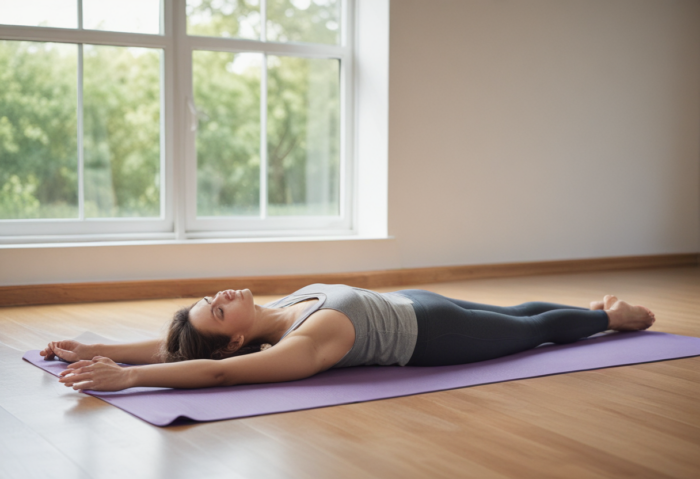
Rest: how to really recharge
Rest is not a reward you earn only once everything is done. It is part of training, work and everyday life. When your sleep is broken, your head is foggy and your body isn’t recovering, even the best plan won’t help for long.
A simple truth: better rest makes you calmer, clearer and more resilient. Here you’ll find practical ways to recharge your body and mind without overcomplicating things.
Why does rest really matter?
Many people notice a lack of rest only when things have already gotten out of hand. Getting up in the morning is hard. In your workout, a normal weight feels too heavy. At work, a simple task drags on, and at home every little thing irritates you.
This doesn’t always mean you are lazy or out of shape. Often your body is simply under-recovered. Sleep, calm breaks and setting boundaries help your nervous system settle down. Then your focus improves, your mood stays steadier and you get more out of your training too.
The Estonian winter makes this especially visible. Dark mornings, little daylight and a long workday drain your energy. In summer the problem is different: the calendar fills up with barbecues, trips and late evenings. In both cases your body needs a rhythm, not just one long weekend on the couch.
How does rest work in the body?
The strongest foundation of rest is sleep. During sleep, the brain organizes the information collected over the day, muscles recover and the body regulates hormones. If your sleep is short or poor, it starts to affect your appetite, stress tolerance and decision-making.
But rest isn’t only about sleeping. A short break in the middle of the day can help too. If you’ve been in front of a screen for several hours, stand up for a moment, look out the window or take a few calm breaths. It seems like a small thing, but your nervous system gets the signal that there is no danger.
So what actually happens? Your body shifts from a state of tension into recovery. Your heart rate settles, your thoughts become clearer and muscle tension may decrease.
Rest in everyday life: what to do?
Start with sleep. Make your bedroom as dark, cool and quiet as possible. Go to bed at roughly the same time on weekends too. If your schedule shifts by two to three hours, your body can’t tell when it’s time to wind down.
It’s worth putting screens aside earlier in the evening. Not because your phone is the enemy, but because endless scrolling keeps your brain working. If you want to unwind with something light, choose an activity that won’t pull you in for hours. Some people read, listen to calm music or stretch. For others, moderate entertainment, such as the vivatbet app, can be a way to take their mind off things. The key is the limit: once it starts pushing back your sleep, it is no longer rest.
During the day, use small breaks. If you work at a computer, stand up every so often. Do a few shoulder rolls, walk to the kitchen for some water or look into the distance for 20 seconds. Your eyes and back will thank you.
Movement can also help you recover. A calm walk, light yoga or a short stretching round doesn’t have to be a workout. It can be a way to let go of tension in your body. It works especially well after long periods of sitting or a hard workday.
Practical signs: is your rest working?
Good rest doesn’t mean you’re full of energy all the time. Life doesn’t work that way. But you should notice that mornings are a little easier, your mood doesn’t swing as sharply and training doesn’t feel like a fight every time.
Look at three signs. First: do you fall asleep at a reasonable time in the evening? Second: can you focus during the day without constantly needing coffee? Third: do you recover from a regular workout in one to two days? If the answer is often no, it’s worth revisiting your rest plan.
Setting boundaries is just as important here as sleep. Sometimes say no. Put an end to the workday. Don’t turn every free moment into a new obligation. Honestly, for many people this is harder than stretching or going to bed earlier, but the impact is big.
FAQ: rest and recovery
Can one long weekend make up for lost sleep?
It helps a little, but it doesn’t replace regular sleep. Your body recovers better when your rhythm is stable most of the week.
Is active rest better than lying on the couch?
It depends on your fatigue. If your body is exhausted, a calm evening may be the right choice. If you are mentally tense, a light walk may help more.
When should you worry about your rest?
If fatigue lasts for weeks, your sleep doesn’t improve and everyday things become hard, it’s worth talking to your family doctor or another specialist.
Come work out! ArtGym