Pea protein and rice protein on a plant-based diet
Pea protein is a simple way to get plant-based protein when milk, eggs or whey don’t fit your menu. Together with rice protein, it gives vegans, vegetarians and anyone who trains with a sensitive stomach a practical option that you can blend into a smoothie, stir into porridge or add to a post-workout drink.
Why are pea protein and rice protein worth a look?
If you’ve ever stood in front of a shelf of protein powders, you know the feeling: one tub promises fast recovery, another a clean ingredient list, a third seems to suit everyone. The real question is much more down-to-earth. Does this protein suit your digestion, your food preferences and your daily rhythm?
CocoVi’s organic-quality rice and pea proteins came on the market with exactly this in mind: to offer a plant-based protein source for people who don’t want to or can’t use dairy-based protein blends. They suit vegans and vegetarians, but also those who are sensitive to milk, eggs or another common protein source.
A simple truth: protein powder won’t do your training for you. What it can do is help you cover your protein intake on days when regular food falls short. For example, a hectic workday, an evening workout or a morning when a proper meal gets pushed back.
How does pea protein work in the body?
Organic-quality pea protein powder is made from yellow field peas. According to the original description, it contains 80% protein and all 8 essential amino acids. These two facts make pea protein a strong candidate for anyone looking for plant-based protein who doesn’t want a dairy-based powder.
Pea protein is described as a hypoallergenic protein powder. In plain terms, compared with many common protein sources such as milk and eggs, it less often causes allergies or hypersensitivity. That doesn’t mean it suits everyone automatically. If you have a specific food allergy, it’s always worth checking the ingredients carefully.
Rice protein complements this in the same direction. Organic-quality rice protein is a plant-based protein powder free of preservatives and additives. It is fermented, unflavored and well absorbed. An unflavored powder gives you more room to play in the kitchen, because you can add it to both sweet and savory food.
When should you use it?
The easiest moment is after a workout, when you want a quick, light source of protein. The powder works just as well in morning porridge or a smoothie. Some people also use it as a snack when there’s too long a gap between lunch and dinner.
Honestly, plant-based protein powder doesn’t have to be only for vegans. If whey bloats your stomach or dairy products don’t agree with you, rice or pea protein may simply be the more comfortable choice.
What to look for in plant-based protein?
The first thing is the ingredient list. The shorter and clearer it is, the easier it is to judge whether the product suits you. CocoVi’s rice protein is free of preservatives and additives, which is a good sign for those who want to keep their supplements as simple as possible.
The second thing is taste. Unflavored protein powder may seem boring at first, but it’s actually a plus. With banana, berries, cocoa or oat flakes, you set the flavor yourself. That way the whole drink doesn’t depend on a sweetener or a strong artificial flavoring.
The third thing is how your stomach feels. Not as an advertising line, but for real. If one protein source causes heaviness, gas or discomfort, there’s no point stubbornly sticking with it. Try a smaller amount, mix the powder in thoroughly and see how your body reacts.
The fourth thing is ease of use. A powder that clumps or whose taste bothers you ends up sitting in the cupboard. If the goal is to support training and recovery, the solution has to fit everyday life, not just a nice-looking plan.
Pea protein and rice protein in a practical menu
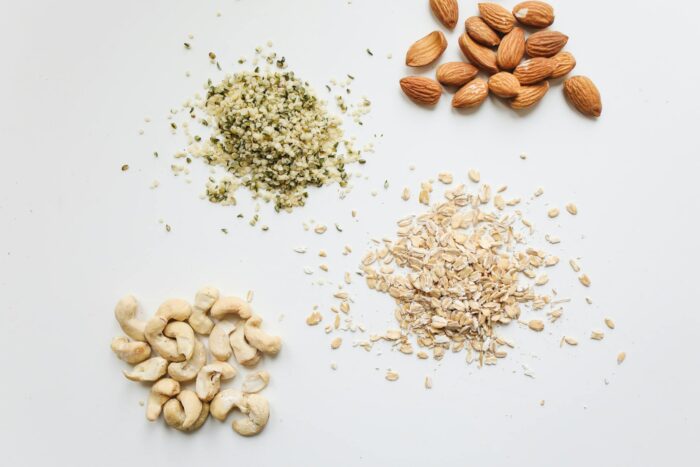
Plant-based protein powder doesn’t have to replace real food. It’s better to treat it as a helper. The bulk should still come from regular food: legumes, grains, nuts, seeds and other protein sources that suit you.
So what actually happens when you add protein powder to your menu? Mostly, it just becomes easier to get enough protein through the day. This is especially useful if you train regularly, eat plant-based or are in a situation where dairy-based blends don’t suit you.
Rice protein and pea protein suit those who are looking for a clean, simple, plant-based option. They aren’t miracle products, but they can be very practical. Especially when you need a quick source of protein without milk and eggs.
FAQ
Is pea protein suitable for vegans?
Yes, pea protein is a plant-based protein source and suits vegans and vegetarians. The same goes for rice protein, as long as the ingredients don’t include animal-derived additives.
Are rice protein and pea protein suitable for people with a sensitive stomach?
They can work well, especially if dairy-based protein blends cause discomfort. That said, every body is different, so start gently and pay attention to how you feel.
Does plant-based protein powder replace a meal?
Usually not. It’s more of an extra option to support your protein intake, not a permanent replacement for a full meal.
Author: Turg.Fitness.ee
Come work out! ArtGym