Protein and the liver: what you really need to know
Protein still raises questions, especially when the talk turns to liver health. The short answer: ordinary protein-rich food or a sensible protein supplement is not the same thing as overdoing it. Let’s calmly look at where the myth comes from and how an athlete can use protein without getting stuck on scare stories.
Why protein and the liver come up at all
In the gym you still hear the same line now and then: “Don’t overdo the protein, you’ll ruin your liver.” It sounds harsh, but usually several different things get lumped together. One thing is eating enough protein so your muscles can recover. Quite another is living for years on a very poor diet, alcohol and virtually no physical activity, and then blaming a single supplement.
The original Fitness.ee weekly tip summed up this myth briefly: no scientific confirmation has been found for the claim that consuming too much protein affects liver function. It also mentioned lipotropic substances such as methionine and choline, whose job is to help limit the buildup of fat in the liver. This idea is worth reading with caution: protein is not a miracle remedy, but it isn’t automatically the liver’s enemy either.
A simple truth: the body needs protein every day. If you train, you need it even more for recovery. The question isn’t whether protein is “good” or “bad”, but what your overall nutrition, health and training load look like.
How protein works in the body
Protein is broken down into amino acids during digestion. They are used to build muscles, enzymes, hormones and many other tissues. When you do a hard workout, small amounts of damage occur in the muscles. Recovery needs building material, and that is what amino acids are.
The liver takes part in metabolism every day. It processes nutrients, helps keep blood sugar steady and plays a role in handling waste products. That doesn’t mean every protein-rich meal is a blow to the liver. For a healthy person, a sensible protein intake is part of ordinary nutrition, not an exceptional load.
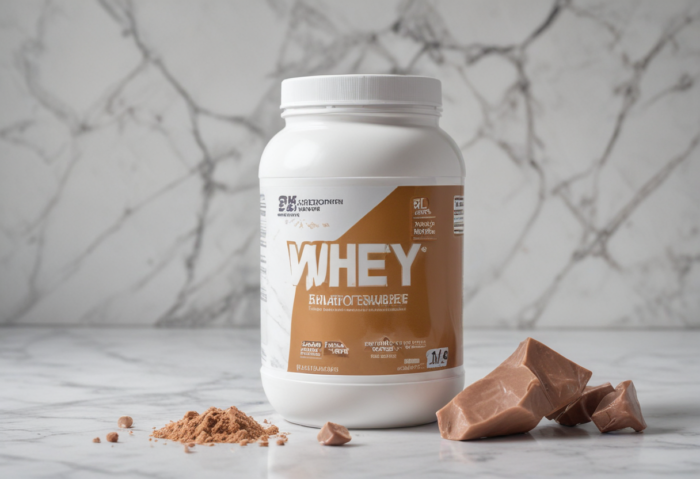
So what actually happens when you take a protein supplement after a workout? Most of the time, you simply get a convenient serving of protein. It can be useful when a proper meal is a long way off or you don’t have much appetite right after training. If you already eat enough eggs, fish, chicken, dairy, legumes or other protein-rich food, the powder doesn’t have to be a must.
Protein in practice: what to watch
Start with ordinary food. If every main meal includes some protein source, the picture is already better. Protein powder comes into play when the day gets hectic or training is frequent. It’s an aid, not the foundation of your diet.
Pay attention to how you feel, too. If your stomach feels heavy, your skin reacts or your digestion gets worse, the cause may be the amount, the sweetener, your tolerance of dairy, or simply drinking the powder too fast. The original text mentioned the product Pro Slow from American, which was sweetened with saccharin and available in strawberry, raspberry and chocolate flavors. Details like these are a good reminder that protein supplements differ a lot in composition.
Don’t make protein your only metric. If your diet is short on vegetables, fluids, sleep and real food, no protein will save you. The same goes for training: recovery doesn’t come from the shaker alone, but from a balance of training load, rest and consistency.
The offers section of the old weekly news spoke, as was typical of the era, about prices: this week Pro Slow cost 200 kroons and the All-Stars Energy sports drink 10 kroons. These are not today’s buying recommendations, but a historical note on how fitness.ee once described the week’s offers.
Protein and the liver: when to be careful
If you have been diagnosed with liver or kidney disease, don’t decide on protein amounts based on a forum or gym talk. In that case, talk to a doctor or a nutrition specialist. Recommendations for a healthy athlete and for a person with a disease are not the same thing.
Be careful, too, if a supplement’s label is confusing. If you can’t tell how much protein, sugar, sweeteners or other substances a serving contains, choose a simpler product or stick to real food. A good choice doesn’t have to be complicated.
Honestly, the most common problem is a different one altogether: people fear protein, yet sleep little, eat haphazardly and train without a plan. There is far more room for improvement there.
FAQ
Does protein damage the liver?
For a healthy person, you can’t say that as a general rule. A sensible protein intake is part of ordinary nutrition. If you have liver disease or another health concern, ask your doctor for advice.
Is protein powder better than regular food?
It doesn’t have to be. Protein powder is convenient, but regular food provides dietary fiber, vitamins and minerals in addition to protein. Use the powder when it genuinely helps make your day easier.
When should you take protein after a workout?
If you can eat a proper meal soon, there’s no need to rush. If your next meal is a long way off, a protein supplement can be a practical way to support recovery.
Author: https://turg.fitness.ee/et
Come and train! ArtGym