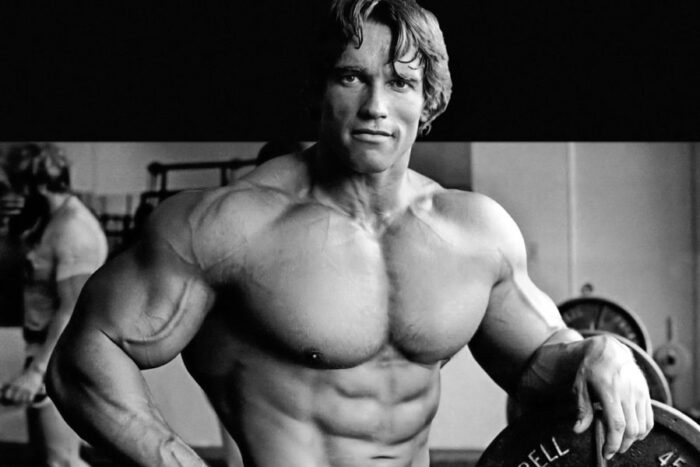
“Genetically superior” sounds like a harsh label, but you see the phenomenon quite often in the gym. Some people seem to grow on any program, while others need to be much more precise about their training, diet and recovery to achieve the same results.
Why do genetic advantages matter for muscle growth?
Your genetic code is one factor that determines how much muscle you can build. That doesn’t mean training isn’t important. It means we don’t all start from the same place.
Vince used the term “genetically superior” to describe people with a high number of muscle cells, good muscle density and a body that responded quickly to training. His point was simple: some people have a physical makeup that gives them a major advantage in bodybuilding.
Vince was by no means a big man. His average weight was around 73kg. That was precisely what made his observation interesting. He looked beyond body weight to how the muscle looked, how quickly the body recovered and how well someone responded to training.
Honestly, this can seem unfair at first. One friend eats haphazardly, only follows part of a program and still looks better. Another weighs their portions, sleeps well and makes slow progress. That difference doesn’t make effort pointless. It simply shows that results don’t come at the same pace for everyone.
How do genetically gifted people respond to training?
Vince said that “genetically superior” people can sometimes train incorrectly and eat poorly yet still make progress. There is no magic involved. Their metabolism, recovery and muscle response to training load may be more efficient.
That doesn’t mean they don’t need to put in the work. Even good genetics need a training load. The difference is that the same training may produce visible results sooner for one person, while another needs more precisely tailored training volume, better technique and a plan that allows more time.
So what actually happens? Muscle cells can increase in size when training provides enough stimulus and the body gets the food and sleep it needs for recovery. If recovery time is too short, even a good program won’t save you. If the program is a muddle, an expensive supplement won’t save you either.
When genetics aren’t your strong suit
That’s when consistency becomes especially important. Not as a punishment, but as a tool. You need to know which exercises suit you, how much volume your body can handle and when to increase the training load. Switching programs too often makes that harder to judge.
The simple truth is that if you aren’t among those blessed with exceptional genetics, your training and nutrition need to be more precise. This doesn’t have to become an obsession. But you do need to get the basics right.
Practical steps when you don’t have a genetic advantage
Start by not comparing your first chapter with someone else’s tenth. In the gym, you see the finished result, not the years behind it, sleep habits, appetite, stress or genetic background. Comparisons can motivate you, but all too often they simply drain you mentally.
- Keep the main exercises in your program long enough to see whether they work.
- Record your weights, reps and how you feel. Memory can be misleading.
- Train your muscles, not your ego. Poor technique shifts the training load away from the target muscles.
- Eat to give your body what it needs to recover and grow.
- Don’t judge progress by the mirror alone. Track strength and training volume too.
If your progress stalls, don’t immediately assume genetics are to blame. First review your sleep, food intake, training volume and exercise technique. Often, the answer is much more mundane than “I just don’t have the genes.”
A genetically gifted person may make progress with a poorer plan. Most people can’t. That’s the main lesson. If nature didn’t give you a major advantage, you need to get ahead through small decisions, one at a time: better technique, a more consistent routine and smarter recovery.
FAQ: genetic advantages and results
Do bad genetics mean you can’t build muscle?
No. They may mean slower progress or a need for a more precise plan. Your muscles can still grow even if nature hasn’t given you the most favorable starting point.
Do genetically gifted people even need to train properly?
Yes, if they want to reach their full potential. Good genetics can give you a fast start, but in the long run, training load, recovery and food still matter.
How can I tell whether genetics are limiting my progress?
Before reaching that conclusion, take an honest look at your training log, sleep, diet and consistency. If you’ve had those in order for a long time, your genetic ceiling may play a greater role, but there’s usually still room to improve the basics.
Source
Author: Daryl Conant ”ConVinced”
Come work out! ArtGym