Biological value of protein in food and training
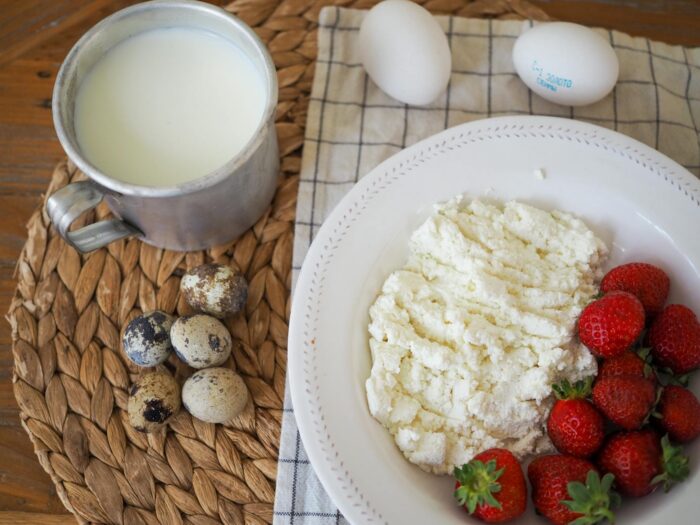
In simple terms, the biological value of protein shows how much of the protein you get from food your body can actually use to build its own tissues. The closer the amino acid profile of a dietary protein is to your body’s needs, the higher this number. Egg protein scores 100 points on the reference scale — and everything else is measured against it.
What is the biological value of protein
The value of the protein in foods is determined mainly by two things: its amino acid composition and how well it is digested in the body. Biologically complete protein is protein that contains all the essential amino acids in the amounts humans need and in the right ratio to one another.
Most often, the biological value of protein is limited by 3 amino acids — methionine, L-tryptophan and lysine. If there is too little of one of them in the food, the body can’t get the full benefit of the rest, no matter how much protein you otherwise eat.
The ratio between essential and nonessential amino acids matters too. When the balance is off, the body starts using nonessential amino acids inefficiently — essentially burning them for energy instead of building muscle tissue.
Animal vs plant-based protein: comparing the biological value of protein
Animal protein simply contains more essential amino acids, in a better ratio. Eating cheese and cottage cheese gives us 3-5 times more essential amino acids than eating potatoes and 6-10 times more than eating bread. Beef protein is also high in essential amino acids. Meat protein contains more of every essential amino acid than wheat protein — wheat is especially low in lysine and threonine.
Plant-based proteins are characterized by shortfalls in one essential amino acid or another. Here is what is missing where:
- all grains — low in lysine and threonine
- corn — also low in L-tryptophan
- potatoes and legumes — low in methionine
That’s why it’s recommended to combine foods on a plant-based diet — for example, beans with rice or bread with hummus. One covers the other’s shortfall, and the overall biological value of the meal effectively goes up.
Besides chemical composition, how well protein is absorbed depends on how digestible it is. What matters most is the link to dietary fiber, particle size, the composition of the food and how it is prepared. In plant-based raw materials, protein is mostly bound to dietary fiber and is therefore harder for digestive enzymes to reach. Food that is very high in dietary fiber and tannins moves through the digestive tract faster, which also hurts absorption.
Heat treatment and the biological value of protein
Amino acid losses from heat treatment vary. Lysine is the least stable — it breaks down most easily. Methionine and cysteine also react fairly easily. This is exactly why the biological value of milk powder is 83-85% of that of whole milk — the loss comes mainly from methionine and cysteine.
Well-done beef tenderloin loses 10% of its biological value. The pattern is clear: the higher the temperature, the greater the loss. When baking and frying, the surface layer of the food reaches 120-135 degrees — that’s where amino acids start to break down actively. When boiling and stewing, the temperature stays around ~100 degrees and the biological value of the protein changes relatively little.
Water is a second channel of loss. Most amino acids dissolve well in water, so they get washed into the cooking liquid. The percentage lost depends on the amount of liquid and the size of the piece of meat or fish. The simple truth: the smaller you cut it and the more water you use, the more is lost.
Practical tips for preserving biological value
Here is what you can actually do in the kitchen so that the protein reaches your plate in as intact a form as possible:
- Cook meat and fish in the largest pieces possible — a smaller surface area means less loss.
- Use as little water as possible. A steamer is ideal in this respect — the food gets cooked without amino acids running out into the liquid.
- Favor lower temperatures. Stewing at ~100 degrees preserves protein better than a scorching-hot pan.
- If you eat plant-based, combine food groups within a meal: grain + legume, nuts + whole-grain bread. That way you raise the biological value of the protein without eating more of it.
- Don’t throw out the cooking water right away — used as a base for soup or sauce, it gives back some of the dissolved amino acids.
Dietary protein quality is in fact assessed through this biological value — how much of the body’s own protein can be synthesized from 100 grams of absorbed dietary protein. The biological value of egg protein is set at 100, and all other dietary proteins are compared against it. The biological value of fish protein is also high, which is why it’s worth keeping a weekly fish day on your menu.
Frequently asked questions
Which food has the highest biological value?
Egg protein is the reference standard and scores 100 points. Dairy, fish and beef come right after it. Among plant foods, soy does well; the other plant-based proteins score lower and need to be combined.
Is the biological value of protein powder lower than that of fresh food?
It depends on the processing. Whey protein isolate stays at a level similar to egg protein, but the protein in heat-treated milk powder loses noticeably, dropping to the 83-85 % mentioned there. If you buy protein powder, check which method was used to make it.
Can a vegetarian get enough complete protein?
Yes, but you need to be more deliberate about it. You don’t have to combine everything within each meal — it’s enough to include a variety of plant-based protein sources in your menu over the course of the day: legumes, grains, nuts and seeds. The amount should be slightly higher, because digestibility is lower than with animal sources.
Find your daily protein here: https://turg.fitness.ee/et
Author: M.M.
Source: WHO – physical activity.
Come work out! ArtGym