Chess and the gym: a stronger mindset for training
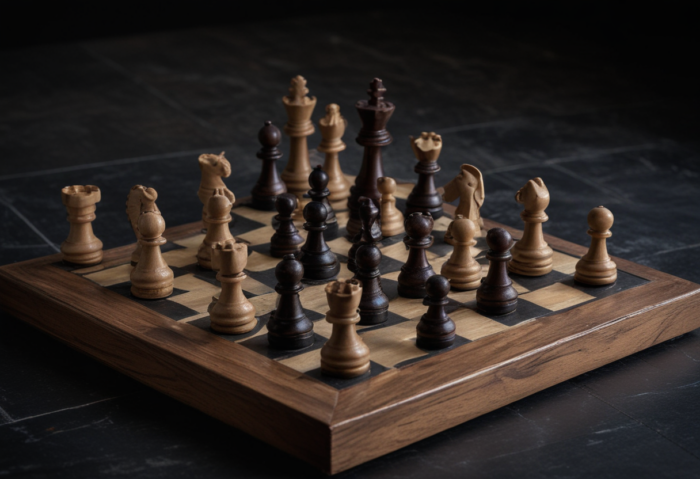
Chess and the gym seem worlds apart at first glance. In one, you sit at a table and think; in the other, you lift weights. In reality, they influence each other more than you might expect.
While the chessboard teaches you patience, the gym teaches you to listen to your body. Good results in both come down to the same things: focus, repetition and the ability to stay calm when you make a small mistake.
Why does chess matter in the gym?
I’ve seen people in the gym drift from one machine to another with seemingly no plan. A bit of bench pressing, then a couple of abdominal exercises, followed by some scrolling on their phone. They technically worked out, but without any clear direction.
Thinking like a chess player helps surprisingly well here. A chess player doesn’t make a move just for the sake of moving a piece. They assess the position, think two or three moves ahead and weigh the risks. The same logic applies to training. Before you add weight to the barbell, ask yourself: will my technique hold up? Will this get me closer to my goal? Or is it just my ego?
This doesn’t mean the gym has to become a chess tournament. The point is simpler: training needs your attention. When you’re mentally present, you have better control of your body, too.
How can chess guide your training?
Chess develops your ability to make decisions calmly. That’s a very practical skill in the gym. Especially when you’ve had a long day, the weather is typically gray for November and you’re leaning more toward staying home.
A good workout doesn’t depend on motivation alone. It depends on having a system. With a plan in place, it’s easier to get started even when you’re not quite in the mood. In chess, the player who attacks the most doesn’t always win. Often, the winner is the one who maintains a solid position and avoids a careless mistake. The same goes for the gym.
On squat day, for example, it can be tempting to jump straight into a heavier set. But if your warm-up reveals a stiff hip or you’ve slept poorly, it’s wiser to take a step back. That’s not giving up. It’s a good decision. Chess teaches you that sometimes the best move is a defensive one.
Focus matters, too. When your mind jumps between work emails, messages and your next commitment, your technique suffers. One good set needs your full attention. You don’t need an entire philosophy of life, just focus on the next rep.
Practical tips: fitting chess and workouts into the same week
The biggest risk isn’t that chess will make your workouts worse. It’s the time it takes. When one game drags on, another starts straight after it and the evening slips away, your workout simply doesn’t happen. Honestly, this happens with plenty of hobbies, not just chess.
Give the gym a firm place in your calendar, just as you would a chess club session or an online tournament. If your approach to a workout is “I’ll see if I have time,” you often won’t. When it’s scheduled for a specific day and time, the decision becomes easier.
- Make a brief plan. Write down 4–6 exercises before your workout. More isn’t always better.
- Keep your phone out of reach. If you use it to log your sets, use it only for that. One game of chess during your rest periods can disrupt the rhythm of your workout.
- Use your rest periods wisely. Breathe, check your technique and think about your next set. Don’t turn every break into a mini tournament.
- Train your endurance, too. Sitting for long periods makes your body stiff. Walking, cycling or light cardio helps keep your back and hips feeling fresh.
If you play a lot of chess, pay attention to your posture, too. Your neck, shoulders and lower back will soon let you know when you’ve been sitting in the same position for hours. Strength training can help here, particularly exercises that strengthen your back, glutes and core muscles.
Chess as mental training
It’s a simple truth: your body and mind don’t work in isolation. When you’re stressed, short on sleep and irritable, working out is harder. With a clearer head, it’s easier to push yourself while staying in control.
Chess can be a good way to unwind, but only if it doesn’t become another source of stress. If every loss ruins your evening, it’s worth changing your outlook. The same applies in the gym. One poor workout doesn’t mean you’ve lost your fitness. One bad game doesn’t mean you can’t play.
The best combination is a calm mind and consistent physical effort. Chess teaches you to see the bigger picture. The gym teaches you that progress comes through repetition. Together, they offer a pretty good formula: think clearly, move regularly and don’t burn yourself out.
FAQ: chess and the gym
Can chess improve your results in the gym?
Indirectly, yes. Chess can help you focus, be patient and stick to a plan. These qualities improve the quality of your training, although building muscle ultimately still takes consistent effort.
Can a long chess game interfere with recovery?
It can if it cuts into your sleep or keeps your body in a fixed position for too long. Take breaks, move around between stretches of play and don’t let late-night games eat into your sleep.
How can you fit chess and training into a busy week?
Set aside a specific time for each. Two or three well-planned strength training workouts a week are better than a vague plan that gets derailed whenever a game runs long.
Edited by: Arnold Tokko
Come work out! ArtGym