Coaches’ Day and coaching qualifications in Estonia
Coaches’ Day on 25 September is a reminder of how much Estonian sport depends on the people who turn up every week at the gym, stadium, pool or mat. This article briefly explains why coaches’ work matters, how the coaching qualification system helps maintain trust and what you can check yourself as a parent or recreational athlete.
Why Coaches’ Day matters in Estonia
When a child attends their first training session, what often stays with them is the coach’s voice rather than an exercise. Did anyone notice them? Was a mistake met with a calm explanation? Alongside winning, were they taught how to cope with losing? Small moments like these are what make coaching more than simply working through a timetable.
Estonia has around 4200 qualified coaches and sports teachers with certificates of competence. A large proportion work with children and young people. They teach more than how to throw a ball, lift with proper technique or run with good form. They teach people to arrive on time, be considerate of others, make an effort even when they do not feel like it and be gracious in victory.
That sounds straightforward, but it does not happen in every training session. A good coach creates an environment where making an effort is normal and making mistakes is nothing to be ashamed of.
Estonia’s coaching community is relatively young. According to the original announcement, 75.9% of Estonian coaches are under 50. The median age is 39 and the average age is 41. Women account for 45% of coaches and men for 55%. These figures show that coaching is a broad and vibrant part of Estonian sport, rather than a narrow niche.
How coaching qualifications help maintain trust
The truth is that not every parent knows what a coaching qualification means. Training sessions are often chosen because they are close to home, recommended by a friend or held at a convenient time. These are understandable reasons. Still, it is worth checking whether the coach holds a qualification and at what level.
A coaching qualification does not automatically make someone a good person, but it does provide a clearer framework. Applying for and renewing a qualification requires knowledge, experience and continuing professional development. This helps distinguish casual instruction from work backed by accountability.
Interest in information about the coaching profession has grown, although questions of pay and working conditions will not be resolved overnight. Many coaches work evenings and weekends and travel to competitions. This is the unseen side of the job, which is not always apparent from the stands.
The updated treenerikutse.ee website aims to make this world easier to navigate. Coaches can check the current status of their qualification, find information on applying and renewing, and access essential guidance without having to search across several different places.
Coaches’ Day and practical checks
So what should you actually do if you want to know whether your coach or your child’s coach holds a qualification? The simplest option is to use the qualification check. This does not have to be an awkward question. On the contrary, a professional coach understands why a parent or recreational athlete would want to know.
- Check the coach’s qualification. This gives you confidence that the coach is registered in the system and that their competence is documented.
- Observe how the coach communicates. A good coach explains, listens and sets boundaries. Shouting is not the same as having high expectations.
- Ask about the purpose of the training session. For children, every session should not feel like a competition final. Development takes time.
- Pay attention to safety. Warm-ups, technique and recovery are more than just talking points. They prevent injuries.
The new website also has a section on professional development courses. Among its resources is an educational video on preventing the abuse of children and young people in sport. This is an uncomfortable subject, but a necessary one. A safe training environment means more than a floor that is not slippery. It also means that young athletes do not have to fear humiliation, pressure or inappropriate behavior.
What Coaches’ Day offers coaches themselves
Coaches’ Day should be more than one polite congratulatory message on Facebook. It could be a moment for coaches to pause and reflect on their work. What is going well? Where has fatigue crept in? What professional development would really help, beyond simply earning credits toward a qualification?
Early autumn is a good time for this. In September, sports clubs fill with newcomers, children’s groups are organized and recreational athletes look to get back into a routine after summer. This is when a coach’s influence is particularly strong. The first month can determine whether someone stays active or drifts away again.
It is a simple truth: a good coach builds more than muscle and endurance. They build a habit. That habit can stay with someone for years, and in some cases for a lifetime.
Happy Coaches’ Day to all the coaches who keep doing this work consistently, even when the gym is noisy, the weather is gray and they have to help others find motivation before finding their own.
Coaches’ Day: FAQ
When is International Coaches’ Day?
International Coaches’ Day is celebrated on 25 September. In Estonia, it is a good opportunity to recognize coaches who work with children, young people, recreational athletes and elite athletes.
Where can you check a coach’s qualifications?
You can find information about coaching qualifications on treenerikutse.ee. The website is intended for coaches, parents and anyone else interested.
Why should you check a coach’s qualifications as a parent?
Because a coach’s work often involves a child’s development, confidence and sense of safety. A qualification does not replace your own vigilance, but it gives you another important point to check.
Liisa Roos
Chief Specialist in Coaching Qualifications
liisa@spordiinfo.ee
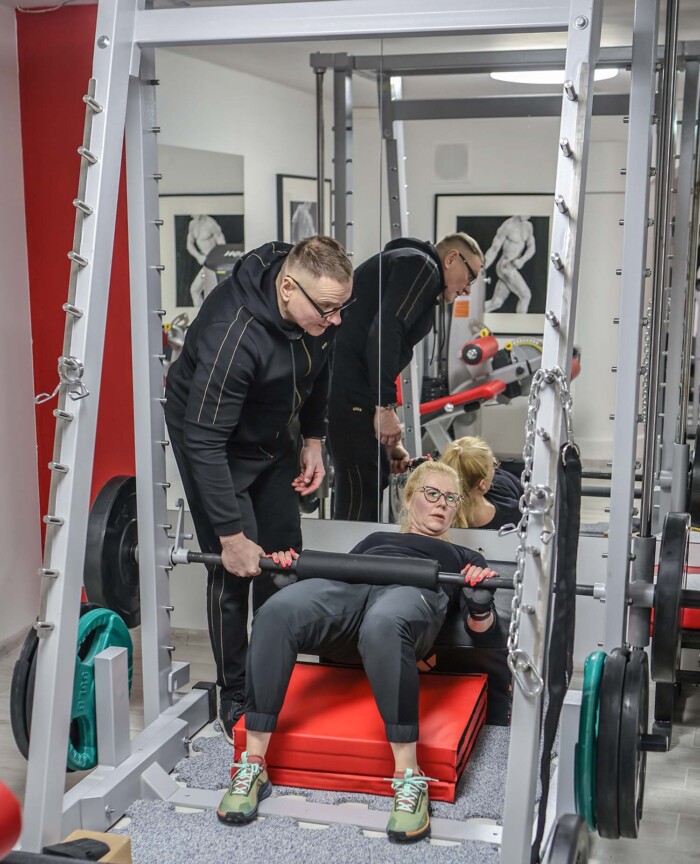
Illustrative photo: Mati Hiis
Come and work out! ArtGym