
In short:
- Regular aerobic training increases hippocampal volume and improves memory (Erickson et al., 2011).
- Physical activity raises cognitive performance in adults of all ages (Northey et al., 2018).
- The WHO recommends that adults get at least 150–300 minutes of moderate activity per week, which also supports brain health.
- The benefits build up gradually — consistency and sufficient intensity matter, not occasional hard workouts.
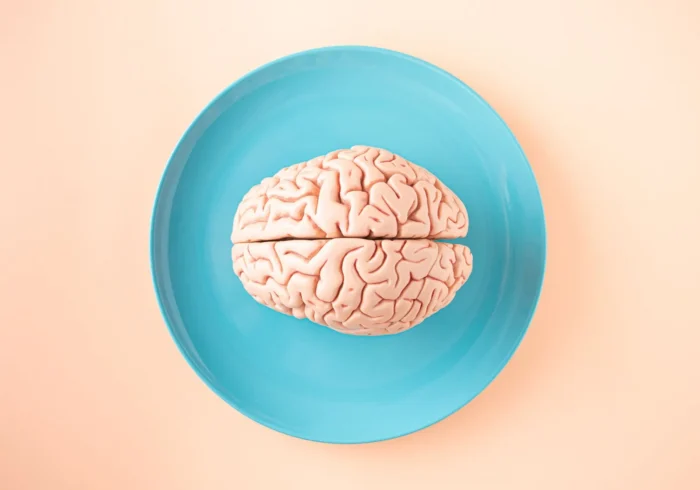
Training and the brain are far more closely connected than many people think: movement doesn’t just strengthen your muscles and heart, it also changes the brain’s structure and function. This overview explains how regular physical activity affects memory, concentration and mental resilience, and what the scientific literature says about it.
How do training and the brain interact?
The link between training and the brain shows up mainly in the hippocampus — the brain region responsible for memory and learning. In one well-known study, a one-year aerobic training program increased the volume of the anterior hippocampus by roughly 2% in older adults and improved spatial memory, whereas in the stretching group the region tended to shrink (Erickson et al., 2011). Proposed mechanisms include increased blood supply, the formation of new neurons and higher levels of growth factors such as BDNF (Voss et al., 2013).
The mental benefits go beyond memory — activity also supports mood and stress tolerance. We’ve covered how training helps you find mental balance in more detail in a separate article.
Does training improve memory and concentration?
Meta-analyses confirm that physical activity measurably improves cognitive abilities. A review of adults over 50 (39 studies) showed that aerobic training, strength training and a combination of the two all improved cognitive function, including memory and attention (Northey et al., 2018). An earlier classic meta-analysis found that the greatest benefits associated with being in good shape appeared mainly in so-called executive functions — planning and attention control (Colcombe and Kramer, 2003).
The dose and difficulty of training matter too. For more on what training intensity is and how to measure it, see our separate article, since sufficient training load appears important for cognitive benefit. You’ll find more general practical tips in our article Training Secrets.
How much activity is needed for brain health?
The World Health Organization recommends that adults get at least 150–300 minutes of moderate-intensity or 75–150 minutes of vigorous-intensity aerobic activity per week, plus strength exercises at least two times a week. These recommendations also support brain and mental health — you can read more in the WHO physical activity guidelines.
Hormones play a role too: regular strength training affects hormone balance, among other things, which we’ve covered in Testosterone and Training. Activity becomes especially important as you age, because it helps maintain both muscle mass and mental sharpness and slows age-related cognitive decline (Hillman et al., 2008).
When do the benefits appear?
A single workout can improve attention and mood on the same day, but structural changes in the brain and lasting improvements in memory develop over weeks and months (Erickson et al., 2011; Voss et al., 2013). Consistency is therefore decisive: moderate but regular activity does more for the brain than occasional bursts of effort.
References
- Erickson KI, Voss MW, Prakash RS et al. (2011). Exercise training increases size of hippocampus and improves memory. Proceedings of the National Academy of Sciences. PMID: 21282661
- Northey JM, Cherbuin N, Pumpa KL et al. (2018). Exercise interventions for cognitive function in adults older than 50: a systematic review with meta-analysis. British Journal of Sports Medicine. PMID: 28438770
- Colcombe S, Kramer AF (2003). Fitness effects on the cognitive function of older adults: a meta-analytic study. Psychological Science. PMID: 12613696
- Voss MW, Vivar C, Kramer AF, van Praag H (2013). Bridging animal and human models of exercise-induced brain plasticity. Trends in Cognitive Sciences. PMID: 23932857
- Hillman CH, Erickson KI, Kramer AF (2008). Be smart, exercise your heart: exercise effects on brain and cognition. Nature Reviews Neuroscience. PMID: 18094706
Frequently asked questions
Is the link between training and brain health scientifically proven?
Yes. Several controlled trials and meta-analyses show that regular physical activity improves memory, attention and executive functions and increases hippocampal volume (Erickson et al., 2011; Northey et al., 2018).
Which type of training is best for the brain?
Aerobic training, strength training and a combination of the two all provide benefits. Meta-analyses recommend a varied approach in which aerobic activity and strength exercises complement each other (Northey et al., 2018).
How quickly does training improve memory?
Attention and mood can improve after just one workout, but lasting structural changes in the brain and improvements in memory typically develop over weeks and months of regular activity (Erickson et al., 2011).
How much physical activity should I get for brain health?
The WHO recommends that adults get at least 150–300 minutes of moderate-intensity or 75–150 minutes of vigorous-intensity aerobic activity per week, plus strength exercises two times a week. This amount supports both body and brain.
Does staying active help prevent age-related memory decline?
The available evidence suggests that regular training slows age-related cognitive decline and supports brain health, although it does not replace medical advice or treatment (Hillman et al., 2008).
Come and work out! ArtGym




