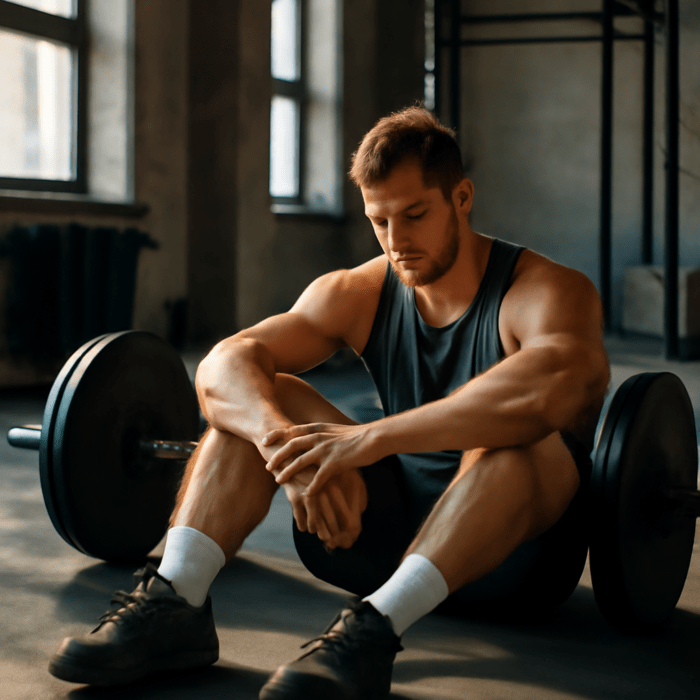
Hard training without proper rest is wasted sweat. Tools for faster recovery don’t have to be complicated—a few choices about food, habits and supplements do most of the work. Here are the ones that have worked well in my own training.
Why tools for faster recovery matter
The alarm goes off at six in the morning, followed by an amino acid drink, coffee and a run. In the evening, it’s off to the gym, where squats leave your legs burning. That’s everyday life for a dedicated athlete. But if your body doesn’t fully recover from those high training volumes, all that effort goes to waste.
Inadequate recovery—whether caused by poor nutrition, stress or overtraining—always leads to the same outcome. Your muscles stay sore for an unusually long time. You feel hungrier. Injuries become more frequent. These are signs that your body isn’t adapting to the stress of training as it should.
The simple truth is that I can train hard, but what’s the point if I don’t recover? That’s exactly why I consider recovery one of the most important aspects of training.
What actually happens in your muscles during training
During strength training, we make our muscles work against resistance. Muscle fibers sustain microtrauma, energy stores are depleted and waste products accumulate. Inflammatory processes begin in the muscles, triggering the release of hormones as the body starts to cope with the stress. This is when satellite cells get to work, repairing and replacing damaged muscle fibers.
After all this has happened, you experience muscle soreness and a temporary loss of strength that can last 24 to 72 hours. This is known as the recovery window, and knowing how to make the most of it is what sets a serious trainee apart from a casual enthusiast.
Muscle recovery has four key factors:
- Repairing muscles and tissues
- Removing waste products and reducing inflammation
- Replenishing energy stores and nutrients
- Restoring communication between the nervous system and muscles
These factors are interconnected. If you neglect recovery by eating irregularly, satellite cells won’t attach to your muscles, and growth simply won’t happen. If inflammation builds up—which happens when you train with high training loads every day without proper rest—muscle tissue can’t adapt. Instead of getting stronger, you get weaker.
Nutrition for faster recovery
Food is the most effective recovery tool because it addresses all four key factors at once. The starting point is simple—correct any nutrient deficiencies.
Vitamin D plays an important role in protein synthesis and muscle recovery. In Estonia, where sunlight doesn’t support vitamin D production from September to April, supplementation is almost essential. Take 2000–5000 IU daily to achieve a blood level of at least 40 ng/ml.
Glutamine is an amino acid the body uses for protein biosynthesis. It helps replenish muscle glycogen stores and reduces soreness. As a supplement, take 10 g after your workout.
Magnesium is a mineral needed for relaxation. It improves muscle recovery by binding to calcium, which accumulates during intense contractions. Take 10 mg for every one kg of body weight, or apply magnesium oil directly to your skin after hard workouts.
Omega-3 fights inflammation—it’s that simple. It supports protein synthesis, speeding up recovery. Fish oil capsules or oily fish a couple of times a week.
Nutrition isn’t just about supplements. Some everyday foods do a lot of the work themselves:
Bilberries, tart cherries and other dark fruits contain phytonutrients that reduce muscle soreness and help remove waste products. In Estonia, you can pick bagfuls of berries in the forest in summer and autumn—frozen berries do the same job in winter.
Cruciferous vegetables such as broccoli, cauliflower and Brussels sprouts help the body get rid of excess estrogen, which slows recovery. (Estrogen is a female sex hormone that is also present in small amounts in men’s bodies.)
High-quality protein—eggs and meat. These are complete protein sources with a high L-leucine content. L-leucine is the most important amino acid for protein synthesis. They also come with creatine, beta-alanine and carnitine. You can’t build muscle without meat.
Almonds and avocado reduce oxidative stress. Avocado also provides magnesium, calcium and essential electrolytes that regulate fluid balance in your muscles.
Habits for faster recovery
Sleep is probably the most common and most important recovery tool. Good sleep benefits the nervous system and balances hormones—no supplement can replace quality sleep.
Listen to music. Wondering what listening to music is supposed to do? Listening to music you enjoy lowers cortisol levels. Less cortisol means your body functions better. Cortisol is powerful, and you shouldn’t underestimate it.
Meditate. You don’t have to sit in a dark room chanting for hours. A couple of minutes is enough — close your eyes and breathe deeply. It helps you manage stress, which in turn speeds up recovery. Switch off for a moment.
Low-intensity cardio. Gentle movement that gets your blood flowing — walking, easy cycling or swimming. Avoid eccentric movements, which only increase muscle soreness. And keep it moderate: too much cardio actually slows recovery. If you hate doing cardio, your stress levels rise — and recovery goes out the window.
Massage or foam rolling. Both help remove waste products from muscle cells. I’m lazy about this myself, but when I occasionally give myself a thorough foam rolling session, I feel completely different. I’ve also noticed improvements in strength in subsequent workouts.
Supplements for faster recovery
Supplements are there to speed up recovery and reduce muscle soreness. Here are some less conventional options that I’ve used myself and found helpful.
Turmeric is an Indian spice that speeds up cell repair and reduces inflammation. I add it to meat dishes and rice, and sometimes to my morning porridge.
Taurine improves fluid uptake by muscle fibers and protects against oxidative stress. It helps you sleep better. Take 1–3 g a day for relaxation and better recovery.
HMB slows protein breakdown and speeds up protein synthesis. It enhances recovery regardless of the type of training and helps keep muscle mass loss in check.
Rhodiola rosea is an adaptogen that increases physical and mental endurance and stress tolerance. It stimulates the central nervous system and affects serotonin, dopamine and noradrenaline levels. It’s available in Estonian pharmacies and is inexpensive — I highly recommend it.
Coffee. Believe it or not, it’s one of the most effective ways to reduce muscle soreness. Caffeine blocks pain receptors in the nervous system and helps restore lost strength. Timing matters — you need to relax after a workout, so a morning coffee and a pre-workout boost make perfect sense, but an evening coffee doesn’t.
Dark chocolate. The antioxidants in chocolate improve blood flow and dilate arteries, which in turn speeds up recovery. It also helps replenish glycogen stores. Choose chocolate with 70%+ cocoa content and eat it in moderation.
FAQ
How long does muscle recovery take after a hard workout?
Typical muscle soreness and temporary strength loss last 24–72 hours after a hard workout. Full recovery depends on intensity, sleep and nutrition — if you’re a beginner, it can take over a week after your first hard leg day.
Should you train through muscle soreness?
If the soreness is mild, yes — a light workout gets your blood flowing and speeds up healing. If the pain is severe, rest the muscle or train a different muscle group. Pain that lasts more than 72 hours or comes on suddenly may indicate an injury.
What is the single most important tool for faster recovery?
Sleep. No supplement, drink or foam roller can replace 7–9 hours of quality sleep. Everything else works better when you’re getting the sleep you need.
There are plenty of ways to speed up recovery, and these are just a selection of the ones I’ve found helpful myself. It’s hard to give definitive answers — we’re all different, and what helps one person may not have the same effect on another. Experiment and find the combination that works for you.
Author: Peep Reinart
Find out more: Turg.Fitness.ee
Come and train! ArtGym