
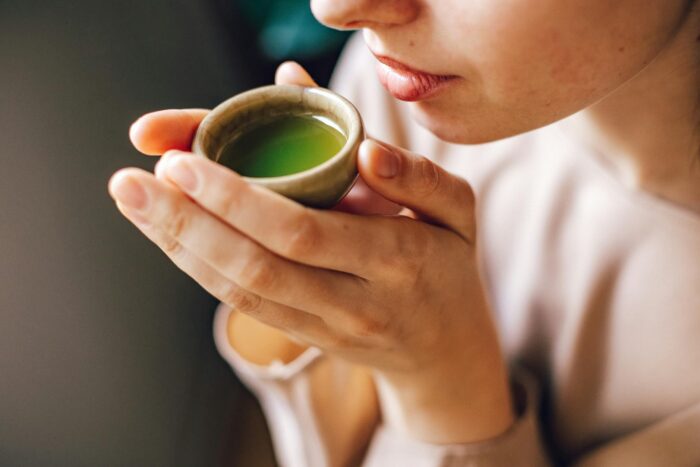
Green tea: a simple drink to pair with your training
Green tea is a simple drink that many people have in the morning instead of coffee, or after a workout to wind down and recover. It won’t work miracles overnight, but it may support fat burning, alertness and general well-being, as long as the rest of your life is more or less in order.
The idea in the old fitness.ee article was short: green tea works a bit like a supplement. Specifically, we’ll look at EGCG, caffeine and how to use this drink sensibly.
Why does green tea matter at all?
Flex once wrote that green tea helps with losing fat, is invigorating and can be good for the liver. The same text also mentioned a lower risk of cancer, cardiovascular disease and even HIV infection. It’s worth being honest here: claims this big can’t be settled in a single paragraph. Green tea can support a healthy lifestyle, but it is not a medicine or a shield.
So what is actually interesting? Green tea contains plant compounds called flavonoids. The best known of them is epigallocatechin gallate, or EGCG. EGCG is the reason green tea comes up so often in the context of sport, body weight and recovery.
EGCG has antioxidant properties. In simple terms, that means it helps the body cope with oxidative stress. A workout is itself a small stress on the body: muscles work, your heart rate rises, energy expenditure goes up. It’s good stress, as long as recovery keeps up with it.
EGCG doesn’t replace sleep, protein or a proper training plan. It can, however, be a small daily habit that suits someone who wants fewer sugary drinks and more control over their daily energy.
How does green tea work in the body?
Green tea’s effect comes mainly from the combination of two things: EGCG and caffeine. Caffeine stimulates the nervous system and can help you focus better during a workout. EGCG is often linked to influencing metabolism and fat storage.
A simple truth: if your diet is constantly over your calorie target, green tea won’t rescue your fat loss. But if you eat sensibly, move regularly and keep portions under control, this drink can be one small helper. Especially when it replaces a sugary drink.
The original text also stated that EGCG interferes with fat storage and speeds up metabolism. This idea should be used with caution: the effect isn’t equally strong for everyone. Some people notice clear alertness from green tea, while others barely notice anything.
It was also mentioned that EGCG prevents cartilage damage. Don’t expect a quick change when it comes to joints. If your knee hurts, you need to look at training load, technique, footwear and recovery. Green tea can be part of an overall healthy pattern, not a stand-alone solution.
What should you watch for when drinking green tea?
DOSE: eight ounces of green tea provides you with about 200 mg of EGCG. The old recommendation was to drink 2-3 cups a day to keep metabolism faster, joints working more smoothly and the body in better shape. In today’s words I’d put it this way: 2-3 cups a day is a sensible amount for many people, as long as the caffeine suits you and your stomach doesn’t object.
Don’t drink strong green tea late in the evening if you have trouble sleeping. Caffeine can harm sleep quality even if you feel you fell asleep quickly. For anyone who trains, sleep is just as important as the sets you do in the gym.
Another thing is taste. If green tea tastes bitter to you, the water is often too hot or the steeping time too long. Try a milder approach: let the water cool a little and don’t leave the tea in the cup indefinitely. That makes it easier to drink regularly.
If you take medication, are pregnant, or have concerns related to your liver, heart or blood pressure, ask a doctor for advice before using larger amounts or extracts. An ordinary cup of tea is one thing. Concentrated capsules and extracts are another.
Green tea and fat loss
Fat loss still starts with energy balance. It sounds boring, but it works. If your daily food intake is under control, EGCG can help more at the habit level: fewer calories from drinks, a bit more alertness and a better rhythm between meals.
Honestly, that is often the most useful part. Not some secret fat-burning effect, but the fact that your hand doesn’t reach for lemonade or a sweet coffee drink every time. Small swaps repeat every day, and their effect adds up.
If you do strength training, keep the focus on the basics: enough protein, steps, consistent training and recovery. Green tea fits in alongside. It doesn’t have to be a big project.
FAQ: green tea
Does green tea burn fat?
It may support fat loss slightly, but only if your nutrition and activity are in order. No tea cancels out excess calories.
When is the best time to drink green tea?
In the morning or during the day. Before a workout it can give a light boost of alertness, but in the evening it’s worth being careful because of the caffeine.
Is green tea suitable for everyone?
A normal, moderate amount suits most people well. If you have a health concern or take medication, don’t experiment with large amounts or extracts on your own.
Find the best selection of green teas here!
Author: joker
Source: WHO – physical activity.
Come and train! ArtGym




