Inna Uit: a strong voice in Estonian bodybuilding
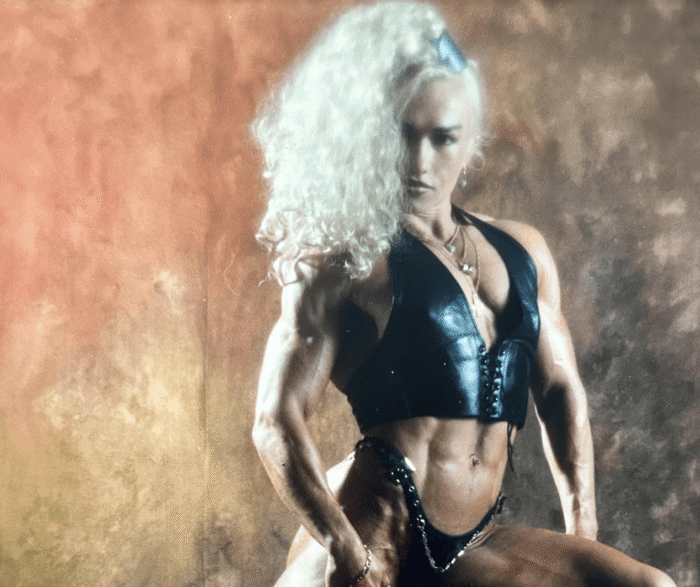
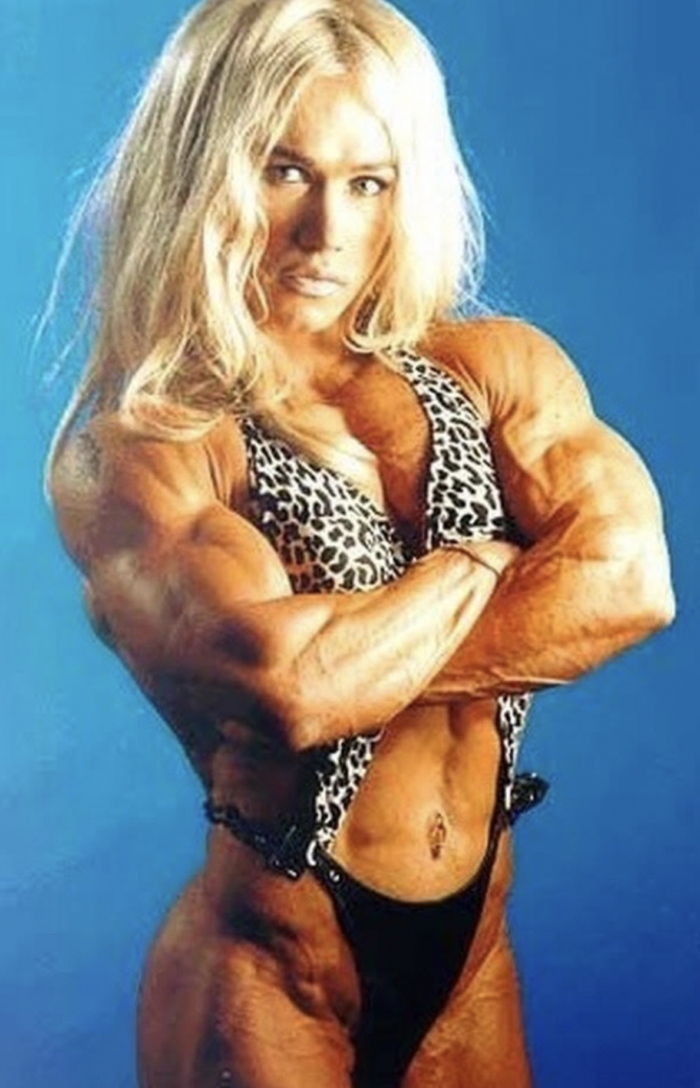
Inna Uit is a name you cannot simply skim past in the history of Estonian bodybuilding. Her journey began in athletics, took her through grueling competition diets and culminated in titles on the world stage.
This is more than a list of medals. It is the story of an athlete who learned to understand her body at a time when information, coaching and modern recovery methods were far less readily available than they are today.
Why Inna Uit matters in Estonian bodybuilding
Looking back at 58, Inna Uit had spent much of her life immersed in sport. She took up athletics at just 9. During her school years, children were often entered in all sorts of competitions: running, swimming, shooting, basketball, volleyball and skiing in winter. It was a different time. Sport was part of everyday life, rather than a niche hobby.
From the age of 9 to 24, she trained in athletics under Leonid Brjuhhov. In the heptathlon, she achieved the second adult sports classification. That background gave her a strong foundation for bodybuilding: discipline, body awareness and the ability to put in sustained work without expecting immediate applause.
Inna took up bodybuilding in the fall of 1989. She was 24 at the time. Initially, she competed in the up to 52 kg weight class. Her height was around 1.60 in the morning and 1.59 later in the day. Those numbers may seem small, but weight is not all that matters on stage. Proportion, conditioning and the ability to bring your physique to the stage at the right moment all count.
Inna Uit and the hard road to stage condition
For the first five years, Inna stayed in the up to 52 kg class. Later, it became clear that her increased muscle mass meant she needed to change classes. In the off-season, her body weight could quickly climb to 70 kilograms. That brought anxiety. Am I too heavy? Will I make weight? Will I be in condition in time?
Frankly, this is where many athletes push themselves too far. Inna recalled one occasion when, on the evening before the weigh-in, she found herself 2.5 kg over the limit. Instead of resting and carbohydrate loading, she went for a run, followed it with a sauna session, and went without food or drink until the next morning.
By her own account, she stepped on stage running on empty. Literally. Her physique only came into condition 3-4 days after the competition, once her body had finally recovered. It is a harsh lesson. Conditioning is about more than the number on the scale. When your body is depleted, dehydrated and exhausted, your muscles will not show the results of months of work on stage.
In 1995, she moved into the up to 57 kg class. That brought a new fear: perhaps she would now look too small beside the other competitors. But the stage provided the answer. Inna’s ambitions and hard work began to translate into results.
Titles that earned a place in Estonian fitness history
Inna Uit’s competition record is, quite simply, impressive. In 1990, she became the overall IFBB Soviet Union champion. In 1995, she won the IFBB European championship title. The IFBB world championship title followed in 1996.
In 1997-1998, she competed at the Jan Tana Classic Pro. Her final competition was the Jan Tana Classic Pro 1998, where she placed 11th in the semifinals. The IFBB Pro division had one weight class, and Inna weighed around 63 kg in peak condition.
She had also reached peak condition for the 1999 Arnold Classic Pro. A week before the competition, however, she ended her competitive career. In the original article, she mentioned that her official invitation had been withheld and only reached her several months later. By then, it no longer mattered to her. Some decisions are made on stage; others are made quietly before you get there.
What Inna Uit teaches us about training and nutrition
Inna’s diet during her bodybuilding years was simple. When bulking, her staples were rice, quark, eggs, vegetables and fruit. There were also homemade pizzas, cakes and ice cream. Yes, ice cream too. Since childhood, her favorite foods had been desserts: ice cream, kringel pastries, layer cakes and the like.
During contest preparation, her diet became much more restricted. Rice, egg whites and root vegetables. In the final month, she added chicken breast twice a day. She ate four meals a day and had 99% protein powder after her workout. Today, that may sound overly monotonous, but the options available back then were different.
So what actually happens when your entire preparation revolves around the number on the scale? Instead of coming into condition, your body can stop responding. Strength fades, your muscles do not fill out, and your physique lacks the definition you had hoped for on stage. Inna’s experience offers a simple message: do not burn away muscle just to hit one number.
Her childhood role model was rhythmic gymnast Olga Korbut. Inna believed that becoming the best required willpower, confidence, determination, self-control and motivation. Those may sound like lofty words, but in bodybuilding they have very practical meaning. You either prepare your meals or you do not. You either go to your workout or you do not. You either listen to your body or pay the price later.
You can find Inna Uit on social media here: Instagram @innauit and Facebook Inna Uit.
Inna Uit: FAQ
When did Inna Uit start bodybuilding?
She started bodybuilding in the fall of 1989, at the age of 24. Before that, her main sport was athletics, particularly the heptathlon.
What were Inna Uit’s biggest titles?
Her most significant achievements include the overall IFBB Soviet Union title in 1990, the IFBB European championship title in 1995 and the IFBB world championship title in 1996.
What can recreational athletes learn from her story?
The most important lesson is that conditioning is about more than low body weight. Training, food, rest and well-timed decisions all need to work together.
Come and train! ArtGym