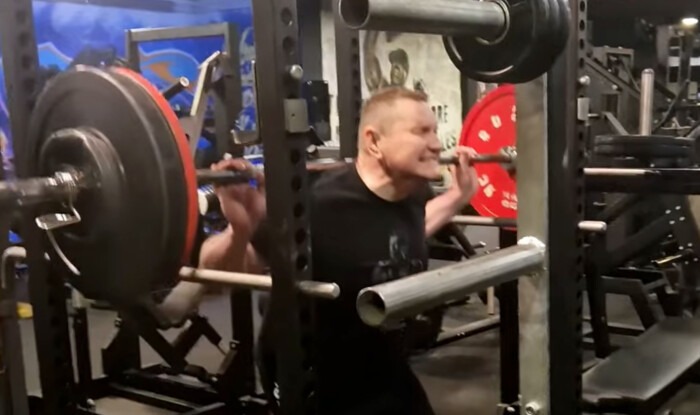
Intermittent fasting (IF) and high-intensity training (HIT) are both popular methods for improving fitness and health. Combining the two can be very effective, but it takes careful planning to get the best results and avoid overloading yourself or running into nutrition-related problems. Here are some tips on how to adapt the HIT training created by Arthur Jones to intermittent fasting:
1. Intermittent fasting and timing your training
- Before the fast ends: If you do a HIT workout in the morning before your eating window opens, make sure you have enough energy for the session. Although training while fasted may increase fat burning, it can be very demanding and tiring.
- During the eating window: Many people find that training during the eating window works well, because it lets you eat energy-providing foods before and after training. This helps you recover and reduces muscle fatigue.
- After the eating window opens: If you do a HIT workout right after your eating window begins, you can refuel quickly to improve performance and recovery.
2. Adjusting your nutrition
- Macronutrient balance: Make sure your diet contains enough protein, fat and carbohydrates to support training and recovery. Protein intake is especially important for maintaining and building muscle mass.
- Nutrients before and after training: If you work out during your eating window, try to have a light meal or snack about 30-60 minutes before training and a recovery meal afterwards.
- Hydration: Drink enough water, especially before and after training, to avoid dehydration.
3. Training intensity and duration
- Timing your sessions: Adjust the intensity of your HIT workouts according to when you train. If you train while fasting, it may make sense to reduce the intensity or duration to avoid excessive exhaustion.
- Rest and recovery: Give your body enough time to recover, especially when you train at high intensity. Fatigue and an excessive training load can lead to injuries and reduce the effectiveness of your training.
4. Listen to your body
- Adaptation period: Combining intermittent fasting with HIT training may require an adaptation period. Listen to your body and make changes to your training and nutrition as needed.
- Monitor your energy levels: If you feel tired or drained of energy, adjust your training schedule or nutrition plan.
5. Additional supplements
- EAAs: Essential amino acids (EAAs) may help reduce muscle breakdown during fasting and support muscle recovery.
- Electrolytes: Adding electrolytes may help maintain fluid balance and prevent cramps, especially if you train intensely and sweat a lot.
Summary
Combining intermittent fasting with HIT training can be very effective, but it requires a deliberate approach to timing your training and nutrition. Pay attention to your body’s signals and be ready to adjust your routine as needed, so you get the best results without overload or health problems.
Come and train! ArtGym