
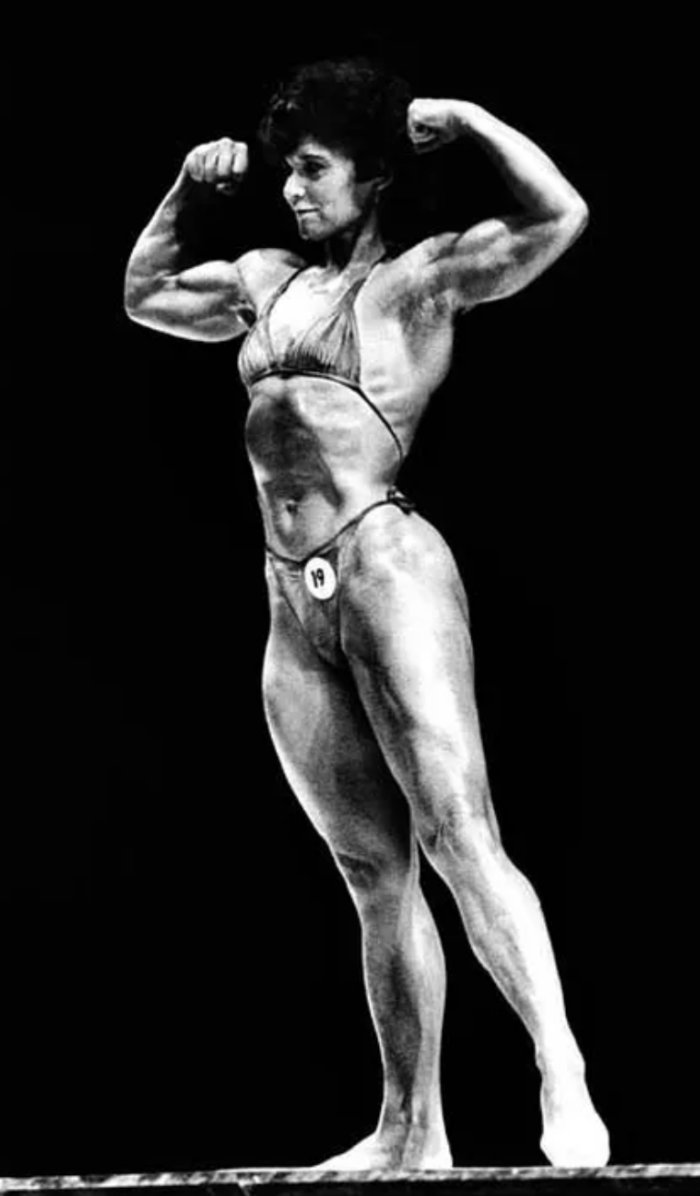
Merike Madar settles into a training groove
Merike Madar is a name that belongs to the older, tougher guard of Estonian bodybuilding. This story is about why autumn turns their thoughts back to the gym, what they think about returning to the stage, and why honest training is still what matters most to them.
Merike Madar and the autumn comeback
Autumn has always gone this way for Merike. When the weather turns cooler and the days get shorter, the gym starts calling again. Not as a campaign, but as a familiar rhythm. Merike’s own take on it is simple: if the work was done clean and natural in the past, it doesn’t disappear over the years.
The year before last, Merike surprised everyone by walking onto the stage at the Estonian Championships in Tallinn. It was no casual little experiment. After a 10-year break, Merike committed to bodybuilding again and, to their own surprise, took second place behind Kuuda. A month of training was all it took, Merike recalls, laughing.
The appeal of this story is simple. There is no big slogan and no staged comeback narrative. There is a person who knows their body, knows the old work, and can tell the difference between real training and shape built half-heartedly. Honestly, in today’s fitness noise, that feels pretty refreshing.
Why Merike Madar matters in Estonian bodybuilding
Madar’s name has probably been better known across the vast Soviet Union. In Leningrad, as the city was called then, Madar took eighth place individually at the European Championships. In the team event, Madar was part of the 1990 champion squad together with Ain Paavo, the winner in the up to 90 kg class. Alongside the Union medals, the European gold is one of the most valuable trophies.
That background gives weight to what is being said now. When someone has seen the stage, the medals, performances abroad and a long break, talk about the gym doesn’t sound like a passing mood. They don’t talk about training as a crash course. They talk about work that the body remembers.
Various competitions also took Merike abroad. One year, for example, was spent working in Italy. Daughter Piret has flown the nest, once adding gymnastic grace to Merike’s routines, and is still studying international business management in Boston for at least another year.
How Merike approaches training
The new autumn turns thoughts back to the gym. Merike says it’s nice to have it like in the old days: coming to work an hour earlier and devoting that time to familiar training. At Flexer, Merike is once again settling into a training wave. It is not a rush toward the championships, but a calm return to a familiar rhythm.
So what actually happens when a veteran goes back to the gym? First, the feeling comes back. The exercises aren’t foreign, the positions aren’t new and the limit of effort is familiar. But that doesn’t mean you can push through everything on sheer strength. After a break, you have to start smart, even if the old form is still in your head.
Merike, whose base comes from gymnastics, is in no rush to get to the championships this autumn. That is an important detail. Getting on stage is not a goal at any cost. Merike promised to show up every five years and playfully adds that there are still three rounds of time left.
Merike Madar, chemicals and honest sport
Merike is firmly against any kind of “chemicals”. Setting themself apart from the so-called “chemists” back then is not a chance remark, but part of how Merike sees sport. If form comes, let it come through work. If a medal comes, let it come in a way that doesn’t have to be explained later.
After the same competition, Merike told SL Õhtuleht that at the time of Merike’s farewell, women competed in three weight categories. If a medal can be won with such half-hearted training, then in Merike’s view the sport is at a low point. The line is sharp, but not malicious. It is more the concern of a veteran competitor about the level of the sport.
What does Merike think of additives and getting caught? It’s not nice, Merike says. Not for the athlete and not for the sport at all. If there is a chance for a retest, it should be used. Look at how it went with Shmigun. But once you’ve landed in trouble, you have to digest it, move on, and be more careful and wiser.
What to take away from this story
A simple truth: training doesn’t always begin with a new plan. Sometimes it begins with a person going back to a place they know. For Merike, that means the gym, calm training and a belief that clean work leaves a mark.
For a younger person who trains, this is a good reminder. Form doesn’t have to come all at once. A break doesn’t erase everything. And if the earlier base was built honestly, the body may respond to it later faster than you expect. At the same time, it doesn’t pay to overestimate the old form in your head. Starting out takes patience.
Merike’s story isn’t only about a comeback. It is also about attitude. Training can be quiet, consistent and without much fuss. Sometimes that is the strongest message.
FAQ
Who is Merike Madar?
Merike Madar is an athlete associated with Estonian bodybuilding, whose achievements include Union medals and a team European gold in the 1990 champion squad.
Why did Merike return to the stage after the break?
Merike had said they would turn up to spook the others every five years. Around the time of a milestone birthday, Merike did take up bodybuilding again and placed second at the Estonian Championships in Tallinn.
What does Merike think about chemicals?
Merike is firmly against any kind of “chemicals”. The message is that sport and athletes suffer when the result doesn’t come from honest work.
Author: Aare Kreilis
Source: WHO – physical activity.
Come and train! ArtGym




