Muscle cramps: causes and home remedies
Muscle cramps strike without warning: a muscle suddenly contracts and the pain is intense right away. Athletes often get them at the end of a workout, writers in their fingers, and at night a cramp in the thumb or calf muscle can wake you up. The causes vary, but most of them are easy to explain.
Why do muscle cramps happen?
The most common cause is a simple one: there isn’t enough fluid in your body. When you sweat, you lose electrolytes along with it, mainly sodium and magnesium. These minerals keep the electrical activity of your muscles under control. When the balance is thrown off, muscles start to contract on their own.
Another common factor is overexertion. A workout that is too long, too high an intensity or too little rest — the muscle tires, coordination between the nervous system and the muscle fiber breaks down, and the result is a cramp.
Less often, but not rarely, medications are to blame. Diuretics — drugs that flush water out of the body — increase potassium loss, which in turn promotes cramps. Constant pressure on a nerve (nerve compression) can also cause irregular muscle contractions.
Cramps during pregnancy and menstruation haven’t been fully explained, but one possible cause is thought to be an increased need for vitamins that isn’t met sufficiently through food.
The most common causes of muscle cramps at a glance
- Dehydration — sweating without drinking enough
- Excessive training or overtraining
- Electrolyte (sodium, magnesium, potassium) imbalance
- Use of diuretics
- Narrowing of the arteries or arteriosclerosis
- Overheating, for example training in hot weather
- Constant pressure on a nerve
What does a doctor check when muscle cramps keep coming back?
If muscle cramps come regularly and the cause isn’t clear, a doctor may refer you for tests. These usually include:
- Blood test — assesses the balance of electrolytes (minerals) in the blood.
- Electromyogram (EMG) — measures muscle tone and how the nerves are working.
- X-ray — needed if changes in the spine that put pressure on a nerve are suspected.
Tests aren’t necessary by default — they come into play when cramps are frequent, severe and can’t be explained by the usual causes.
Home treatment for muscle cramps: what can you do yourself?
When a cramp hits, the first step is simple — don’t tense up or fight it. Stretch the muscle slowly and carefully, massaging it lightly at the same time. A cool compress (an ice pack wrapped in a towel) helps relax the muscle and reduce the pain.
During a workout, drink regularly: half a cup to one cup of water every 15–20 minutes. It’s a simple rule that is surprisingly often ignored. Especially in summer, when you sweat in the heat faster than you realize.
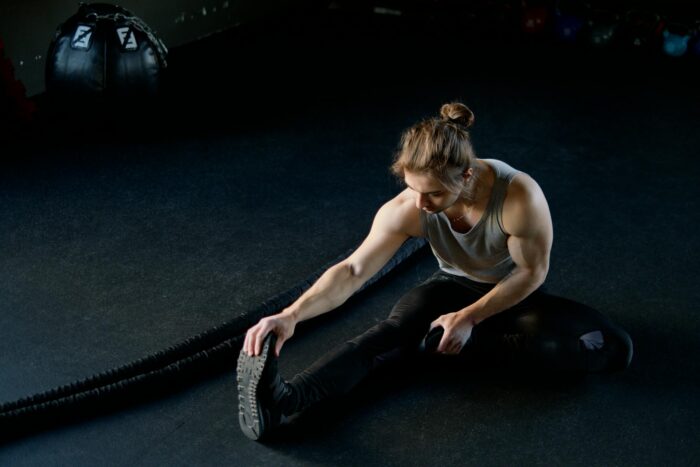
Always stretch after a workout. Muscles that have shortened during training need their length restored gradually — this lowers the risk of cramps in the following hours and at night.
If a doctor has made a diagnosis and the cause is known, they may prescribe muscle relaxants. Don’t go looking for them at the pharmacy on your own — they are prescription drugs and suit only specific conditions.
FAQ about muscle cramps
When should you see a doctor about muscle cramps?
If cramps recur often and the cause isn’t clear, it’s worth seeing a doctor. The same goes if a cramp is especially severe, doesn’t pass within a few minutes, or comes with swelling or weakness in the muscle.
Does magnesium help prevent muscle cramps?
Magnesium is one of the main electrolytes that support normal muscle function. If a deficiency has caused the cramp, then yes — adding magnesium to your diet or taking it as a supplement may help. Before you take it, make sure the need is real.
Why do muscle cramps happen at night?
Night cramps — especially in the calf — are very common. The cause is often too little movement during the day, a poor position during sleep or dehydration. A light stretch in the evening before bed helps many people avoid them.
Author: Marek Morozov
PS Come work out! ArtGym