
Supplements for protecting muscle mass
Supplements won’t build muscle on their own, but used at the right time they can help you hold on to what you’ve already worked hard for. Here is a clear overview of nine substances covered in the translated Body magazine article, seen through Chris Aceto’s lens: when each of them may be useful and how they were used in the original piece.
Translated from Body magazine
Why do supplements matter for protecting muscle mass?
When you’re on a diet, there is one annoying problem: fat should go down, but the muscle you’ve built in the gym should stay. On paper that sounds simple. In practice, a lower calorie intake often means the body starts looking for energy in muscle tissue as well.
Protein, chicken, fish, meat, dairy and protein powders give your muscles their building material. That is only half the story. The other half is anti-catabolic protection, meaning how to reduce the situations in which the body starts breaking muscle down.
A simple truth: the better your muscle mass is preserved, the easier it is to move into an anabolic, or muscle-building, state later. It is from this angle that the nine “muscle heroes” below are presented.
Supplements that help you keep muscle
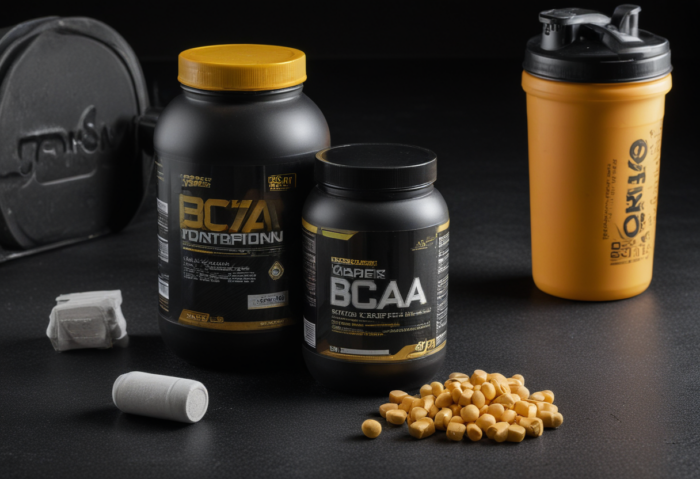
1. Branched-chain amino acids, or BCAA
BCAA include L-leucine, isoleucine and valine. They are especially interesting during a diet, because the body can use them as fuel. That reduces the pressure to burn your own muscle mass. L-leucine has another role as well: it supports insulin release, which helps move protein into the muscles and keep cortisol, the stress hormone that can break muscle down, under control.
How they are used: 5-8 grams before training and another 5-8 grams after training.
2. HMB
HMB is related to L-leucine. The original article describes it as an alternative energy source for working muscles. The idea is simple: during hard training the muscle gets extra support, and the body doesn’t break down its reserves as readily. With HMB it was also emphasized that it doesn’t bring the same ammonia load as some protein-like supplements.
How it is used: 1.5-2 grams before and after training.
3. Arginine and lysine
Arginine is an amino acid whose requirement rises under heavy stress. Hard training and a strict diet fit that description well. Lysine on its own isn’t a big star in the article, but together with arginine the picture improves. Their combined effect was linked to growth hormone release, greater use of fat for energy and better blood flow to the muscles.
How they are used: 3-5 grams of arginine and 3-5 grams of lysine 60 minutes before training.
4. Glutamine
Glutamine is another amino acid that matters during stress. In bodybuilding that makes sense, because heavy training puts real strain on the body. Glutamine was linked to better fluid retention in the muscles, lower cortisol and directing carbohydrates into glycogen. When more carbohydrates go into muscle glycogen stores, there is less room for storing them as fat.
How it is used: try 7-12 grams before and also 7-12 grams after training.
How do you fit supplements into your daily plan?
5. Garlic
Garlic doesn’t sound like a classic gym supplement, but it was in the original text for a reason. Garlic was linked to supporting heart function, but for the bodybuilder the main emphasis was on its hormonal effect. Animal studies mentioned a drop in cortisol when it was combined with casein protein, and other studies reported a rise in testosterone.
How it is used: 450 mg twice a day with protein-containing food.
6. Casein
Casein is a milk protein that is absorbed slowly. That is exactly its strength. The original text stressed that casein takes a couple of hours to reach the bloodstream and can stay there for as long as seven hours. That makes it a good evening protein source, especially before bed, when there is a long gap until the next meal.
How it is used: 40-50 grams before bed.
7. Vitamin C
Vitamin C is a water-soluble antioxidant. Hard training produces more free radicals, which can irritate muscle cells and promote inflammation. The original text also linked vitamin C to helping limit cortisol levels.
How it is used: 1000 mg with food before training.
8. Vitamin E
Vitamin E is a fat-soluble antioxidant. While vitamin C works in water-based environments, vitamin E helps protect cell membranes. The original piece described it as a protective layer around muscle tissue. In short: vitamin E protects muscles.
How to use it: 200-400 mg a day with breakfast.
9. Fenugreek
Fenugreek is a seasoning herb well known in Asian cooking. The original article linked it to inflammation and blood sugar balance. The idea is a practical one: when inflammation and blood sugar are better controlled, the body may produce fewer excess free radicals and less cortisol. That creates a better backdrop for preserving muscle mass.
How to use it: use fenugreek in cooking, or take it as a supplement in an amount equivalent to what you would get from 1200 mg of fenugreek extract a day.
A practical view: which supplements should you choose?
Honestly, there is no point in piling all nine into your basket at once. Start with whatever fits your training and nutrition. During a diet, BCAA, HMB and glutamine are the more logical choices. To cover the overnight protein gap, casein is a clear candidate. Vitamins and garlic are better suited as background support for general recovery and protection.
Also look at what you already eat. If your protein intake is low, no fancy supplement will fix that. If your sleep is poor and your training volume is too high, a powder alone won’t save the situation. Supplements are an extra layer, not the foundation.
FAQ: supplements and protecting muscle mass
Do I need BCAA if I eat a lot of protein?
If your daily protein intake is solid and your meals are in order, BCAA may not be the first thing to buy. During a diet and fasted training, though, it can still help.
Is casein only for bodybuilders?
No. Casein suits anyone who has a longer gap between meals in the evening and wants to keep their protein supply steadier.
Do vitamins build muscle?
Not directly. Vitamin C and vitamin E matter here more on the protection and recovery side, especially with heavy training.
Author: Rosin
Source: https://turg.fitness.ee/et
Come and train! ArtGym




