
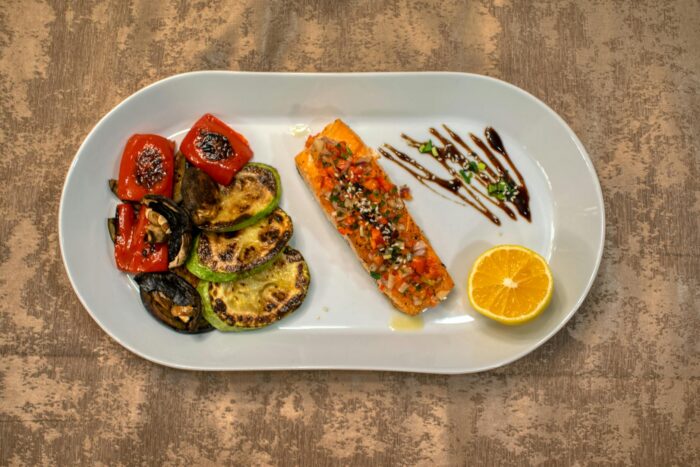
Salmon nutrition and the benefits of fish for training
Salmon’s nutritional value is particularly relevant if you want to eat for strength in the gym and avoid prolonged recovery. Salmon packs protein, healthy fats, vitamins and minerals into a relatively small portion. The simple truth is that if you train, salmon deserves a place in your diet far more often than just on Sunday evenings.
Why does salmon nutrition matter if you train?
Salmon is one of the most nutritionally valuable seafood choices. It contains plenty of easily absorbed protein, the fat-soluble vitamins A, D and E, and vitamin B12. Vitamin D deserves particular attention during Estonia’s winter, when sunlight is scarce and your bones and muscles need support.
Fish also contains magnesium, zinc, selenium and iodine. Magnesium helps muscle and nerve cells function normally. Zinc is involved in immune system function and oxygen metabolism. Selenium protects cells against free radicals. Iodine is important for the thyroid gland; a deficiency can lead to fatigue and a slower metabolism.
Vitamin A supports tissue repair. Vitamins E and B12 play a role in protein metabolism, and vitamin B12 is also needed to produce red blood cells. If you train several times a week, these are no small details. They determine how well your body copes with your training load.
Omega-3: why is fish beneficial?
Fish is an important source of omega-3 fatty acids. Particularly valuable are DHA and EPA, which you get from oily fish such as salmon, mackerel, herring, Baltic herring and sardines. These fats help build and repair cells and support recovery after a workout.
Omega-3 fatty acids also influence inflammatory processes, blood pressure, the immune system and kidney function. The last of these is particularly relevant if you eat a high-protein diet. DHA and EPA are also linked to brain function, cholesterol levels and cardiovascular health.
The general recommendation for a healthy, active adult is to eat fish three times a week, including oily fish such as salmon on one occasion. If your goal is to get omega-3 fats from food, this may sometimes fall short. The general recommendation is to consume 2.5–3 grams of omega-3 fats a day. For example, 125 grams of farmed salmon provides three grams of the omega-3 fats EPA and DHA. The same amount of cod provides just 0.3 grams of these omega-3 fatty acids.
How salmon compares nutritionally with other fish
Comparing fish solely by their calorie content can be misleading. Cod is very lean, tuna is rich in protein, and salmon provides more fat and therefore more energy. If you train, that is no bad thing. What matters is portion size and your diet as a whole.
Tuna
Nutritional value per 100 grams: 138 kcal, 23.3 g protein, 0 g carbohydrate and 4.9 g fat. Tuna can grow to three meters in length and weigh as much as 600 kg. Its protein content is nearly 25 %, making it a good addition to salads or an accompaniment to pasta or rice.
Tuna in water contains only about 1 % fat. In tuna packed in oil, the fat percentage rises by about ten percent. For a better fat profile, choose tuna in water and add rapeseed oil yourself.
Cod
Nutritional value per 100 grams: 75 kcal, 17 g protein, 0 g carbohydrate and 0.7 g fat. Cod is a white fish that is low in fat and high in protein. It can live for over 40 years and is rich in minerals and B vitamins.
Salmon
Nutritional value per 100 grams: 181 kcal, 18.4 g protein, 0 g carbohydrate and 12 g fat. Much of salmon’s calorie content comes from fat, but that is precisely what makes it valuable. Salmon is rich in vitamins A and D and contains as much as 3 grams of long-chain omega-3 fats (EPA and DHA) per 125 grams.
Salmon can be prepared in many ways: hot-smoked, cold-smoked, lightly salted, baked, grilled or eaten raw. The nutritional values given for salmon, tuna and cod are averages for the whole fish. Fish products sold in shops may use different parts, so their final nutritional values can vary.
Salmon nutrition and safe preparation
If you are physically active, you can eat fish often, but vary the species you choose. Some fish may contain higher levels of environmental pollutants or mercury. That is why eating only the same fish day after day is not a sensible approach.
Choose the following often:
- farmed salmon
- tuna and Baltic Sea flounder
- fish caught in the open sea *
- canned tuna, herring and mackerel
* excluding large halibut, swordfish, shark, ray and raw or frozen tuna
Eat the following no more than once a week:
- pike, perch, pike-perch, burbot, eel and flounder
- Baltic herring / herring from the Baltic Sea and the Gulf of Bothnia
- wild salmon and sea trout
- wild trout
You should not eat salmon that has not been cooked or frozen, as it may contain parasites. Freezing salmon below -20 degrees for at least 24 hours or heating it above 70 degrees kills parasites. If you make your own sushi or cold-smoked salmon, freeze the fish thoroughly first. Salting and vinegar marinades can also help, provided there is enough salt and the marinade is strong enough.
Avoid an overly hot pan or grill, as the outer layer of the salmon can oxidize and dry out. Baking is often the best way to prepare salmon served hot: gentler cooking preserves the healthy fats better and makes the protein easier for your body to absorb.
FAQ: salmon nutrition and fish in your diet
Is salmon too high in calories when you are on a diet?
Not necessarily. 100 grams of salmon provides 181 kcal and 12 g of fat, but much of that fat is beneficial omega-3. What matters is your portion size and your overall daily diet.
Can you eat fish every day?
Yes, if you choose a variety of fish species and avoid eating the same type too often. Alternate between oily fish rich in omega-3 fatty acids, leaner fish and plant-based sources of omega-3.
When should you choose cod, tuna or salmon?
Cod is a good choice when you want a lean source of protein. Tuna is convenient and high in protein. Salmon is the best choice when you want protein, vitamin D and EPA/DHA fatty acids all at once.
Translated from Body magazine; Author: Hannah Runsten
Translated by: Greta
Source: Turg.Fitness.ee
Come work out! ArtGym




