
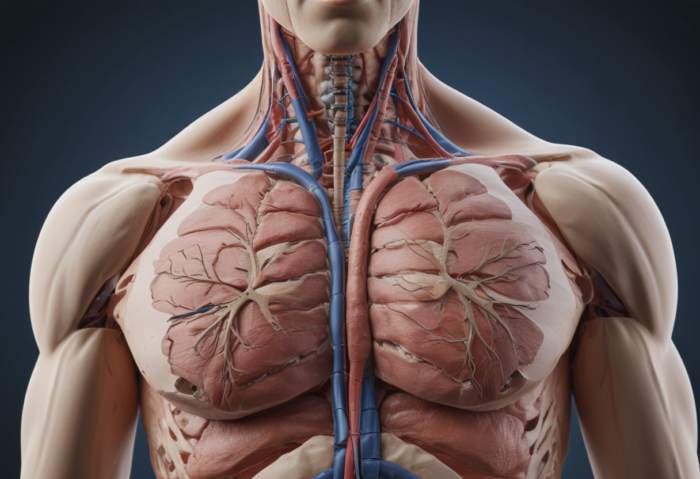
Endocrine glands and hormones in the body
Endocrine glands run processes in the body that we often don’t notice ourselves: sleep, growth, metabolism, blood sugar, the stress response and sexual development. When hormonal balance is thrown off, the change can show up in how you feel, in your body weight, in how your heart works or even in your mood.
Why are endocrine glands so important for the body?
The way the human body functions is very precisely regulated. The nervous system and hormones do this together. A nerve impulse acts quickly, while the effect of hormones is slower but usually lasts longer. That is exactly why we don’t feel every change right away, and often notice it only when sleep, weight, energy or mood have already been different for a while.
Hormones are small chemical compounds produced by the endocrine glands, also known as glands of internal secretion. These glands have no excretory ducts. This means they don’t release their secretion into a separate channel but secrete hormones directly into the blood. To do this, endocrine glands are supplied with a dense network of blood vessels.
Hormones travel through the blood to tissues and organs. There they act only on cells that have a matching receptor. A simple comparison is a lock and key: the hormone is the key, and the cell’s receptor is the lock. If the key fits, an effect occurs. If it doesn’t, the hormone moves on and does nothing in that cell.
Endocrine glands influence a person’s growth, facial shape, the length of the arms and legs, the shape of the pelvis, skin color, the amount of subcutaneous fat, the density of body hair, muscle tone, the sound of the voice and even emotions. This influence begins as early as the first stages of development.
How do endocrine glands and hormones work?
Hormones can be divided by how long they act. Some of them help the body respond to an immediate change, such as a fright or fear. Other hormones control long-term processes such as growth, sexual maturation, metabolism and mineral balance.
- They respond to immediate changes, such as fright and fear.
- They regulate the course of long-term processes.
The pituitary gland works together with the nervous system and controls the function of many other endocrine glands. For example, pituitary hormones set the gonads in motion at the start of puberty. The pituitary gland also synthesizes growth hormone and the hormones needed for the adrenal glands and the thyroid gland to work.
The hormones of the pineal gland regulate a person’s circadian rhythms, wakefulness and sleep. They also affect the synthesis of skin pigments. When sleep is out of order, a person may feel tired even if they have apparently spent enough time in bed.
The thyroid gland is the largest endocrine gland in the human body. Thyroid hormones regulate the body’s metabolism, that is, how quickly the body uses energy. The parathyroid glands are the smallest endocrine glands in the body and regulate calcium and phosphorus metabolism.
The adrenal glands produce several hormones. The best known of them is adrenaline. Adrenaline speeds up the heart rate, raises blood pressure and promotes the use of blood sugar in muscle cells. This is why your heart can suddenly beat faster when you are frightened or making a hard physical effort.
The pancreas produces the hormone insulin. Insulin helps glucose get into cells and promotes the synthesis of glycogen in the liver. The pancreas also produces digestive enzymes. The gonads produce the hormones needed for the development of sex characteristics, as well as sex cells.
Endocrine glands, disorders and medicine
Endocrine glands are important controllers of metabolism. When their function is disturbed, the disorder can reach very different parts of the body. Sometimes the change is slow and insidious. Sometimes the body signals it quite abruptly.
With an overactive thyroid gland, metabolism speeds up and a person may lose weight. Because metabolism is faster than normal, the need for oxygen also increases, and this can cause heart palpitations. With an underactive thyroid gland, the picture is the opposite: metabolism is slower and a person may gain weight.
Iodine is important in thyroid function disorders because iodine is a component of thyroxine, a hormone produced by the thyroid gland. If your thyroid isn’t working properly, it’s not worth trying to diagnose it yourself. The same goes for other hormone-related concerns. A blood test and a doctor’s assessment give a much clearer picture than guesswork.
Disorders of adrenal gland function can cause serious illnesses. Growth hormone disorders can be linked to dwarfism or to giant growth, known as gigantism. Disorders of pancreatic function can cause diabetes. These examples show well how wide-ranging the effects of hormones are.
Many hormone-related diseases are treated with artificially synthesized hormones. Treatment is determined by a doctor, because misuse of hormone preparations can have serious and irreversible consequences. This is not something to experiment with based on a friend’s recommendation or an internet forum.
Today, artificial hormones are also used in contraceptives, also known as birth control pills. The method is based on giving the body a signal with additional hormones that suppresses the further maturation of egg cells. When taking the pills, side effects similar to those of pregnancy may occur, such as nausea, dizziness, mood changes and changes in body weight. Modern preparations are made so that side effects are minimal, and they provide almost 100% effectiveness.
What to watch for with hormones
Honestly, it’s easy to talk about hormones in an overly complicated way. The essentials are straightforward, though: when the body’s regulation changes, so does how you feel. Constant fatigue, sudden weight changes, heart palpitations, trembling hands, intense thirst, sleep problems or unexplained mood swings are signs you shouldn’t ignore for months.
When it comes to training and nutrition, hormones matter too, but you don’t need to overthink them at every step. Sleep, regular meals, moderate exercise and recovery help the body cope better. If symptoms are severe or persist, however, seek medical help. A simple truth: hormone balance isn’t fixed by guesswork.
Endocrine glands: FAQ
What is the difference between an endocrine gland and an ordinary gland?
An endocrine gland has no excretory duct and releases hormones directly into the blood. An ordinary gland may release its secretion through ducts, for example onto the skin or into the digestive tract.
Why isn’t the effect of hormones always felt right away?
Hormones travel in the blood, and their effect often develops more slowly than that of a nerve impulse. On the other hand, they can stay in the blood for longer, until they are broken down.
Can you take hormonal medications on your own?
No. Hormonal medications are used in treatment prescribed by a doctor. Taking them incorrectly can have serious and irreversible consequences.
Author: Marek Morozov
Source: WHO – physical activity.
PS Come and work out! ArtGym




