
Healthy eating: timing and food choices
Healthy eating doesn’t have to start with a complicated menu or chasing calories. First, it’s worth understanding when your body needs energy, which foods keep you full and how to tell whether the direction you’ve chosen is really working.
This is a practical follow-up on the topic of healthy eating: carbohydrates, protein, dietary fiber, dinner and tracking your body weight. No miracle recipes.
Why does healthy eating depend on timing?
The same plateful of food can affect you differently depending on when you eat it. In the morning, at midday, and before and after physical activity, your body needs more readily available energy. This is where carbohydrates have their place.
But if your day is sedentary, you skip your workout and all that awaits you in the evening is the couch, a big portion of pasta or pastries is no longer such a sensible choice. That’s not because carbohydrates are bad. It’s a question of quantity, timing and your actual energy expenditure.
Honestly, this is where many people’s weight worries begin. It isn’t one big dinner that ruins your shape, but the habit of constantly eating more than your body uses. If this goes on for weeks and months, the difference gradually starts to show in your body weight.
How do you spread healthy eating across the day?
A good starting point is simple: place your more carbohydrate-rich meals in the more active part of the day. Morning porridge, buckwheat alongside lunch or rice after a workout make far more sense than a big sugary snack late at night, when your body is preparing for rest.
This doesn’t mean you can’t eat in the evening. You should eat when you’re hungry. The evening plate just ought to be calmer: more protein, vegetables and dietary fiber, and less fast-digesting energy.
Dinner and the last meal of the day
If your goal is to lose or maintain weight, your last meal could be lower in carbohydrates. Not as a punishment, but as a practical choice. At night you don’t need as much energy as during the day, when you’re moving, working and perhaps training.
Good options include cottage cheese with tomato, a tuna and bean salad, a couple of boiled eggs, fish fillet, chicken fillet, a cabbage and carrot salad, or quark with a small apple. These aren’t the only options. They’re simply examples that are easy to start with.
Dietary fiber keeps your pace under control
Dietary fiber is one of the most underrated things in your diet. It helps fill you up, slows down digestion and makes eating calmer. If your plate holds only soft white bread, juice and sweet yogurt, hunger often comes back quickly.
Options rich in dietary fiber include oat flakes, buckwheat, brown rice, whole-grain bread, cabbage, carrots, rutabaga, beans, peas, berries and fruit. In the Estonian autumn and winter, cabbage, carrots and rutabaga are especially welcome: they’re cheap, easy to find and suit almost any hot dish.
Healthy eating and good food choices
Among carbohydrates, it’s best to favor those that provide dietary fiber and minerals as well as energy. Buckwheat, oat flakes, brown rice, whole-grain products, beans, peas and vegetables are better in this respect than candy, pastries or sugary drinks.
Good protein choices while you’re watching your weight include chicken fillet, fish, leaner meat, eggs, cottage cheese and quark.
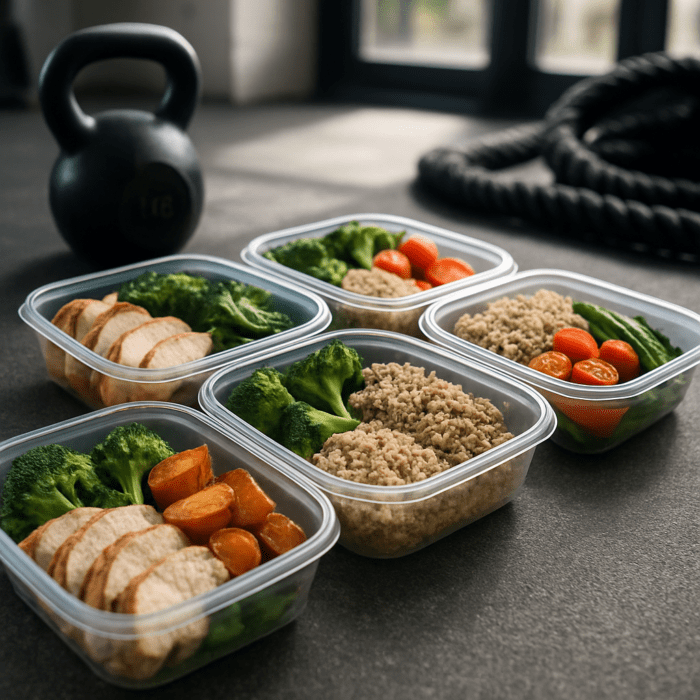
A simple truth: your plate doesn’t have to be perfect, but it should make sense. One part protein, one part vegetables and, as needed, one part carbohydrates. More on an active day, less on a quiet one. This way of thinking works better than worrying about every bite.
What should you track to make your weight move in the right direction?
Not much happens in one day. Even one hour of training doesn’t give you a final answer. A sensible time frame for judging changes is at least one to two weeks.
Weighing yourself in the morning can help, as long as you don’t let a single number spoil your mood. Look at the average direction instead. If your weight goes up and down for a couple of days, that’s normal. Saltier food, a later dinner and poorer sleep can temporarily affect your body weight.
Your reflection in the mirror and how you feel matter too. Do your clothes fit better? Do you have more strength in your workouts? Are your evening cravings smaller? These signs sometimes tell you more than a single number on the scale.
If nothing changes within two weeks, make a small adjustment. Cut down on evening snacking, add more vegetables to your lunch or increase your daily movement. Big overhauls aren’t always necessary. Often one consistent improvement is enough.
FAQ: healthy eating day to day
Does eating carbohydrates in the evening make you fat?
A single carbohydrate-rich evening meal doesn’t make anyone fat. The problem arises when your daily energy intake constantly exceeds what you need and a big portion of easily digestible food is added on top in the evening.
Do you have to cut out carbohydrates to lose weight?
No, you don’t. It makes more sense to choose better sources and better timing: porridge, buckwheat, whole-grain products, legumes and vegetables all work well, especially in the more active part of the day.
How often should you weigh yourself?
If weighing yourself doesn’t bother you, you can do it in the morning and look at the weekly average. If it causes you too much stress, a couple of times a week is enough, together with keeping an eye on your reflection in the mirror and how you feel.
Author: Janar Rückenberg
Come and eat! Armudu
Come and work out! ArtGym




