One beer with friends on Friday evening, a planned workout on Saturday morning — sounds harmless? For gym-goers, alcohol doesn’t show its effect right away. It creeps in through poorer sleep, slower recovery and lost strength. Below we go through what actually happens in the body and how to make choices that don’t wipe out your training.
Why alcohol hurts your results in the gym
Ethanol is a poison to the body, and the liver puts dealing with it ahead of everything else. That means that as long as there is alcohol in your blood, fat burning, glycogen replenishment and protein synthesis get pushed into the background. These are the three processes you train for in the first place.
In the short term, coordination drops, reaction time lengthens and maximal strength declines. In barbell squats or chest presses this isn’t merely uncomfortable — it’s a direct injury risk. Honestly: if you had three or four glasses of wine the evening before, a hard workout the next day is no longer the workout you went there for.
Alcohol and recovery
The biggest hit comes through sleep. Alcohol helps you fall asleep faster, but it breaks up deep sleep and REM sleep — precisely the stages during which growth hormone is released and muscles repair microdamage. The result: you wake up in the morning, but your body hasn’t really been asleep.
On top of that, alcohol dehydrates you. Every gram of pure ethanol makes your kidneys flush out more water than you took in. A dehydrated body = worse muscle soreness, more stiffness and a feeling as if you had trained twice as much.
On the hormonal side: testosterone temporarily drops and cortisol rises. A one-off party doesn’t do real harm yet, but if it’s a routine every weekend, you’ll see it in the mirror after a couple of months — progress stalls despite all your workouts.
Alcohol and nutrition in the gym
One gram of alcohol gives about 7 kcal, and nothing else comes with it — no vitamins, no minerals, no protein. Half a liter of beer is nearly 200 kcal, a gin and tonic around 180. Three drinks over an evening is already a decent meal’s worth of calories, on top of your daily food.
The problem isn’t limited to calories. Alcohol weakens self-regulation, which is exactly why a kebab at one in the morning seems like a genius idea. By morning you’re a thousand calories in the red against your plan — all because of a big pizza and two beers that weren’t supposed to happen at all.
Practical tips
The simple truth: total abstinence isn’t the only solution. But a few rules help keep training a priority:
- Don’t drink for 24 hours before a hard workout. A leg day or a big chest day calls for a fresh body.
- After training, give your body water, protein and carbohydrate first. Have the first drink only once recovery has been kick-started.
- Keep an eye on your weekly total — two to three drinking occasions a week means your body spends half the week in recovery mode dealing with something else instead.
- Drink a glass of water with every alcoholic drink. The morning is much better and a workout the next day is doable.
- In summer, the combination of sauna and beer is especially risky. Both dehydrate you, and together they make your heart work much harder than it should.
If you have a specific goal — for example, 5 kg more muscle mass by spring or beach shape by summer — it’s worth seriously cutting back on alcohol for a couple of months. The results give you the feedback themselves: better lifts, faster recovery, a clearer head in the morning.
FAQ
Does one beer after training ruin all your work?
One beer after training doesn’t erase the workout. It slows recovery and protein synthesis slightly, but it leaves no lasting damage. The problem arises when one beer becomes three, and that in turn becomes a weekly habit.
How many days before a competition or test should you avoid alcohol?
At least 48–72 hours. Sleep quality, hydration and coordination need that long to recover. At the top level, this often means a week earlier.
Is wine a “healthier” choice than spirits?
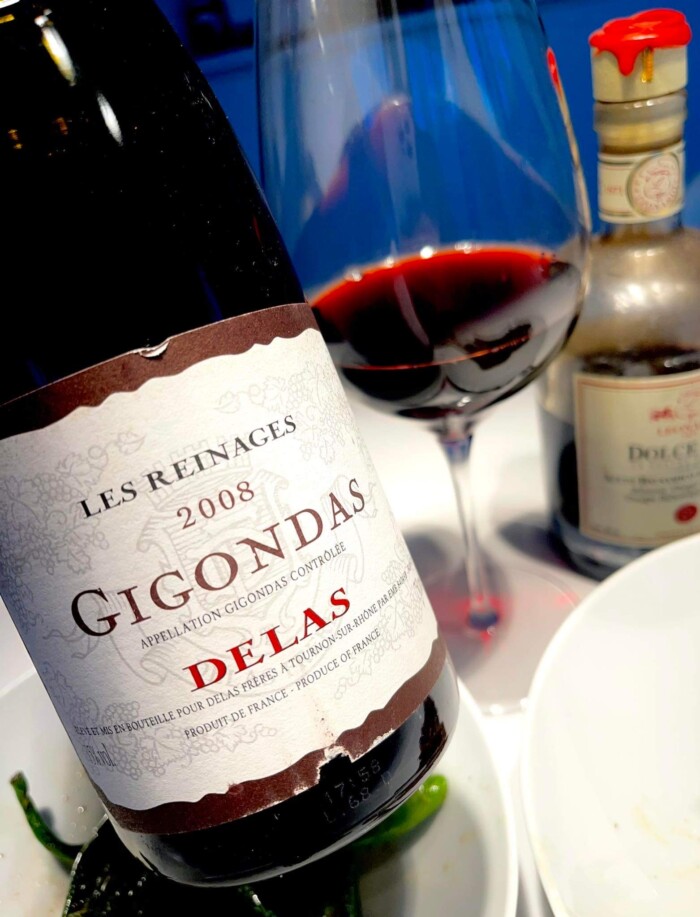
In the context of training it makes no difference — ethanol is ethanol. Wine does contain antioxidants, but their amount is tiny compared with the negative effect on sleep and recovery. In terms of calories, wine is often even denser than beer.
Edited by: Arnold Tokko
Illustrative photo: Ahti Läheb
Come and train! ArtGym