
Energy drink comparison: ingredients and caffeine
Dozens of different cans and bottles sit on the energy drink shelf in Estonian shops. But what is actually inside them? We put together an energy drink comparison, taking a closer look at ingredients, amounts of active compounds, volume and price – so you can choose based on information, not just the label.
What do energy drinks actually contain?
The principle is similar for all of these drinks: stimulate the central nervous system and speed up metabolism. The main active ingredients are caffeine and taurine. Some drinks – Monster and Rocstar – also contain guarana seed extract and zen-zen root extract. Both are natural stimulants that support metabolism and provide extra energy.
All the drinks tested also contained B-group vitamins – mostly B2, B3, B5, B6 and B12 – as well as vitamin C. They don’t make a drink more nutritious, but they give the ingredient list a healthier look.
The carbohydrates mostly come from sugar, glucose and fructose syrup, and sucrose. Metal Pump and Monster Light are the exceptions: both use artificial sweeteners – acesulfame K (Metal Pump) and acesulfame K together with sucralose (Monster Light). As a result, their calorie content is noticeably lower than that of the other drinks.
Caffeine and taurine: the two main active ingredients
When it comes to caffeine content, most of the drinks were quite similar to one another – on average 32 mg of caffeine per 100 ml. The clear exception is Rocstar, which has 40 mg of caffeine per 100 ml. A small difference at first glance, but across a whole 500 ml can it becomes quite noticeable.
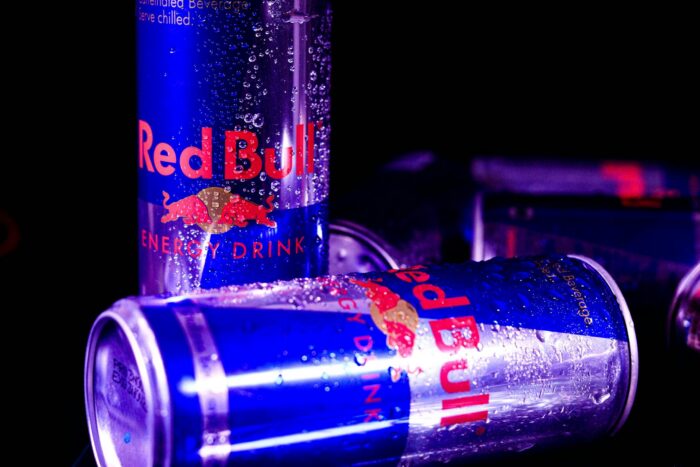
The differences in taurine amounts were much greater. Cheaper drinks such as Starter and Arkta contain only 30 mg of taurine per 100 ml. Rocstar, Monster and Red Bull, on the other hand, offer up to 400 mg of taurine per 100 ml – more than ten times as much. This gap often goes unnoticed, because the ingredient list doesn’t show the amount at a glance.
None of the energy drinks tested contain protein or fat.
Energy drink calories and price
Calorie content varies quite a lot between drinks. Monster Light is the lowest in calories – only 9 kcal per 100 ml. Rocstar is at the other end: 60 kcal per 100 ml. The average energy content is around 50 kcal per 100 ml. Metal Pump was also low in calories – 11 kcal per 100 ml.
In terms of volume, the shelves carry 250 ml, 330 ml and 500 ml versions, both in cans and in bottles. Prices range from 0.44 euros (Arkta) to 1.63 euros (Rocstar) – so the price gap is more than threefold. A lower price doesn’t automatically mean a worse composition, but premium products usually contain considerably larger amounts of taurine and natural extracts.
As for taste, there’s no single recommendation to give. Taste preferences are personal, and it’s worth simply trying them out.
FAQ about energy drinks
Are energy drinks suitable for training?
For a short-term boost, yes – caffeine improves concentration and short-term endurance. However, many drinks contain a lot of sugar, which can cause digestive problems during active training. If you’re looking for a pre-workout stimulant, it’s worth reading the ingredients carefully.
How many energy drinks a day is too many?
The European Food Safety Authority recommends that adults consume no more than 400 mg of caffeine per day. One 500 ml can contains about 160 mg of caffeine on average – so two large cans already bring you close to the recommended limit, especially if you also drink coffee.
Is the composition of a cheaper drink worse?
Not necessarily. Arkta (0.44 €) contains as much caffeine as many pricier drinks. However, the amount of taurine is noticeably lower: Arkta has only 30 mg per 100 ml, compared with 400 mg in Monster and Rocstar.
In summary: energy drinks are good helpers on a busy day when you need a quick extra boost of energy. You shouldn’t rely on them alone – and you shouldn’t overdo it either. As with everything else in life: moderation above all.
Plenty of energy for every day!
Author: Veronika Otter
Source:Turg.Fitness.ee
Come and work out! ArtGym




