Minerals: what athletes should know
Minerals don’t provide calories, but without them your muscles, nerves and metabolism can’t work properly. If your strength fades during workouts, cramps come easily or fatigue drags on, it’s worth looking at the minerals on your plate too.
Why do minerals matter to people who train?
In the gym, people talk a lot about protein, carbohydrates and fats. That’s understandable. They provide energy and building material. But the simple truth is this: vitamins and minerals contain no calories, yet the body uses them to, for example, turn carbohydrates into energy and protein into muscle.
Minerals help maintain fluid balance and support muscle contraction, the nervous system, oxygen transport in the blood and bone strength. If you get too little of them, your body may signal it with fairly everyday symptoms: fatigue, cramps, paleness, weak reflexes or a pounding heart.
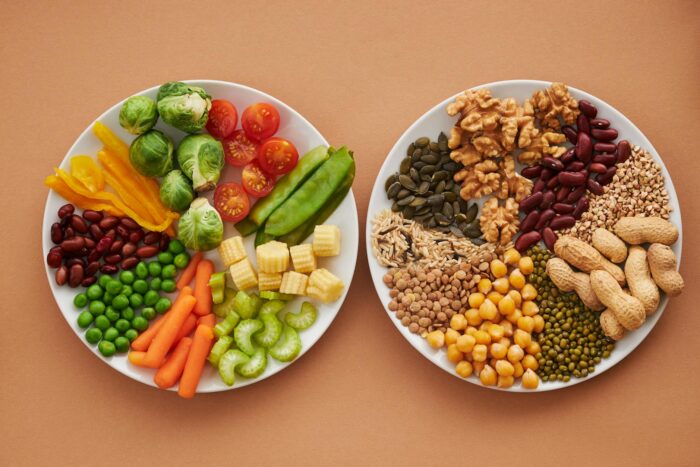
That said, it doesn’t mean every mineral has to come from a tub or bottle. You can get many of them from ordinary food: meat, fish, legumes, nuts, grain products, vegetables and dairy. A supplement is a helper, not the foundation.
The most important minerals and their roles
Iodine is needed for thyroid hormones. These affect the speed of your metabolism, especially fat metabolism and energy production. You get iodine from fish, shellfish and seaweed. A well-known sign of deficiency is goiter, an enlarged thyroid gland. Free iodine is strongly antiseptic and toxic, so food contains organically bound iodine.
Iron is needed to form hemoglobin. Hemoglobin helps transport oxygen in the blood. You can get iron from liver, blood-based foods, meat, grain products and legumes. Iron supplements should be taken together with vitamin C. Absorption is also supported by vitamin B12, folic acid, copper and manganese. Signs of deficiency can include anemia, paleness, fatigue, shortness of breath and brittle nails.
Calcium is known as the mineral of bones and teeth, but it is also important for muscle function during physical activity. Calcium helps blood clot and affects the acid-base balance of the blood. You can get it from, for example, broccoli and Brussels sprouts, fish, sesame seeds, beans, dried apricots, almonds and grain products. A deficiency can cause muscle cramps, insomnia, a pounding heart, brittle nails and osteoporosis.
Potassium helps control the body’s fluid balance, that is, the sodium-potassium pump. It is important for heart function, the nervous system and the kidneys. You get potassium from seeds, leafy vegetables, oranges, sunflower seeds, nuts, bananas, potatoes, fish and shellfish. Alcohol, coffee, soft drinks containing caffeine, commercially produced juices and sugar can upset potassium balance.
Magnesium is needed for the function of nerve and muscle cells. It also takes part in enzyme systems, including the absorption of carbohydrates, fats, proteins, calcium and phosphorus. You get magnesium from green vegetables, fish, meat and grain products. A daily dose of over 20 grams can cause low blood pressure and heart problems. A deficiency can show up as depression, cramps, tremors, a high pulse, muscle pain and heart disorders.
Zinc is needed for the formation of DNA and RNA, protein metabolism, wound healing, prostate function and the breakdown of carbohydrates. It works together with vitamin B6, phosphorus, copper and calcium. Sources of zinc are nuts, barley, shellfish, liver and meat. Signs of deficiency can include white spots on the nails, slow wound healing, slowed growth and anemia.
How to get minerals from food
Start with the most basic thing: eat a varied diet. If your plate has a protein source, vegetables, whole grains or legumes, and a few nuts or seeds every day, your foundation is already better than with random snacking.
On training days, fluid and salt balance matter especially. Sodium is lost with sweat. If you sweat heavily, you need to replace the sodium you lose. With a modern diet, sodium deficiency is rare, but a very long or hot workout can change the situation.
Some minerals need companions to be absorbed better. Iron goes well with vitamin C. With potassium, vitamin B6 and sodium are mentioned. Copper works together with vitamin A, zinc, iron and vitamin C. That doesn’t mean a complicated chart on the fridge. It simply means that a one-sided menu quickly runs thin.
Minerals to be careful with
Not everything on the old list of minerals is a daily dietary recommendation. Barium, boron, lead, silver, strontium, titanium and vanadium are good examples. For some of them, it has been said that the role they play in humans is unclear. Some can be toxic in large amounts. In the case of barium, remember that a large amount of soluble barium salts is highly toxic.
Even a useful mineral can cause problems in excessive amounts. Taking too much iron can cause constipation. A calcium overdose can be followed by constipation and disturbances in the acid-base balance of the blood. A copper overdose causes nausea and is rare. A large amount of zinc causes feeling unwell.
Honestly, the most sensible approach is a simple one: don’t treat fatigue by blindly reaching for a jar of minerals. If symptoms keep coming back, sort out your diet and, if needed, talk to your family doctor or a nutrition counselor.
Minerals: FAQ
Do athletes need more minerals than people who don’t train?
Sometimes, yes, especially when training is long, sweating is heavy or your diet is restricted. Good food is usually enough, but as your training load increases, it’s worth keeping an eye on your intake of magnesium, iron, calcium, potassium and sodium.
Does a mineral deficiency always show clear signs?
Not necessarily. Fatigue, muscle weakness or cramps can also come from lack of sleep, stress or a training program that is too demanding. Minerals are one possible piece of the puzzle, not the only answer.
Should you take every mineral as a supplement?
No. A supplement makes sense when food falls short or when there is a justified need. Taking large amounts blindly can do more harm than good.
Translated from Body magazine; Author: Alan Bergström
Translated by: Greta
Source:Turg.Fitness.ee
Come and train! ArtGym