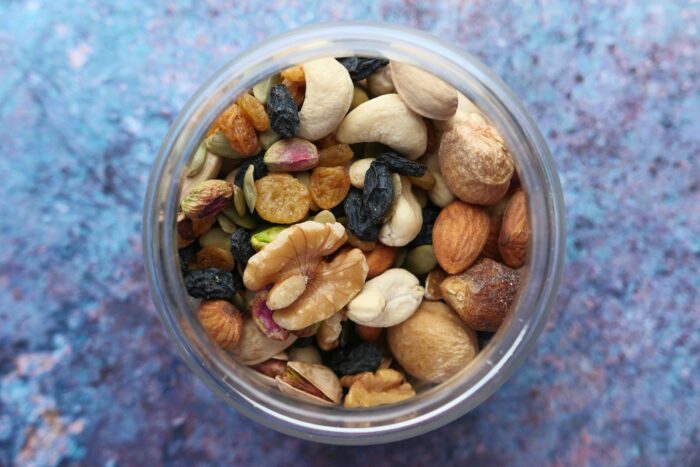
Eating late in the evening before bed
Eating late in the evening won’t knock you out of shape overnight, but it can easily throw off the rhythm of your whole day. If the last meal is too heavy and comes right before sleep, your stomach is still heavy in the morning and the first meal of the day often gets skipped.
Translated by Janar Rückenberg
Why does eating late in the evening matter?
Evening hunger is a familiar thing. The day has been long, you may have done a workout, work or school has worn you out, and the fridge suddenly seems like a very good idea. The question is not only whether to eat or not. What matters is what you eat, how much you eat and how close to bedtime it happens.
The core of the original idea is simple: the last meal of the day affects how your body recovers overnight and how the next morning starts. If your stomach is too full before you get into bed, your sleep may not be as calm. But going to bed with strong hunger can hurt your sleep as well. The best feeling is usually somewhere in the middle: your stomach isn’t rumbling, but there is no heavy, stuffed feeling either.
The old advice to stop eating larger meals at least 2 – 3 hours before bed is practical today too. It doesn’t mean that every bite after eight o’clock is a mistake. Rather, it gives your body time to digest and helps you avoid a situation where the evening meal becomes the biggest meal of the day.
What happens when you eat late in the evening?
Late in the evening your body is already slowing down. Daytime movement, work and training are mostly done. Calorie expenditure drops and your body starts settling into sleep mode. If a big portion of pasta, potatoes, white rice, bread or sweets arrives right then, it is very easy to eat more than you actually need.
An older text said quite harshly that eating in the evening hours promotes fat storage 100%. Today I would put it a bit more calmly: fat doesn’t accumulate just because of the time of day, but when your daily energy intake consistently exceeds what you need. Still, late eating makes that overeating much easier for many people.
The example is a familiar one. If you eat 2 – 3 hearty sandwiches at around 21:30 and go to bed at about 22:30, you may have no appetite in the morning. Your stomach is still full. Breakfast gets skipped, lunch stretches into a big meal and in the evening the same cycle repeats. So the problem isn’t just one evening sandwich, but the rhythm of the whole day.
On growth hormone, the original article made the point that 80% of this hormone is secreted during sleep. It’s worth taking this as a general principle: sleep is recovery time. If you sleep badly, eat heavily at night and wake up sluggish, your form, your motivation to train and your appetite control all suffer.
How can you make late-evening eating smarter?
A simple truth: you don’t need to fear an evening meal. You just need to choose it better. If your workout ends late or the workday drags on, it’s perfectly normal to eat in the evening. The difference is whether your plate holds a calm, protein-rich meal or a big portion of fast carbohydrates and sweets.
A good target is to eat the larger evening meal at least 3 hours before bed. If you get hungry later, you can have something small and simple. For example, plain curd cheese, cottage cheese, an egg, leftover chicken breast, vegetables or a small amount of porridge suit better than pastries and candy.
During the day, it helps a lot if the gaps between meals don’t stretch too long. The original recommendation was to eat smaller portions at intervals of about 2.5 – 3 hours. It doesn’t have to suit everyone exactly, but the idea is a good one: if you keep yourself hungry all day, a bigger appetite and weaker judgment usually arrive in the evening.
If the goal is weight loss from body fat, the plate at the end of the day should be rather simple: a quality protein source, plenty of vegetables and a moderate amount of carbohydrates. If the goal is to build muscle mass, fat-free curd cheese can suit before sleep, since it provides slower-absorbing casein protein. There’s no need to add sugar to it; a few slices of fruit or some berries are enough for flavor.
A practical checklist for evening eating
If a sweet craving hits hard in the evening, don’t start an argument with willpower. Make the choice easier. Keep foods at home that won’t lead you straight into overeating: apples, berries, peaches, plums, grain bran, fresh vegetables and tomato juice. They provide dietary fiber and keep your cravings under better control.
In the evening, avoid especially those foods whose portions tend to grow unnoticed: pasta, potatoes, white rice, bread and sugar-rich snacks. These aren’t forbidden foods in themselves, but at a late hour it’s easy to eat more of them than you planned.
If you sleep long, for example 11 hours, i.e. 20:00 – 07.00, your body may go through several recovery stages during the night. The original text gave the example that after the fifth hour of sleep, at around 01.00, the body starts burning fat considerably faster. The main idea stays the same: sleep isn’t a passive pause. It’s a time when your body is doing its work, and a too-heavy late meal can get in the way of that.
Honestly, you don’t have to turn into a mathematician about evening eating. Start with three questions. Am I actually hungry? Will this food help me sleep better? Will I wake up tomorrow feeling lighter or heavier because of this choice? Often the answer is quite clear.
FAQ: eating late in the evening and before bed
Does eating after 18:00 make you fat?
Not automatically. Body weight is affected by the energy balance of the whole day and week. However, very late and heavy eating can make overeating easier.
What should you eat if your stomach is empty before sleep?
Choose a small, calm meal: curd cheese, cottage cheese, an egg, vegetables or a small portion of porridge. Avoid a big sweet or fatty meal right before getting into bed.
Do you have to go hungry before bed?
No. The goal isn’t to go hungry. A good feeling is a light emptiness in the stomach or a neutral state, not a heavy, stuffed feeling or distracting hunger.
Author: Janar Rückenberg
Come for dinner! ARMUDU
Come and train! ArtGym