
Cheese, butter and quark: a healthy choice
Cheese, butter and quark — three dairy products that have been staples of the Estonian diet for decades. But do you know what really sets them apart and which to choose if you’re concerned about your body weight?
Cheese — a valuable source of protein
The range of cheeses in shops is enormous. Gouda, edam, camembert, processed cheese, cream cheese — different names, different forms. Honestly, from the standpoint of healthy eating, all cheeses are basically the same.
Cheese contains high-quality milk proteins — one of its greatest strengths. It is also high in calcium, which supports healthy bones and teeth. It’s a good everyday food when eaten in sensible amounts.
What should you watch out for with cheese? First, fat. Cheese is a relatively high-fat food. If you’re concerned about your body weight, choose light versions — lower-fat versions of many cheeses (5% and 10%) are now also made in Estonia. These are much better suited to everyday consumption than full-fat varieties.
Second, salt. Eating cheese adds quite a lot of salt to your diet. There’s no real cause for concern — no one eats cheese from morning to night — but it’s still worth keeping an eye on the salt content, especially if you’re sensitive to salt.
Is butter really “butter-yellow death”?
Butter is one of the more controversial dairy products. Its lovely yellow color has even earned it the nickname “butter-yellow death” — a phrase coined by its opponents that sounds more dramatic than the reality.
So what actually happens when you eat butter? Butter’s role is to provide your body with fat-soluble vitamins and dietary energy. The golden rule: if weight isn’t a concern and you haven’t racked up too many years — under 20–30 years old — you can eat butter without worry. As you get older, you shouldn’t overdo it.
Butter eaten in sensible amounts causes no health problems whatsoever. More importantly, good-quality butter is always better than just any margarine. The reason is simple and clear: butter is a natural product. The problem with margarines is that their manufacturing process produces trans fatty acids, which are not good for our health.
Cheese and quark: which is the better source of protein?
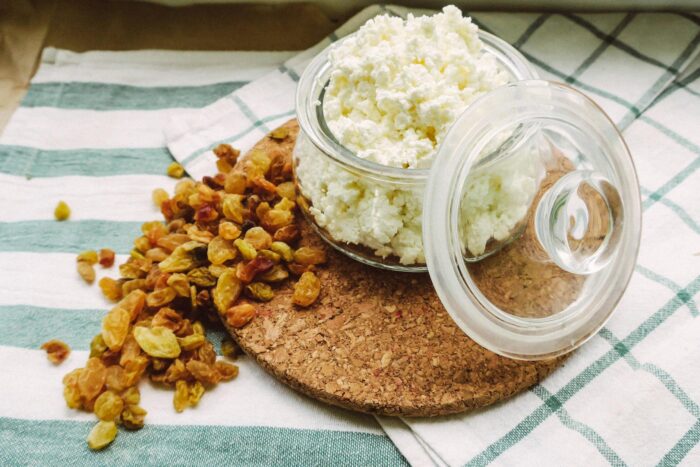
Quark is undoubtedly an excellent food. Quark-making takes the best that milk has to give, and all of it stays in the quark.
If you ranked quark on a scale of animal protein quality — where eggs take the top spot with 100 points — quark would come very close to the top score: 93–95 points. This means your body absorbs the protein in quark exceptionally well. Cheese is also a very good source of protein, but quark comes out ahead in this contest.
The world’s top athletes eat plenty of quark — and the reason is clear. Growing children should eat quark all the time until they reach adulthood. As an adult, constantly eating overly fatty quark isn’t the best choice, but leaner, lower-fat varieties are undoubtedly among the healthiest foods of all.
Quark makes a good evening meal. Quark that isn’t too high in fat also works well for breakfast. Some people don’t like low-fat quark because they find it bland — higher-fat products really do have more flavor, because many flavor compounds are found in milk fat. But it’s easy to make low-fat quark taste good: a spoonful of jam, a little cocoa or another addition will do the trick.
In practice, cheese on bread at breakfast and quark in the evening before bed is a combination that many nutrition-conscious people have followed for a long time.
FAQ
Is cheese a healthy food?
Yes, cheese is a good source of protein and contains plenty of calcium. Its fat and salt content mean it’s best eaten in moderation. Light versions (5% and 10%) are a healthier choice if you’re watching your weight.
Is butter healthier than margarine?
Yes. Butter is a natural product, while margarine contains trans fatty acids produced during processing. Eaten in sensible amounts, butter is the healthier choice.
How often can you eat quark?
You can eat quark every day — lower-fat quark in particular is one of the healthiest foods of all and an excellent source of protein for both children and adults.
Author: Marek Morozov
Source: WHO – physical activity.
Come and work out! ArtGym




