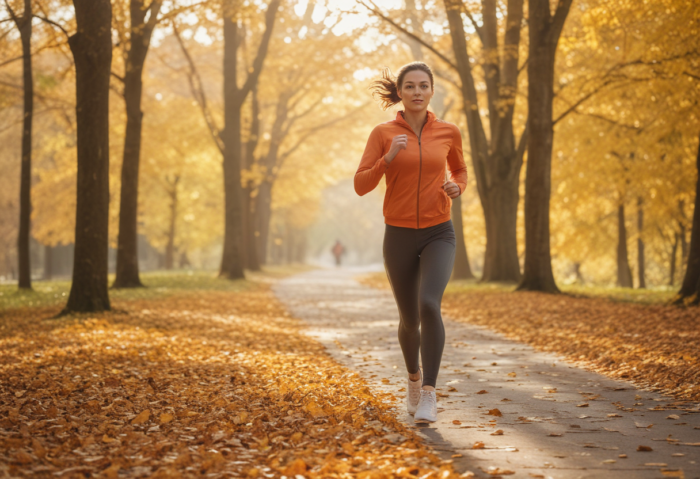
In autumn, everything slowly starts to change. The sun seems reluctant to rise in the morning, the air is dry, and coffee feels more appealing than a glass of water. This is when your body tends to start losing steam — you have less energy, recovery takes longer, and your mood fluctuates. The good news is that you don’t need a complete overhaul. Five simple steps will keep you in shape until winter arrives.
Why your body needs more care in autumn
Estonia’s climate is unforgiving. The air turns dry in late September, the light fades in October, and by November, the working day is over before you get a chance to head outside for a walk. Dwindling daylight affects dopamine and serotonin levels — the very hormones that make you feel like doing anything at all in the morning.
In summer, everything comes naturally: you drink water because it’s hot; you move because it’s light; you sleep well because your body is tired in a good way. In autumn, those natural cues disappear one by one. That’s why it pays to shift your attention — autopilot will no longer see you through.
Water: drink even when you’re not thirsty
Cooler weather makes you feel less thirsty, even though your body still loses fluid — through breathing, training and sauna sessions. Dry indoor air adds to the problem. The trouble is that thirst isn’t a reliable signal in autumn: by the time you feel thirsty, you’re already a couple of hours behind on hydration.
A simple trick: keep a full water bottle beside your desk. If it’s in sight, you’ll drink. If it’s in the kitchen, you won’t. Coffee and energy drinks don’t count — they tend to make you lose fluid instead. One reason water is actually the most important nutrient is simple: without it, no other system works properly.
Protein helps preserve muscle in autumn too
After your thirtieth birthday, muscle mass naturally starts to decline unless your training and nutrition support it. With activity levels already dropping in winter, protein becomes even more important — it preserves what you already have.
The recommended intake is 1.2–1.6 grams of protein per kilogram of body weight per day. How you spread it out matters even more than the total amount: three substantial meals, each with around 30 grams of protein. One big dinner won’t make up for skipping breakfast.
There are plenty of protein sources in Estonia: eggs, cottage cheese, fish, chicken, lentils, beans, Greek yogurt and locally produced dairy products. Combining animal and plant-based protein provides all the amino acids you need — whole-grain porridge with quark and an egg for breakfast is simpler than it sounds.
Sleep and movement: two things you can’t replace
Your muscles recover while you sleep, rather than during your workout. Getting less than seven hours of sleep lowers growth hormone levels, increases your risk of injury and disrupts your appetite — your body starts demanding quick energy and carbohydrates. Sound familiar? That’s what’s behind your late-night trip to the fridge for ice cream.
A regular sleep schedule helps more than a single long night’s sleep. Leave your phone on the kitchen table, dim the lights an hour before bed, and get some daylight by the window first thing in the morning. Boring advice, but it works.
Staying active becomes even more important in autumn. Even 20–30 minutes of walking outdoors — including in the dark — noticeably improves how you feel. Fresh air and natural light reset your circadian rhythm better than any supplement.
Vitamins: vitamin D, iron and zinc in autumn
At Estonia’s latitude, most people’s vitamin D levels drop as early as October. This affects immunity, mood and muscle strength — all at once. Dietary sources of vitamin D include fish, egg yolks and fortified dairy products, but you’ll usually need a supplement too from autumn through spring.
Active women are also often deficient in iron and zinc, with symptoms including fatigue, poor exercise performance and slow recovery. Iron comes from red meat, liver, spinach and legumes. Zinc is found in seeds, nuts and whole grains. One blood test once a year gives you a definite answer — there’s no need to guess.
Frequently asked questions about recovery in autumn
How much water should you drink each day in autumn?
The general recommendation is 30 ml per kilogram of body weight — around 2.1 liters for a 70 kg person. On training days and when you use the sauna, add another half a liter to a liter.
Do you need to take a vitamin D supplement in autumn?
For most people in Estonia, yes, at least from October to March. A blood test determines the exact amount, but 25–50 µg a day is usually a safe range for an adult.
Should you cut back on training in autumn?
No — adjust it. If you’re short on sleep or energy, choose a lower-intensity day instead of a hard workout. The goal is greater consistency rather than doing more.
Find the supplements you need here!
Come work out! ArtGym