
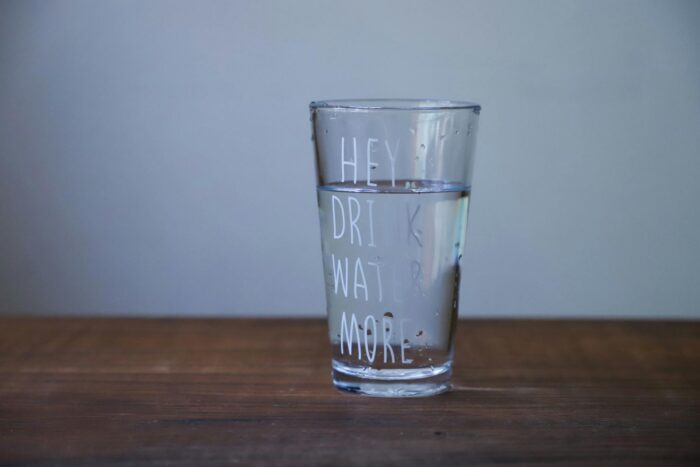
Water makes up about two thirds of our body weight, and every living cell depends on it to work. A person can survive a month or even longer without food, but rarely more than a week without fluids. The simple truth: water is the most important nutrient you need to get into your body every day.
Why water matters for your body
An adult’s body holds 40–50 liters of water. Men have more of it thanks to their muscle tissue, and the amount declines with age. About 40% of the water is inside the cells, and the rest is in the spaces between cells and in the blood.
Blood uses water to carry oxygen and nutrients to the cells and to remove metabolic waste products. Without enough water, food isn’t digested, nutrients aren’t absorbed and the kidneys can’t work. To flush out toxins, at least 300–500 ml of urine has to be excreted per day, no matter how little you drink.
Water balance is regulated mainly by sodium and potassium ions. Sodium binds water, while potassium helps push it out. If you eat a lot of table salt and drink little, the body pulls water out of the cells to lower the sodium level in the extracellular space. That’s why your face is puffy in the morning after a salty dinner.
How water circulates in the body
We get water from drinks, from food and as a by-product of metabolism. We lose it through urine, breath, sweat and undigested food residue. The hotter the weather and the harder the training, the more leaves through sweat.
On average, the daily balance looks roughly like this:
- Drinks: 500–1500 ml in
- Food: 700–1000 ml in
- Metabolism: 250–300 ml in
- Urine: 500–1500 ml out
- Breath: ~350 ml out
- Sweat: 450–900 ml out
- Undigested food residue: ~150 ml out
In total, 1450–2800 ml of water passes through the body every day. Vomiting, diarrhea, fever, hot weather or an intense workout quickly push that amount up. Those are the moments when it’s worth thinking about drinking separately, because thirst often lags a step behind your actual need.
Juices, mineral water and soda
You could start your day with a glass of juice. Estonians eat almost twice as little fruit and berries as their Nordic neighbors, and they also drink considerably less juice. Germans consume more than 40 liters of juice a year on average, Estonians 4–5 liters.
Juice contains vitamins, potassium (which helps flush out excess sodium) and, in varieties with pulp, dietary fiber, which helps keep cholesterol and blood glucose in check. The order of nutritional value is simple: juice with pulp gives you the most, followed by 100% juices (diluted with water from concentrate, with no added sugar allowed). Nectar contains at least 50% juice and juice drink only 10%, and both are sweetened with sugar.
Soda mostly provides “empty” calories. Soft drinks get their color from food dyes and their flavor from essences, and additives are unavoidable. The stimulating effect of cola drinks comes from caffeine. A child’s smaller body weight means that a small amount affects them much more strongly than it does an adult. Drinks with sugar substitutes are likewise not recommended for young children.
Mineral water consumption has doubled over the past ten years, and it has become a trendy drink. Its popularity is for good reason: it provides no energy (200 ml of mineral water = 0 kcal, whereas 330 ml of soft drink ~125 kcal), water high in potassium and low in sodium suits a weight-loss diet, production is strictly controlled and no additives are needed. In places where tap water comes out yellow from rusty pipes, it’s also a practical choice.
FAQ: water and thirst
How much water should you drink per day?
500–1500 ml from drinks is a good target, and the rest comes from food and metabolism. In hot weather and on training days, increase your fluids by 1–2 glasses.
Can you drink too much water?
In theory, yes, but it’s extremely rare. In that case it’s not the water itself that is fatal, but a sodium level that has dropped too low. The ordinary person’s problem is the opposite: we drink too little.
Is mineral water better than tap water?
It depends on the tap water. In an area with good, clean tap water there’s no difference, and it’s cheap and readily available. Mineral water wins where the plumbing is old, or if you deliberately want water that is rich in potassium and low in sodium.
Author: Marek Morozov
PS Get your water from the tap! https://www.tallinnavesi.ee/
PPS Come work out! ArtGym




