Vegetables won’t build muscle on their own, but they help balance your plate. If you eat plenty of meat, eggs, porridge or rice, vegetables add the dietary fiber, vitamins and freshness your gut and body really need.
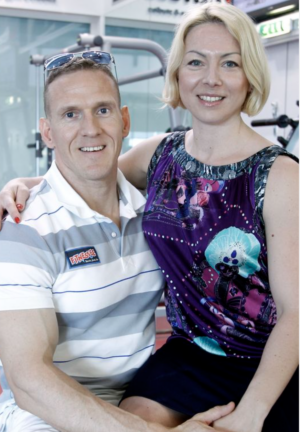
Gustavo Badell’s point was simple: a bodybuilder’s diet doesn’t have to be all chicken and rice. Even when your goal is to build muscle mass or get in shape, vegetables have a firm place in your daily diet.
Why vegetables matter when you train
There’s plenty of talk about protein, carbohydrates and fats in the gym. Understandably so: they supply energy and building blocks. But without anything fresh on your plate, the picture is incomplete.
Vegetables provide dietary fiber, which supports digestion and helps you feel full for longer. That’s especially useful when you’re trying to manage your weight. It’s easier in summer: tomatoes, cucumbers, peppers and lettuce go with almost any meal. Winter sometimes takes a little more planning, but frozen broccoli, cauliflower, spinach and carrots work just as well for everyday meals.
The simple truth is that the less varied your diet, the more likely you are to miss out on something you need. Vegetables don’t have to be fancy. They just have to be there.
How vegetables fit into a bodybuilder’s diet
Many bodybuilders skip vegetables because they don’t provide many calories or much protein. If your goal is to bulk up, that might seem logical. In reality, you don’t have to choose one or the other. Rice, potatoes, meat and fish can stay on the menu, with a generous portion of vegetables alongside them.
Badell emphasized that he ate vegetables at breakfast, too. That might sound strange to some, but there’s nothing extreme about an omelet with spinach, peppers or tomatoes. The same goes for lunch and dinner. If you have chicken breast and buckwheat on your plate, add some broccoli or salad. If you’re eating beef and potatoes, braised cabbage or zucchini makes a good accompaniment.
So what actually happens? You get more food volume without making the meal too high in calories. Your gut has more to work on, digestion runs more smoothly, and you don’t feel hungry again ten minutes after eating.
When to choose starchy vegetables
Not all vegetables play the same role on your plate. Corn, peas, carrots and potatoes provide more carbohydrates than cucumbers, lettuce, zucchini or broccoli, for example. That doesn’t make them bad. It’s a question of timing and goals.
If you’re in the off-season and want to increase your strength or body weight, starchier options can fit perfectly well. They provide energy for training and recovery. But if you’re preparing for a competition or keeping tighter control over calories, you can reduce the amounts and focus more on vegetables with a lower energy content.
This doesn’t have to involve complicated calculations. Think of it this way: a harder training day may leave room for more potatoes, peas or carrots. On a lighter day, green vegetables and those with a high water content are a better fit.
Practical tips for your plate
Start small if you don’t eat many vegetables at the moment. Add one handful at lunch and one at dinner. After a couple of weeks, you can increase the amount. Your body adjusts to dietary fiber more easily if you don’t change everything overnight.
Keep three types of vegetables stocked at home: something fresh, something frozen and something quick. Fresh cucumber or peppers work well alongside a sandwich. A bag of frozen mixed vegetables can save dinner when you’re tired after a workout. Sauerkraut, beetroot or canned tomatoes come in handy when the fridge is almost empty.
Don’t boil everything to death. Steaming, a quick sauté or oven roasting gives you better flavor. A little salt, pepper, lemon juice or garlic works wonders. Honestly, most people eat more vegetables when they taste good, rather than because someone tells them they should.
Vegetables don’t replace protein. Chicken, fish, eggs, quark or a plant-based protein source still have their role to play. Vegetables can, however, help the whole meal work better: more volume, more dietary fiber and a better feeling after eating.
FAQ: vegetables and training nutrition
Should you have vegetables with every meal?
You don’t have to follow this rule perfectly, but it’s a good habit. If you include vegetables with lunch and dinner, you’re already on the right track. At breakfast, they go well with an omelet or savory porridge, for example.
Are frozen vegetables inferior?
No. Frozen vegetables are practical, inexpensive and a very sensible choice during winter in Estonia. They help you maintain a balanced diet even when fresh produce is expensive or looking past its best.
Do you need to avoid carrots and peas on a contest prep diet?
Not necessarily. They contain more carbohydrates than green vegetables, so you simply need to account for the amounts in your diet. Banning foods isn’t the same as planning wisely.
Come and train! ArtGym