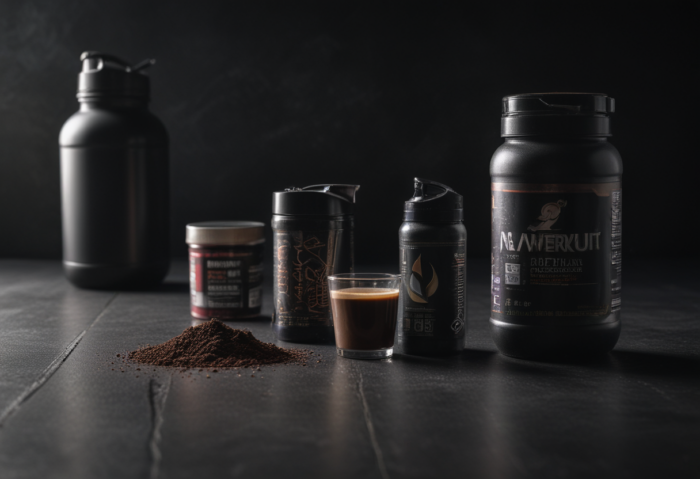
For many people, caffeine is the first move of the morning: coffee before work, tea after lunch or an energy drink before training. It can clear your head and make your body feel more alert, but just as quickly it can wreck your sleep or send your pulse up in an unpleasant way. Here is a simple overview of how coffee works in the body and how to use it sensibly.
Why caffeine kicks in so fast
Caffeine occurs naturally in several plants. The most familiar sources are coffee beans, tea leaves, cocoa beans and the kola nut. None of these plants grow in gardens in Estonia, yet coffee is a perfectly ordinary part of our day. On a dark winter morning it can even become a small lifesaver.
In the body, this stimulant acts mainly on the nervous system. It doesn’t give you energy directly the way food does; it reduces the feeling of fatigue. So what actually happens? Put simply, caffeine interferes with the work of adenosine. Adenosine is a substance that helps the brain notice that the body is tired and needs rest. When that signal is weaker, you feel more alert.
That doesn’t mean the tiredness has disappeared. It has more likely been postponed. This is exactly why coffee that is too late in the day can come back to bite you in the evening. You may not feel restless in bed, but your sleep can be lighter and the morning worse.
Caffeine before training: does it help?
In training, caffeine can help you focus. Some people find it easier to start a heavy set, hold the pace or not give up at the first sign of discomfort.
The benefit isn’t the same for everyone, though. One person drinks an espresso and feels great. Another gets a pounding heart, a hollow stomach or shaky hands. Honestly, this is where it pays to listen to your own body rather than copy a friend’s habit.
If you use caffeine before training, start modestly. An ordinary coffee before the gym is enough for many people. If you use energy drinks or pre-workout blends, read the packaging carefully. The same substance can come from several sources at once, and the amount adds up unnoticed.
How to sort out your daily caffeine
The simplest rule: coffee suits the first half of the day better. If your sleep is already poor, don’t make an evening coffee a badge of bravery. A good workout doesn’t make up for bad sleep, because recovery largely happens during rest.
Also keep track of where your stimulant comes from. Coffee and tea are the obvious ones. Chocolate, cola drinks, energy drinks and some sports products can also contribute. If you get anxiety, heartburn or a restless feeling in the afternoon, it’s worth reviewing your intake across the whole day, not just the last cup of coffee.
Caffeine-rich drinks shouldn’t be a daily habit for children and teenagers. People with anxiety disorders, sleep problems, heart rhythm disorders or high blood pressure should be just as cautious. In that case it makes sense to talk to a doctor, especially if caffeine makes you feel unwell.
Caffeine in food, drinks and cosmetics
Caffeine doesn’t live only in the coffee cup. It is found in tea, cocoa, chocolate and cola drinks. Some cosmetic products use it as a skin-stimulating ingredient, because coffee can affect the blood supply to the skin and temporarily give it a fresher feel.
Still, it’s important not to expect miracles. A cream doesn’t replace sleep, exercise or normal eating. The same goes for a drink. A stimulant can help you get to training, but it won’t build muscle for you or fix a poor daily routine.
The best use is conscious use. If coffee helps you focus in the morning and be more present during training, all is well. If without it you get a headache, a bad mood and a day that won’t get started, it may be time to cut back or take a break.
FAQ: caffeine and daily intake
Is caffeine addictive?
Yes, a habit can form. If you suddenly stop, some people may get a headache, fatigue or a grumpy mood.
Is coffee before training bad?
Not necessarily. If it improves your focus and doesn’t cause heart palpitations, anxiety or stomach trouble, it may suit you. Be careful late in the evening.
When should you cut back on caffeine?
Reduce the amount if your sleep gets worse, your pulse becomes uncomfortably fast, you feel anxious or your daily intake comes from several drinks at once.
Author: M.M.
Come and train! ArtGym