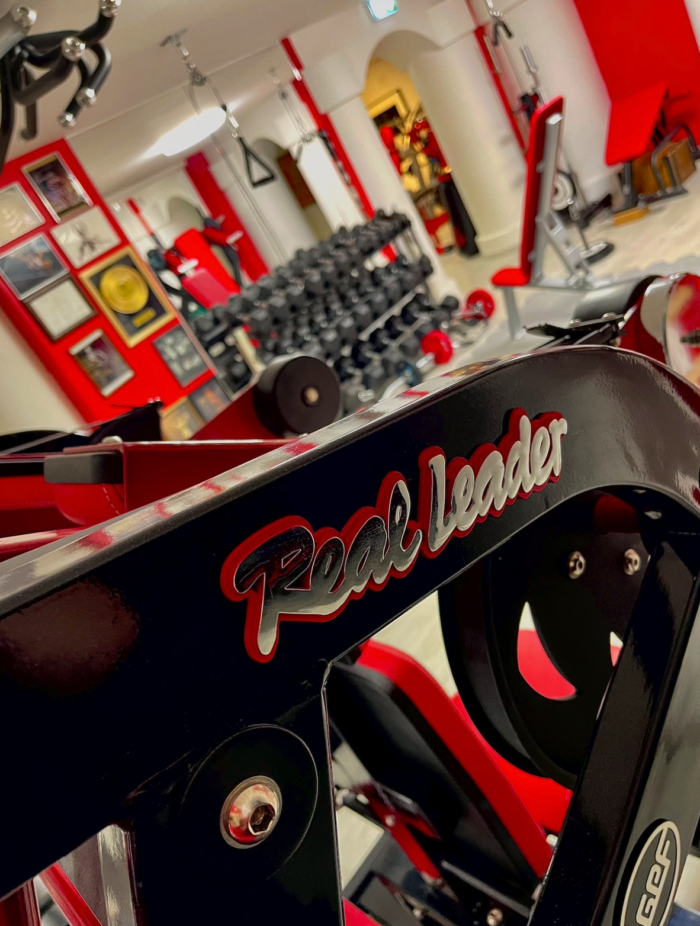
Working out at the gym can feel like an expense, especially when your monthly membership fee comes out even during weeks when you never make it to the gym. But the real value lies in how training supports your ability to work, your sleep, your confidence and your everyday energy levels.
That does not mean a dumbbell automatically makes you richer. Rather, regular physical activity helps you make better decisions, maintain your health and reduce the small financial leaks that drain your wallet without you noticing.
Why working out at the gym affects your wallet
When you work out regularly, the first change you notice may not be in the mirror. Often, it is how you feel when you wake up in the morning. You move more easily, your back does not start to complain as quickly, and by the end of the working day, you do not feel as though your battery has dropped to zero.
Financial well-being often starts with your ability to work. When you have more energy, it is easier to focus, meet deadlines and stay calm when dealing with people. This applies whether you work in an office, in sales or in construction, or run your own small business.
A simple truth: when you are tired, you often make more expensive decisions. You order food, fail to plan ahead, put off paying bills or buy things on impulse. Training does not fix every habit, but it gives your body a rhythm. That rhythm makes managing money easier.
How working out at the gym supports your ability to work
The work you do in the gym carries over quite directly into everyday life. A stronger body helps you sit, lift and walk better, and keep going until the end of the day. When your back, knees or shoulders are not constantly bothering you, you have more attention to spare for work.
Training also helps with stress. There is nothing magical about it; the effect is practical. You go to the gym, complete your sets and, for a while, there is less noise in your head. Afterwards, it is easier to judge whether a problem at work is a real crisis or just a bad moment.
For many people, there is also one less obvious benefit: confidence. When you see that you can make progress with a barbell, a machine or your own body weight, that feeling carries over into other areas. Speaking up in a meeting, negotiating your salary or asking for a new opportunity no longer feels so unfamiliar.
Does that immediately translate into a higher income? Not always. But as your health, energy and confidence improve, you are more likely to make better use of your skills.
Practical ways to keep costs under control
Going to the gym does not have to be expensive. The biggest waste is not the monthly fee itself, but paying for something you do not use. Before signing a contract, take an honest look at when you can actually fit in a workout. In the morning? At lunchtime? In the evening after work?
Choose a gym that does not require a separate trip. If it is inconveniently located, you may end up paying for it with more of your time.
Start with a simple plan. For many people, two to three workouts a week are better than a grand promise to go five times a week, only to quit a month later. Training should fit into your life, not tear your life apart to make room for it.
Keep your gear purchases sensible. You do not need the most expensive shoes, gloves, a lifting belt and ten extra gadgets in your first month. Comfortable clothes, decent shoes and a water bottle will do the job when you are starting out.
The same goes for nutrition. If your daily diet is haphazard, one randomly chosen powder or bar will not fix it. Establish a routine first: ordinary meals, enough protein and enough sleep. Only then is it worth checking whether anything is actually missing.
FAQ: gym workouts and financial well-being
Does going to the gym make you richer?
Not directly. Working out at the gym supports the qualities that help you work better and make better decisions: energy, focus, resilience to stress and confidence. Money still comes from skills, work and choices.
How much should you train to feel the benefits?
For many people, two to three workouts a week are enough to begin with. Consistency matters more. Once working out becomes a regular part of your weekly schedule, the benefits start to build.
Can training at home work just as well?
Yes, if you actually do it. A gym offers equipment, a dedicated environment and a clear boundary between work and training. Training at home costs less and saves time. The best choice is the one you can stick with.
Edited by: Arnold Tokko
Illustrative image: Ahti Läheb
Come and train! ArtGym