Gym training won’t change your life overnight, but it will make everyday life noticeably easier. Your body moves better, your head clears and small wins quickly start to lift how you feel.
That doesn’t mean you need to be in the gym five times a week right away, or know every machine. It’s enough to start calmly and make your training something you understand.
Why training lifts your mood
Many people notice the first change not in the mirror, but in how they feel. After a workout, your step is lighter. Your mind doesn’t feel as stuck. Even if the day started sluggishly, half an hour in the gym can give you the feeling that you really got something done.
Training in the gym supports your muscles, joints and endurance. That comes in handy in very ordinary situations: carrying grocery bags, climbing stairs, playing with kids or sitting at a computer for long stretches. A stronger body tires more slowly.
Your mood gets support from movement too. Training helps you shed stress and gives your body a clear signal: now we move, we breathe and we stop worrying for a while. It sounds simple, but it’s often the simple things that work.
Honestly, not every workout has to be a great one. Some days it’s just a proper warm-up, a couple of exercises and home. That’s still worth it if it keeps the habit alive.
How to make training work for you
A good start is a simple plan. Choose exercises that cover the larger muscle groups: legs, back, chest, shoulders, arms and core. A beginner doesn’t need ten different variations for a single muscle. It’s better to do less, but do it properly.
A gym staff member or a coach can show you how to set the seat height, how to choose a weight and when a movement becomes dangerous.
Start with a weight you can control through the movement. The last repetitions may be hard, but your technique shouldn’t fall apart. If your back caves in, your shoulders creep up to your ears or the movement turns into jerking, the weight is too heavy.
Rest goes hand in hand with training. Muscle doesn’t grow only in the gym, but during recovery. Sleep, food and breaks all count. If you push to your limit every single time, the fun can disappear quickly.
A simple weekly rhythm
For a beginner, two to three gym sessions a week often work well. On the days in between, you can go for a walk, do some light mobility work or simply rest. In an Estonian winter it’s especially nice when the gym gives you a reliably warm place to get your body going. In summer, part of your movement can come from being outdoors.
So what is actually going on? You’re not just building muscle. You’re building a routine. And a routine is what helps even when your motivation wavers.
Practical tips for the gym
Set one clear goal before you train. For example: today I’ll do a full-body plan at a relaxed pace. Or: today I’ll practice squats and rows with a lighter weight. A clear goal stops you from wandering around the gym waiting for inspiration.
Write down your weights. It can be in your phone or in a notebook. When you know what you did last time, it’s easier to move forward. Small progress is still progress.
Don’t compare yourself with someone who has trained for ten years. Their journey isn’t your yardstick. Compare yourself with last month: do you move more confidently, recover better, feel the exercises more?
A good workout doesn’t have to end in complete exhaustion. If you finish feeling like you’d want to move again tomorrow, you’re probably on the right track. A fun life doesn’t come from wrecking yourself. It comes from your body starting to support you more.
If you have a health concern, an old injury or a longer break behind you, talk to a doctor or a coach before you start. That’s not a sign of weakness. It’s a sensible way to avoid a stupid setback.
Training: FAQ
Is gym training suitable for a beginner?
Yes, as long as you start calmly and learn the basic movements well. Machines can even help at first, because the movement path is more fixed and your body position is easier to control.
How quickly does training improve how you feel?
Some people feel a change after just the first few sessions: better sleep, a clearer head or more energy. Physical changes take longer, but how you feel can improve quite quickly.
What should you do when your motivation disappears?
Lower the bar, but don’t quit. Go to the gym for a shorter time, do a simpler plan or bring a friend along. Keeping the habit going is often more important than one perfect workout.
Edited by: Arnold Tokko
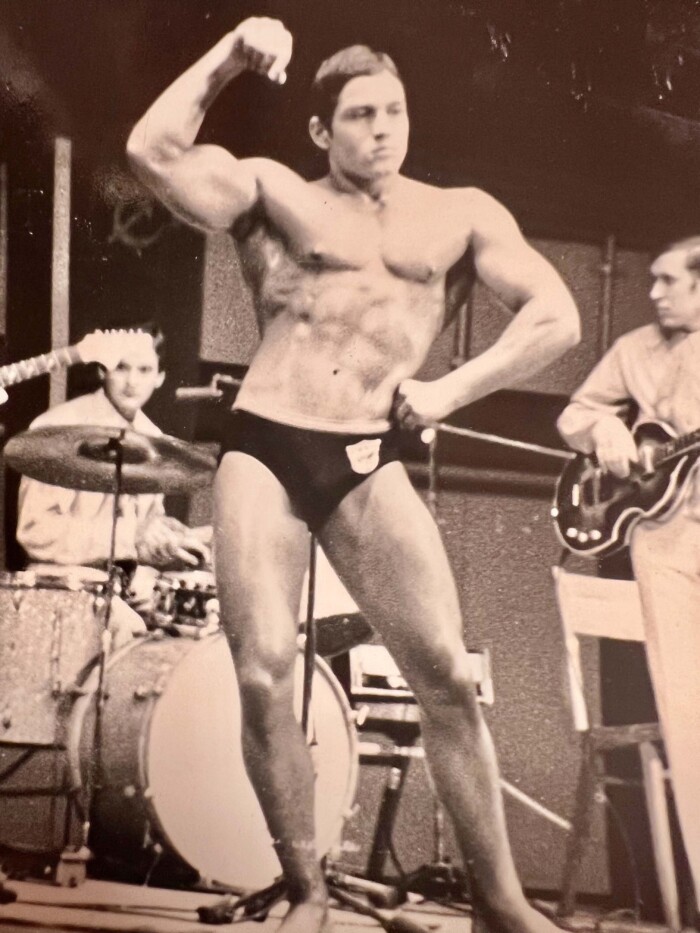
Illustrative photo: Estonian Weightlifting Museum
Come and train! ArtGym