In March 2016, around 360 powerlifters from 30 different countries gathered at the Dorpat Conference Center in Tartu. It was only the second time ever that the European Classic Powerlifting Championships had been held — and Estonia took on the role of host country.
European Championships in Tartu: an overview
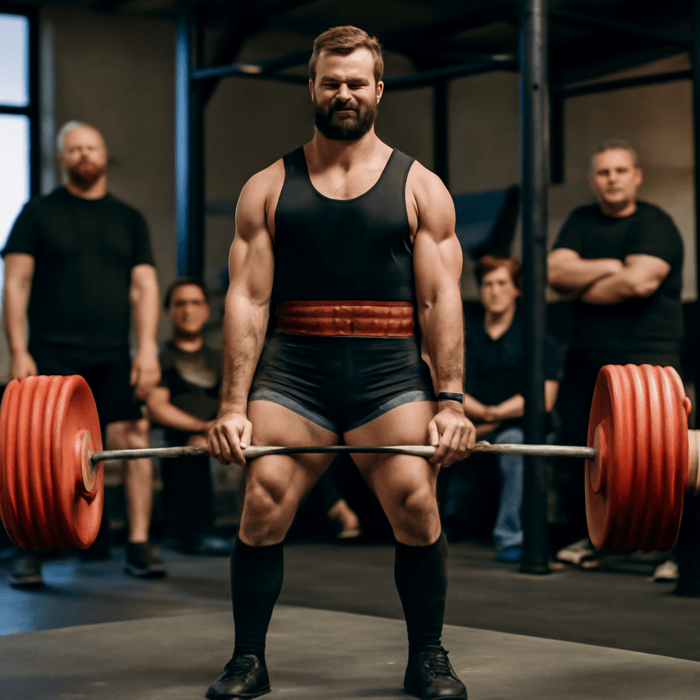
The competition took place on March 5-12, 2016. Classic powerlifting differs from equipped powerlifting in that the athlete may use only a belt and knee wraps — no supportive shirts or suits. This puts the athlete’s own strength front and center, without technical assistance.
Champions were decided in 7 weight categories for women and 8 for men. In the junior (up to 23 years) and youth (up to 18 years) age classes, there were 8 and 9 weight categories respectively. The Estonian national team arrived in a strong lineup: 11 women and 21 men. The main medal hopes rested on the heavier-weight men.
The Estonian competitors
Alex-Edward Raus (-105 kg) competed in his home city. Raus already had an impressive CV — last year’s junior world champion in classic powerlifting and the 2013 classic powerlifting world champion in the open class. In front of the Tartu crowd, Raus entered the competition as one of the clearest medal favorites.
Siim Rast was another big hope in the super heavyweight class. Rast finished fourth at last year’s European Classic Powerlifting Championships and was firmly in the medal hunt in 2016.
Margus Silbaum (-93 kg) is the most successful Estonian powerlifter of all time. His medal collection from the European and World Championships in equipped powerlifting was already considerable, but for the Tartu native this was the first major championship in classic powerlifting. With a bit of luck, Elar Kraav (-120 kg), who was also competing in his home city and had previously won deadlift medals at the European and World Championships in equipped powerlifting, had medal chances as well.
On the youth side, the biggest hopes were Andri Eric Külaviir (-83 kg), Mihkel Ruut (-120 kg) and Kermo Pärn (-66 kg). Based on their declared lifts, all three were firm medal candidates.
International stars at the 2016 European Championships
Tartu offered fans a rare chance to see the cream of European and world powerlifting with their own eyes.
In the super heavyweight class, Latvia’s Martins Kruze took the platform — last year’s European champion and one of the strongest men in Europe. The Latvian holds the European records in the squat (390 kg) and the total (950 kg). Numbers like these are rare even at the top of the world.
One of the biggest names at the competition was Bulgaria’s Ivaylo Hristov, competing in the -120 kg body weight class, who is a world and European champion in both classic and equipped powerlifting. Such double champions are truly few and far between in powerlifting.
On the women’s side, the legendary Ielja Strik (-84 kg) was present, who has been among the world’s best for more than ten years and has consistently set world records. In addition, Sofia Loft (-52 kg), the classic powerlifting world champion of the last two years and the world record holder, came to Tartu.
In the open class, Europe’s very best were present and the level was very high — world-class lifts like these have not often been seen in Estonia.
FAQ
What is the difference between classic and equipped powerlifting?
In classic powerlifting, only a belt and knee wraps are allowed. In equipped powerlifting, athletes use special supportive shirts and suits that help them move the weight better. The same athlete can often lift tens of kilos more with equipment than in the classic version. In essence, these are two different sports under the same name.
Where and when were the 2016 European Championships held?
In Tartu, at the Dorpat Conference Center, on March 5-12, 2016. The organizer was the Estonian Powerlifting Federation in cooperation with the European Powerlifting Federation.
How many competitors were there?
Approximately 360 athletes from 30 different countries. Estonia was represented by a 32-member team: 11 women and 21 men, who competed in all three age classes — youth, junior and open.
Author: EJTL
Come and work out! ArtGym