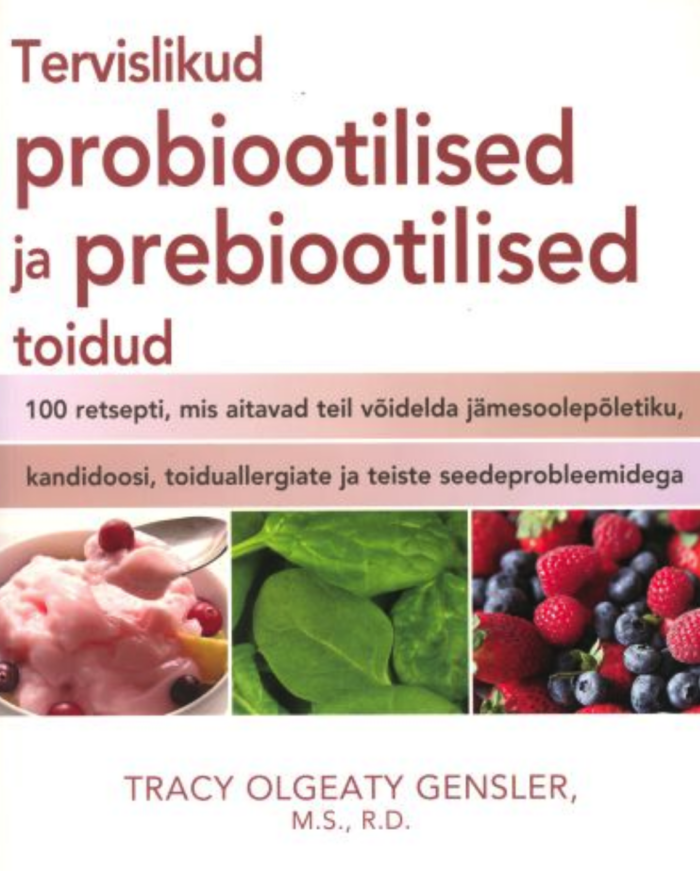
Nutrition book on probiotic foods
A nutrition book can be a simple helper if you want to better understand eating that supports digestion. Tracy Olgeaty Gensler’s book “Healthy Probiotic and Prebiotic Foods” focuses on foods you can actually make at home, not just admire.
Why does a nutrition book on probiotics resonate?
Digestion is one of those topics people often talk about only when their stomach starts sending signals. For some it’s a problem after a heavy lunch, for others after a week when the menu consisted mostly of sandwiches grabbed on the run. Then a very practical question comes up: what should you eat to feel lighter?
This book puts probiotic and prebiotic foods in focus. Put simply, these are foods that support a healthy balance in the gut. Probiotics are usually mentioned when people think of beneficial bacteria. Prebiotics, on the other hand, are food for those bacteria. One without the other doesn’t always deliver the same good result.
Honestly, a topic like this doesn’t have to be dry or feel like a doctor’s office. A good cookbook makes things easier: it takes a complicated concept and shows what you can do with it at the dinner table.
What does this nutrition book contain?
In the book you’ll find tasty, easy-to-make dishes. The original description emphasizes that these foods may help the body function better in several ways. It’s important to read this soberly: the book doesn’t replace a doctor or treatment, but it can give you ideas for making your everyday menu more mindful.
- Improve digestion.
- Support your menu in the case of food allergies.
- Neutralize carcinogens.
- Support the body in the case of rheumatoid arthritis.
- Lower blood cholesterol levels.
- Lower blood pressure.
The book has 100 recipes. That’s enough to find something for breakfast, lunch and dinner alike. While healthy eating tends to get stuck on a couple of familiar dishes, a collection this size gives you more room to play. Some days call for something fresh and light, other days you want a warmer meal. In an Estonian winter, that makes quite a difference.
The author is Tracy Olgeaty Gensler, M.S, R.D. The book runs to 222 pp., so it’s not a thin pamphlet but a solid handbook for the kitchen and the bookshelf.
How to use the recipes wisely
The best way to use a book like this is not to change everything at once. Pick one recipe and try it during an ordinary week. If it suits your taste, schedule and budget, add another. That’s how a new habit forms without the feeling that your whole life has to be rebuilt.
Also look at what you already have at home. Fermented foods, vegetables rich in dietary fiber and simple grains don’t have to be expensive or complicated. Many good choices are completely ordinary. The question is rather how to work them into your menu consistently.
If you have a specific health concern, such as high blood pressure or cholesterol, don’t rely on the book alone. If needed, talk to your family doctor or a dietitian. The recipes can support a better choice, but treatment decisions belong to a specialist.
Nutrition book: what to look for when buying
A good nutrition book shouldn’t just tell you to eat healthy. It should show you what to do today. Are the ingredients easy to understand? Does the dish avoid rare items you’d have to hunt down for half a day? Does the recipe work even when you have little time after work?
The strength of this book is its practical angle: through the recipes, probiotic and prebiotic foods become clearer. If the goal is a healthy balance in both nutrition and digestion, it’s repeated simple choices that help. Not one perfect day, but several meals you actually cooked.
You can buy the book here.
FAQ
Is this book suitable for beginners?
Yes, if you want to get to know probiotic and prebiotic foods at a relaxed pace. The recipes help you start from the kitchen, not from complicated theory.
Do probiotic foods cure diseases?
Food can support health, but you shouldn’t leave the treatment of disease to a cookbook. If you have a diagnosis or severe symptoms, ask a doctor for advice.
How many recipes are in the book?
The book has 100 recipes and runs to 222 pp. That gives you enough choice to try different dishes on different days.
Author: Turg.Fitness.ee
Source: WHO – healthy eating.
Come and work out with us! ArtGym