Gym training: get stronger and feel better
The gym is a straightforward place to send your body a clear message: let’s get stronger. You don’t need to start with a heavy barbell or a complicated program. Start by building a consistent habit that fits your life and allows for recovery.
Why does the gym really matter?
Many people start working out when they no longer like what they see in the mirror. That’s an honest starting point, but the gym offers more than a better physique. A stronger body makes everyday life easier: stairs take less effort, your back holds up better and you feel more sure of yourself.
The simple truth is that muscle grows through repeated effort, not wishful thinking. With an appropriate training load, good technique and adequate sleep, your body starts to adapt. It doesn’t happen overnight. But you’ll notice fairly quickly that the same weight feels lighter and your breathing stays steadier.
Going to the gym doesn’t have to be a competition with anyone else. You’re your own benchmark. Are you moving better than you were last month? Can you perform exercises with more confidence? Are you recovering faster? These are the signs worth tracking.
How can you make the gym work for you as a beginner?
The first mistake is usually doing too much too soon. As a beginner, you want to train everything at once: chest, back, arms, legs, abs and a little cardio on top. Afterwards, you’re so stiff that you put off your next workout. Easing into it is a more sensible approach.
Start with the basic movements
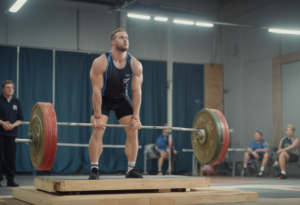
A good workout doesn’t have to be long. Choose exercises that cover the major muscle groups: a squat or leg press, a hip thrust or deadlift, a press, a pulling movement and a core exercise. As you improve at these, your overall fitness improves too.
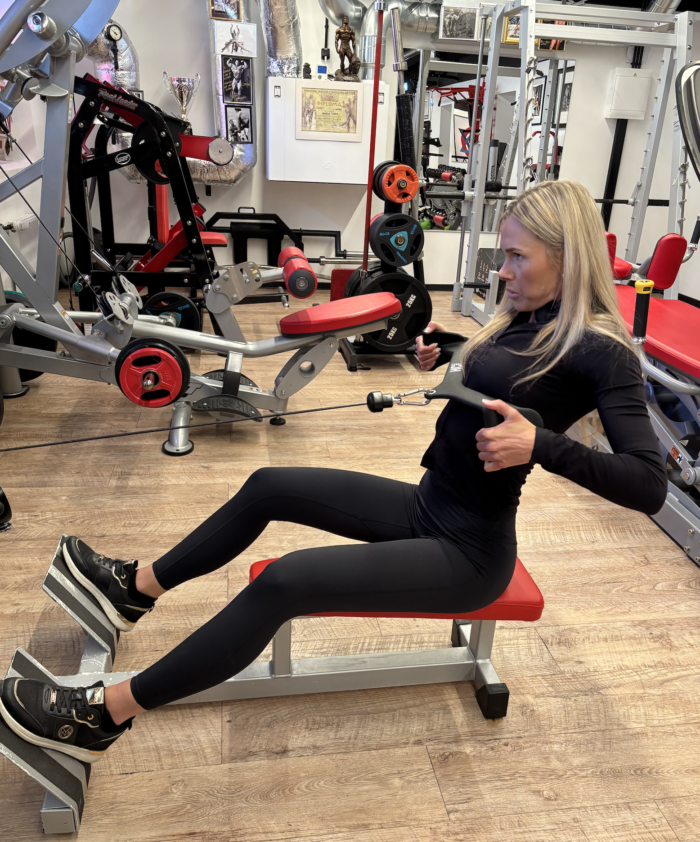
Machines are perfectly suitable when you’re starting out. They help you control the movement and feel secure. You can add free weights once you’re more comfortable with your body position and how to move. You have nothing to prove to the person clanging a barbell next to you.
Keep your training load moderate
At the end of a workout, you should feel that you’ve worked hard without completely wiping yourself out. If every set ends with you grimacing and struggling to maintain good form, the weight is too heavy. It’s better to leave a little in reserve so you can train well again next time.
Does muscle soreness mean you’ve had a good workout? Not always. Mild stiffness is normal, especially at first. Sharp pain, joint pain or a feeling that your body isn’t recovering is a sign that you need to reduce your training load.
Practical tips to make training a lasting habit
The best program is the one you actually follow. If you can only work out after work, don’t plan a morning routine just because it sounds disciplined. Training needs to fit into your life, or it will disappear at the first busy week.
Write down what you did. You don’t need a novel, just a brief note of the exercise, the weight and how you felt. After a couple of weeks, you’ll see whether you’re making progress or standing still. Honestly, it’s easier than trying to remember whether you had more or less weight on the bar last time.
Don’t forget to warm up. A few minutes of light movement and a couple of easy sets prepare your body for the work ahead. Food and sleep matter too. If you’ve eaten haphazardly all day and had little sleep the night before, you can’t expect miracles from your workout.
Wear comfortable clothes and shoes. You don’t need a new wardrobe, but shoes that slip or an uncomfortable shirt will get in the way. Bring water along too. These are small things, but they help you focus on what you came to the gym to do.
The gym and confidence without showing off
Old-school gym talk often revolved around impressing other people. That idea is outdated. Strength doesn’t have to be a performance. A better reason to train is to feel more confident in your body and move more freely.
Confidence usually builds quietly. You might not notice it in the first week. Then you realize your posture is better, your shoulders don’t slump forward as easily and everyday fatigue doesn’t knock you flat so quickly. What’s actually happening? Your body is learning to cope.
There’s no need to put anyone down, make comparisons or shame anyone at the gym. Everyone starts somewhere. Today, your goal might simply be to show up and get a good workout in. Tomorrow will be a little easier.
FAQ
Is the gym suitable for a complete beginner?
Yes, if you ease into it and learn proper exercise technique. At first, it makes sense to choose simple movements, keep the weights moderate and focus on consistency.
How soon will you see results?
The first improvement is usually in how movement feels: you become more confident with the exercises and your body handles the training load better. Changes in appearance take longer and also depend on your diet, sleep and how regularly you train.
What should you do if you lose motivation?
Lower your expectations rather than stopping. Show up and do a shorter workout. It’s easier to keep the habit going when a bad week doesn’t turn into a complete break.
Author: Tank, joker
Source: WHO – physical activity.
Come and work out! ArtGym