Strength training is a miracle cure
Strength training is a miracle cure
Strength training is the most effective kind of training for shaping the body. Everyone wants to look good, and most people head to the gym to improve their appearance. Strength training and the optimal nutrition that goes with it make for a truly health-promoting sport. The healthy condition of muscles and bones is vital to a person’s physical capacity and health. In this article I discuss the health effects of strength training and the results of my own research.
The musculoskeletal system
The condition of our muscles and bones largely determines whether we develop problems in the musculoskeletal system. These problems, such as back pain, are common among the population and cause a great deal of illness and work disability – in other words, a lot of suffering, pain and financial cost. Strength training is one of the best ways to prevent musculoskeletal problems. Physiotherapy, physiatry and rehabilitation medicine have known this for a long time. Surgeons, too, recommend doing a wide variety of strength exercises to deal with ailments and during post-surgery recovery.
Weight monitoring and adult-onset diabetes (type 2 diabetes)
As early as twenty years ago, in my doctoral thesis (Insulin and Myocardial Blood Flow), I pointed out that being overweight on its own, without any other disease, impairs blood flow to the heart, and that even young men can face this problem (1). Over time this can lead to obstructive coronary artery disease and myocardial infarction. Excess weight causes other health problems besides heart and vascular disease. On top of these, there is also a risk of joint problems and cancer. Since overweight has reached epidemic proportions, people are feverishly searching for ways to prevent and treat it.
At rest, muscle burns three times as many calories as fat tissue. Strength exercises change body composition for the better: they increase muscle mass and significantly reduce fat tissue. Retirement-age men (aged 67 ± 3) who took part in a study lasting four months reduced subcutaneous and intra-abdominal (visceral) fat by 10-11% by doing strength exercises twice a week (2). Losing that much fat with so few sessions and in such a short time is quite a remarkable result. More attention has indeed been paid lately to the importance of strength training in weight loss. Keep in mind, though, that with more muscle mass your weight may not drop when you do strength exercises if you don’t limit your energy consumption. So rather than stepping on the scale, look in the mirror.
In studies since my thesis, I have shown that insulin sensitivity correlates with blood flow in the coronary arteries of the heart (3). In other words, this suggests that the better your muscles “absorb” sugar from the blood, the lower your risk of developing obstructive coronary artery disease. Since muscle is a metabolically active tissue, building muscle mass through strength training improves the body’s insulin sensitivity. Strength training has been shown to amplify insulin signaling in muscle tissue regardless of muscle mass. A meta-analysis from a few years ago (a summary of various studies) found that, compared with less active people, strength training markedly improved blood sugar levels in people with type 2 diabetes, with the HbA1c (glycated hemoglobin) value falling to 0.3% (4). Even larger improvements in blood sugar levels have been reported in studies. Improving HbA1c is important because, in heart studies, I have noticed that circulatory problems of the heart in people with diabetes, and the size of the problem, depend on blood sugar level (5).
Age-related loss of muscle mass (sarcopenia) and thinning of the bones (osteoporosis)
Whether you end up bedridden and dependent on someone else’s care in old age is up to you. Mobility is at its best in your 30s; after that it slowly begins to decline, and the decline speeds up in late middle age. Some everyday activities, such as getting up, walking and lifting things, demand more and more strength. Walking on stairs and rising from a chair require as much as 80% of the thigh muscles’ maximum strength, whereas for young people the figure is 40–50 %. Maintaining muscle strength is necessary to manage everyday tasks in old age. Moreover, if you spend a few days in bed ill, a smaller muscle strength reserve can prove fatal. With strength training you can effectively prevent, or at least slow down, the loss of muscle strength, because this way we can build muscle mass and strength that is then retained throughout life. Several months of consistent strength training gives older people 10–30% more muscle strength, in both sexes (6, 7). Strength training is the most important option for preventing sarcopenia and the key treatment for it. Strength training should be part of everyone’s lifestyle, regardless of age.
Bone tissue is constantly changing, so after the age of thirty more bone can be broken down than is added. Through your lifestyle, you can prevent this or at least slow down the thinning of your bones. Bones get stronger through movement, when the skeleton is subjected to impacts, quick turns and jolts. To begin with, ball and racket games, aerobics and dancing are good forms of training, but strength training is a type of training that strengthens the skeleton in particular, and it can be especially recommended to those for whom workouts involving jumping are unsuitable. Studies have found that strength training maintains or strengthens the skeleton in older women. Bone density in older men has also been measured (DEXA) and analyzed after three months of strength training, and as a result, whole-body and femoral (thigh bone) bone mineral density improved by 0.5‒1% (8). Bone gets stronger more effectively when large muscle groups are loaded with relatively heavy weights.
„Whether you end up bedridden in old age, in another person’s care, depends on your mobility. Mobility is at its best in your 30s, after which it slowly begins to decline, and the decline speeds up in late middle age.“
In conclusion
The positive effects of strength training have long been used in physiatry and rehabilitation. Based on research into health-enhancing physical activity, strength training has also taken a central place in health care programs. The treatment guidelines of the institution Liikunnan Käypä recommend that all adults do strength workouts at least two days a week in addition to their everyday physical activity. Strength training is an underrated, broad-spectrum treatment option. It reduces both subcutaneous and visceral fat and improves type 2 diabetes. Strength training is the most effective way to prevent and treat age-related muscle mass loss, known as sarcopenia. It is recommended to do strength training and aerobic activity to avoid obesity and type 2 diabetes, along with all kinds of workouts that involve jumping to prevent osteoporosis.
Older people in particular need to make sure they get enough protein in their diet. I will talk more about nutrition and supplements in upcoming articles. Doctors should write strength training exercises into patients’ instructions: „Enjoy 30-60 minutes, 2-3 times a week, plus protein, for life“.
This is a medicine we can take in bigger doses than our doctor prescribes, just as our Body crowd often does. With strength training and optimal nutrition you will look good and improve your health. Could there be an even more powerful hobby than that? It’s time for muscle millenium!
If you want to dig deeper into the topic and learn more about the health effects of strength training and the research behind them, I recommend reading the expert assessments and review articles I have written for medical journals:
Sundell, J. Lihasvoimaharjoittelu on liian vähän käytetty täsmälääke lihavuudessa ja vanhuudessa. Duodecim 2011; 127:335–41.
Sundell, J. Resistance training is an effective tool against metabolic and frailty syndromes. Advances in Preventive Medicine 2011; Article ID 984683, 7 pages. This article is also available to read online: here.
Article references:
1. Sundell J, Laine H, Luotolahti M, Kalliokoski K, Raitakari O, Nuutila P, Knuuti J. Obesity affects myocardial vasoreactivity and coronary flow response to insulin. Obes Res. 2002 Jul;10(7):617-24.
2. Ibañez J, Izquiredo M, Argüelles I, ym. Twice-weekly progressive resistance training decreases abdominal fat and improves insulin sensitivity in older men with type 2 diabetes. Diabetes Care. 2005;28:662-7.
3. Sundell J, Luotolahti M. association between insulin resistance and reduced coronary vasoreactivity in healthy subjects. Can J Cardiol 2004;20(7):691-5.
4. Irvine C, Taylor NF. Progressive resistance exercise improves glycaemic control in people with type 2 diabetes mellitus: a systematic review. Aust J Physiother. 2009;55:237-46.
5. Sundell J, Janatuinen T, Rönnemaa T, Naum A, Laine H, Luotolahti M, Nuutila P, Raitakari OT, Knuuti J. Lifetime glycaemic exposure predicts reduced coronary vasoreactivity in Type 1 diabetic subjects. Diabet Med 2005;22(1):45-51.
6. Latham NK, Bennett DA, Stretton CM, Anderson CS. Systematic review of progressive resistance strenght training in older adults. J Gerontol A Biol Sci Med Sci 2004;5:48-61.
7. Strasser B, Keinrad M, Haber P, Schobersberger W. Efficacy of systematic endurance and resistance training on muscle strength and endurance performance in elderly adults–a randomized controlled trial. Wien Klin Wochenschr. 2009;121:757-64.
8. Chilibeck PD, Chrusch MJ, Chad KE, Shwan Davison K, Burke DG. Creatine monohydrate and resistance training increase bone mineral content and density in older men. I Nutr Health Aging. 2005;9:352-3.
Author: Jan Sundell
Translated by: Kertu Koronen
(BODY. June/2012)
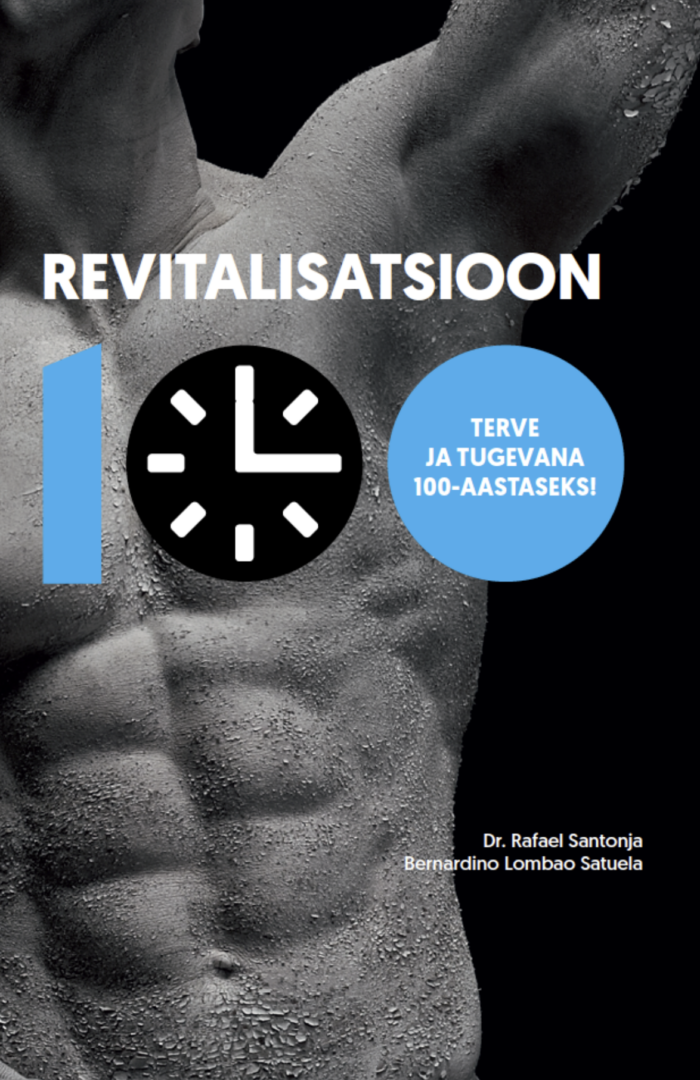
PS Read more about how the gym helps you live a dignified life to the age of at least 100!
Come and train! ArtGym