
Healthy eating: practical tips
Healthy eating doesn’t have to mean radical changes or complicated diets. A few simple choices at home, at work and when eating out can completely transform what ends up on your plate. Here are concrete tips you can start with right away.
Healthy eating starts with the morning
Breakfast is the most important meal of the day — that’s not a cliché, it’s reality. If you skip breakfast, you’ll be so hungry by lunch that you make choices you otherwise wouldn’t.
- Eat breakfast every day — even if it’s a quick one.
- Drink 100% natural fruit juice (freshly squeezed) with your breakfast or take a glass of it with you to work.
- Add a banana or a handful of berries to your porridge, yogurt or pancakes — simple, but it noticeably boosts your nutrient intake.
- Eat fruit instead of snacking between meals.
Fruit and vegetables in your daily diet
What’s the easiest way to eat more fruit and vegetables? Buy them and bring them home. It sounds too simple, but it works.
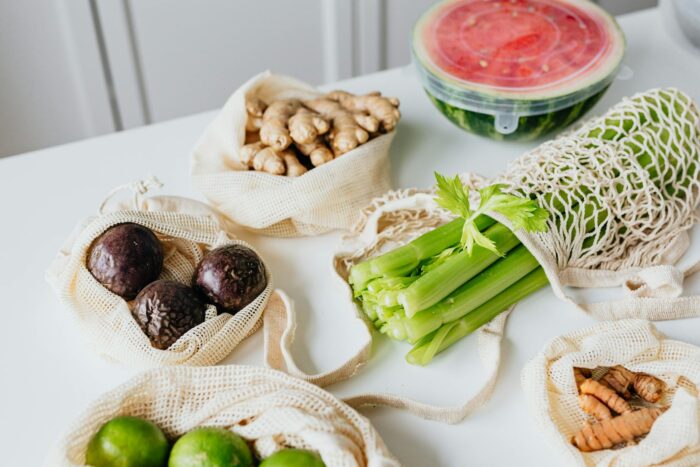
Fill bowls with fruit and vegetables and put them on the kitchen table and shelves. When they’re right in front of you, they end up in your mouth far more often than when you have to dig around the fridge for them. Celery sticks, cucumber slices and cherry tomatoes are perfect for taking to work — a quick crunch without the guilt. Pretzel sticks are also a good choice.
Choosing fat and meat wisely
Butter and margarine are tasty, but portions easily get out of hand. Use them sparingly — or switch to a low-fat margarine instead. Jam also works well on bread.
When it comes to dairy, choose low-fat options: 1% milk, low-fat cheese, yogurt, sour cream. You still get all the nutrients you need, but with less fat.
You don’t have to give up meat — just choose more wisely. Poultry, turkey and lean meat are easier to digest and lower in fat. When you cook at home, trim off visible fat before cooking. Cook chicken without the skin, eat regular potatoes instead of fries and use oil sparingly — olive oil is a good choice.
Salad dressing is often a hidden source of fat. Use a low-fat dressing or simply a smaller amount — fat-free mayonnaise also works well.
Healthy eating at restaurants and fast-food places
Restaurant portions are often double the size of what we eat at home. The solution is simple: order a smaller portion or ask for a takeaway box right away. That way you won’t stuff yourself, and you’ll have something left for the next day too.
Fast food doesn’t automatically have to mean a high-fat choice. A few tricks:
- Order bread with lightly fried meat.
- Choose a sandwich with grilled poultry.
- Keep portions medium or small — don’t go for double or large.
- Order without cheese.
Sweets and dessert: let common sense win
Most people always have room for dessert — even when lunch was substantial. That’s completely normal. But:
- Cut back on portion size and frequency.
- Replace regular cookies and ice cream with low-fat versions — they still taste good.
- Choose fruit first — it gives you energy and satisfies a sweet tooth naturally.
An important warning: “low-fat” or “fat-free” doesn’t mean you can eat it in unlimited amounts. Many such products are high in calories. Everything in moderation, without overdoing it.
FAQ: healthy eating in everyday life
Is breakfast really that important?
Yes. Breakfast kick-starts your metabolism and helps you make better food choices throughout the day. Even a simple banana with yogurt is better than heading to work on an empty stomach.
How can I eat healthily if I often eat out?
Order a smaller portion, choose grilled meat instead of fried, and ask for a takeaway box for the leftovers. Restaurant portions are often twice as big as you actually need.
Are all fatty foods bad?
No. Fat is a necessary nutrient, but amounts matter. Use olive oil, choose low-fat dairy products and trim visible fat from meat — that way you don’t have to give up fat completely.
You can find healthy food at the restaurant ARMUDU
Author: Turg.Fitness.ee
Come and work out! ArtGym




