Bodybuilding in Estonia: from Tartu’s first competition to world titles
The story of Estonian bodybuilding officially begins in 1966. That was when Tartu hosted its first bodybuilding competition, organized by Arne Heinlaid, who was known as a weightlifter. The competition involved more than posing as we know it today: competitors had to display their physiques and compete in two strength events, the bench press and the barbell squat. Arne Heinlaid won the competition and later became Estonia’s first overall bodybuilding champion.
That autumn, on 12–13 November 1966, the first Estonian Bodybuilding Championships took place in the gymnasium of the Tallinn Pedagogical Institute. Although the event received little publicity, the venue was packed. Arne Heinlaid was once again crowned the overall winner.
The pioneers who kept the sport alive
Estonian bodybuilding was built not only by athletes, but also by people who believed in the sport at a time when it lacked official support.
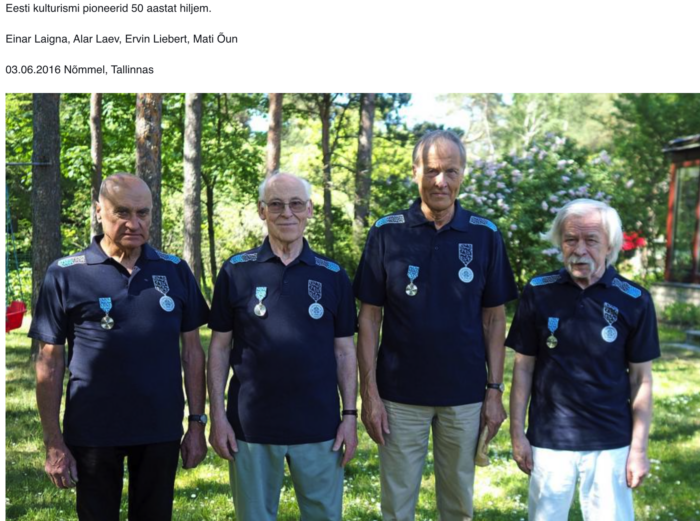
Key figures certainly include Ervin Liebert, Einar Laigna, Mati Õun, Innar Mardo, Indrek Otsus, Olev Annus, Arnold Tokko and several others.
Ervin Liebert was one of Estonia’s earliest bodybuilders and bodybuilding textbook authors. His book “Weight training”, published in 1968, played a very important role in the development of Estonian bodybuilding, giving enthusiasts guidance on training methods at a time when information was scarce.
Einar Laigna was one of those who helped popularize weight training and the pursuit of physical development. Fitness.ee’s historical overview credits him with spreading the bodybuilding bug in Estonia.
Innar Mardo was a longstanding leader and organizer in Estonian bodybuilding. His role was particularly important at a time when bodybuilding needed people to build connections, organize competitions and hold the sport together. Fitness.ee’s historical overview describes Mardo as a longstanding driving force and organizer in Estonia’s bodybuilding scene.
Banned, but still alive
- From this decade onward, major nationwide competitions began to be held in Estonia again, but bodybuilding faced difficulties in the Soviet Union. The sport was banned, yet it never disappeared in Estonia. Competitions were held unofficially, and training continued. Olev Annus and Indrek Otsus stand out among the prominent figures of this period.
This period shaped the character of Estonian bodybuilding: less official recognition, more fiercely dedicated work. Athletes trained in gyms where the equipment was often homemade, learned from books, magazines and experience, and achieved results largely through sheer determination.
The 1980s and 1990s: a new lease of life
Restrictions eased in the late 1980s. The Estonian Bodybuilders’ Association was founded in 1989, and competitions for women began in 1990. Kersti Põder became Estonia’s first women’s overall champion.
- In this year, the Estonian Bodybuilders’ Association became an independent member of the IFBB. This was an important step, giving Estonian athletes the opportunity to represent their own country at international championship events.
The mid-1990s brought Estonian bodybuilding its first major international breakthrough: Inna Uit won the European title in 1995 and the world title in 1996 in the women’s -57 kg bodybuilding category.
Arnold Tokko and the era of organizational development
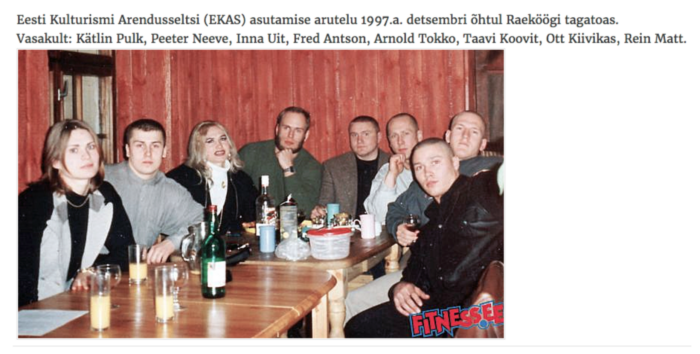
- In this year, the Estonian Bodybuilding Development Society was established, later evolving into the Estonian Bodybuilding and Fitness Federation. Arnold Tokko became its leader. According to the Estonian Sports Register, EKAS was founded on 09.12.1997 and has been known as the Estonian Bodybuilding and Fitness Federation since 17.03.2002.
Arnold Tokko played a very important role in the development of bodybuilding and fitness in Estonia: he was the founder and president of the Estonian Bodybuilding Development Society, president of the Estonian Bodybuilders’ Association and later president of the Estonian Bodybuilding and Fitness Federation from 1997–2017. Fitness.ee’s historical overview also highlights Tokko’s role as the founder of the Estonian Strength Sports Museum.
This period was significant because bodybuilding began to move from a sport sustained by enthusiasm towards a systematically organized one: international relationships, national teams, a competition calendar, judging, doping control and a coaching system took shape.
2000s: Estonia returns to the world stage
During the 2000s, bodybuilding and fitness in Estonia became increasingly professional. The first doping test at the Estonian Championships was conducted in 2001, when women’s fitness also made its debut at the championships. Bodyfitness was added to the Estonian Championships program in 2003.
- marked a major international breakthrough: at the IFBB European Championships in Romania, Ott Kiivikas won silver in bodybuilding in the up to 90 kg category, and Imre Vähi took bronze in classic bodybuilding. According to Fitness.ee’s historical overview, these were Estonia’s first major championship medals since Inna Uit’s world championship gold in 1996.
2011: Estonia wins the team world title in classic bodybuilding
One of the greatest moments in Estonian bodybuilding came in 2011, when the Estonian national team became world champions in classic bodybuilding. The Estonian Bodybuilding and Fitness Federation’s achievements page lists the 2011 world championship gold medals won by Oleg Anissimov in fitness, Taavi Koovit in the -180 cm classic bodybuilding category, and the Estonian national team in classic bodybuilding.
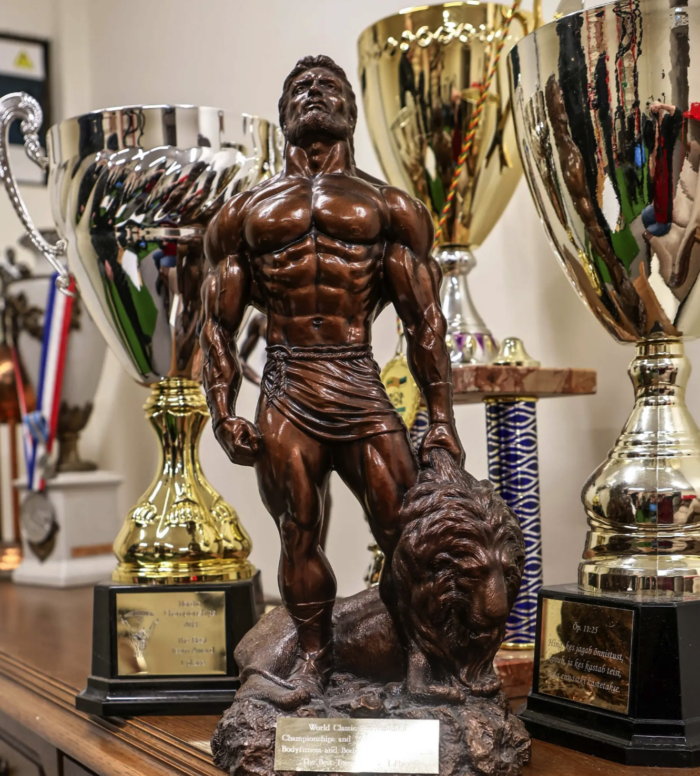
That year was also special because Tallinn hosted the World Classic Bodybuilding Championships. This showed that Estonia was no longer just a small player in international bodybuilding: it could host top-level championship events and compete with the very best in the world.
Today: From bodybuilding to a fitness culture
Today, bodybuilding in Estonia has grown into a broad fitness culture. Classic bodybuilding has been joined by bodyfitness, bikini fitness, men’s physique, wellness fitness, fit model and other categories. Estonian athletes have won numerous medals at major championships, and the Estonian Bodybuilding and Fitness Federation is a member of the international organizations IFBB and EBFF.
What began with one small contest in Tartu in 1966 has grown into a sport with an international presence for Estonia. This story has been shaped by people who believed in bodybuilding at a time when pursuing it was neither easy nor comfortable.
Summary
The history of Estonian bodybuilding is about more than medals and titles. It is the story of people who built the sport from virtually nothing.
Arne Heinlaid laid the foundation with the first competition.
Ervin Liebert provided the knowledge and methodology.
Einar Laigna helped promote the ideal of an athletic physique.
Innar Mardo kept the sport organized through difficult times.
Olev Annus, Indrek Otsus, Inna Uit, Ott Kiivikas, Taavi Koovit, Oleg Anissimov and many others put Estonia on the international stage.
Arnold Tokko helped establish the organizational backbone that carried bodybuilding and fitness in Estonia into a new era.
And if there is one symbolic starting point, it is Tartu in 1966 – the moment that began the long and distinguished journey of competitive bodybuilding in Estonia.
Come work out! ArtGym