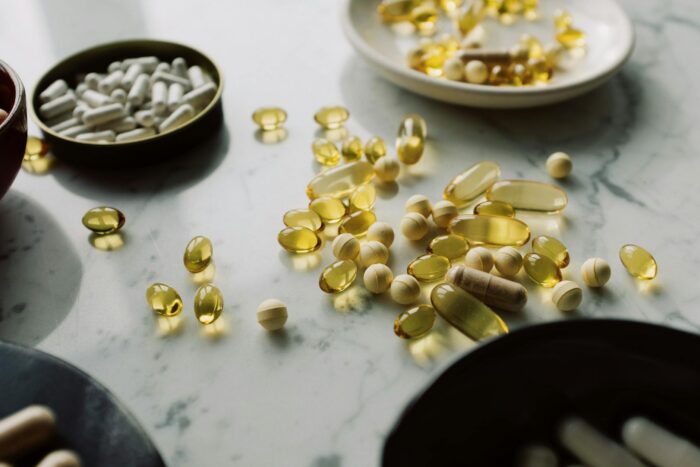
Every couple of months, a new supplement hits the shelves promising better training results. The latest to catch attention is arginine, an amino acid marketed as a circulation booster and a pre-gym magic wand. Is it really worth it, or is it just another expensive promise?
What is arginine and why is everyone talking about it
Arginine is a semi-essential amino acid that the body mostly makes on its own. In food, you get it from meat, fish, nuts, seeds and legumes, and the average person eating a varied diet gets enough without reaching for an extra powder.
The excitement comes from the fact that the body uses arginine to produce nitric oxide (NO). Nitric oxide relaxes the inner walls of blood vessels, which in theory means better blood flow and therefore more oxygen and nutrients for working muscles. That is where the whole “pump” promise comes from, the one sports drinks like Herc sell on their labels.
Does arginine actually benefit your training?
Honestly, for the average healthy person the evidence is pretty thin. Nutrition specialist Allison Sarubin Fragakis, author of The Health Professional’s Guide to Popular Dietary Supplements, put it this way in Muscle & Fitness Hers: arginine may help people who have genuine circulation problems. For a healthy female athlete or recreational exerciser, Fragakis recommends keeping your money and focusing on the things that really move the needle: food, sleep and consistent training.
That is a slightly awkward message if you are already standing at the checkout. But the logic holds up. If you sleep five hours a night and graze on snacks, no powder is going to make you stronger. Once the foundation is in place, the next few small percentage points are genuinely hard to find, and L-arginine is not a sure bet among them.
What to know before you try arginine
If you decide to experiment anyway, here are a couple of things you shouldn’t gloss over:
- In small amounts, arginine is generally considered safe, but the effects of long-term daily use haven’t been well studied. The longer the cycle, the more closely you should watch how your body responds.
- The most common side effect is digestive trouble: diarrhea, nausea and gas. It shows up especially when you take a large dose all at once on an empty stomach.
- If you are prone to cold sores (herpes simplex), it is better to skip arginine. L-arginine promotes viral replication and can trigger a new outbreak. Lysine does the opposite, which is worth knowing if you are prone to cold sores.
- If you take blood pressure medication, nitrates or erectile dysfunction drugs, talk to your family doctor or pharmacist first. Arginine can lower blood pressure and, combined with other vasodilating medications, may go too far.
A practical observation from the gym: if you have ever taken a “pre-workout” powder made for athletes and felt a strong pump, most of that feeling actually comes from caffeine and citrulline, not from L-arginine itself. Citrulline is converted into arginine in the body and seems gentler on digestion, which is why many newer products have switched from arginine to it.
Who might arginine suit after all
There are situations where the amino acid can be of use, for example in certain medical conditions involving circulation or healing processes, where a doctor has prescribed it. But that is not a green-label “performance booster” off the shelf; it is part of a treatment plan led by a doctor.
For the average recreational exerciser who trains two or three times a week and wants better results, the honest order of priorities is still the same: sleep seven to eight hours, eat protein at every meal, follow a training program and give it months. Supplements come into play once the foundation is truly in place, and even then arginine sits at the bottom of the list, not the top.
FAQ
Does arginine help build muscle mass?
A direct effect on muscle growth has not been convincingly shown. For building muscle mass, protein intake, training volume and recovery matter many times more than any single amino acid in powder form.
When should you take arginine, if you try it at all?
It is usually recommended to take it about 30–45 minutes before training, with water and after a light meal to reduce digestive trouble. Don’t start with the maximum dose: try half of the amount stated on the package and see how your body reacts.
Can you get enough arginine from food?
Yes, a healthy adult eating a varied diet gets it from chicken, beef, fish and egg dishes, as well as pumpkin seeds, almonds, lentils and other legumes. Deficiency is rare.
Author: Arginine
Source: Health Board – dietary supplements.
Come and train! ArtGym