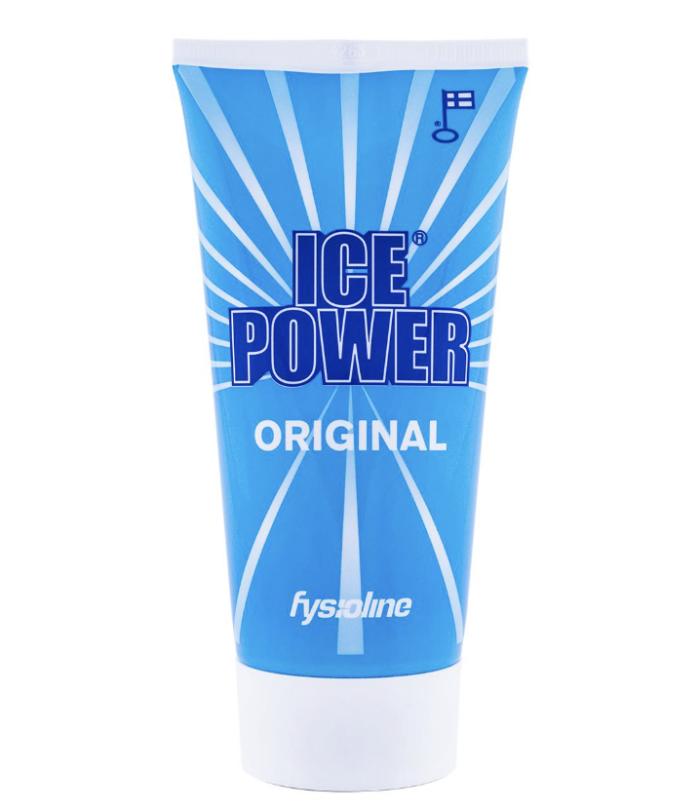
Cold gel in your sports bag and during training
Cold gel is a simple thing that you only notice when you actually need it. When a strain, a small knock or a sudden stab of pain in a muscle interrupts your workout, that cooling sensation is often the first practical relief.
The original Fitness.ee product post covered Ice Gel, a product that was available at Amazon.ee in a 150ml tube. The link to the shop has since been removed, but the topic itself is still practical: when should you use cold gel, and what should you not let it talk you into?
Why cold gel matters alongside training
Small mishaps in training don’t only happen to beginners. A slippery floor, a warm-up that’s too fast, a poor landing or simply a bad day can leave a muscle or joint sore for a while. At a moment like that you don’t need panic, just calm first action.
The cold sensation helps cool the injured area. The original text put the idea simply: cold helps constrict blood vessels and so slows the build-up of swelling in the injured area. That is exactly why cold gel is often used for strains, tears and smaller microtraumas.
That doesn’t make the gel a miracle cure. If the pain is sharp, the joint won’t bear weight, major swelling appears or moving becomes difficult, you need to cut the workout short and get help if necessary. Cold gel is suited to first relief, not to masking a serious injury.
How to use cold gel properly
A simple truth: first, stop the training load. If, for example, you feel a twinge in your calf muscle, it isn’t smart to finish one more set. Stop the exercise, assess how it feels and only then use the cooling gel.
Apply the gel in a thin layer to the painful or sore spot. Don’t rub the skin angrily until it’s red. The aim is to cool the area, not to massage it forcefully. If the skin is broken, irritated or has a rash, don’t apply the gel there.
Wash your hands after use. That sounds boring, but it matters. Cooling gel in the eye or on a mucous membrane is a very unpleasant experience. Also, don’t immediately cover the spot with a very tight bandage or film unless the product’s instructions allow it.
If the pain eases quickly and your movement is normal, it may come down to a small scare. If the pain persists, gets stronger or comes back the next day, take it as a sign that your body needs rest and a clearer assessment.
What to look for when buying cold gel and keeping it in your bag
In your sports bag, the gel should be something that’s easy to open and use even when your hands are sweaty. A tube is usually more convenient than a jar, because you can take it along to training, on a hike or to a competition.
Check the ingredients and the instructions for use. If you have sensitive skin, try the product on a small patch of skin first. For some people a strong cooling sensation can be too irritating, especially if the skin is dry or already chafed.
Keep the cold gel where it can’t leak over your towel, shoes and change of clothes. Closing the cap properly seems like a small thing, until your whole sports bag smells of menthol. Honestly, that’s a lesson worth avoiding.
One more practical thought: the gel doesn’t replace a warm-up, mobility work or sensible increases in training load. If the same spot keeps making itself felt, the solution isn’t to cool it every time and push on. The cause needs to be found.
Cold gel and training: when to be careful?
Don’t use cold gel to suppress pain and carry on with the same exercise. Pain is a signal. Sometimes it’s a minor warning, sometimes it’s something more serious. Telling the difference starts with giving your body a moment to settle.
If the injury came from a fall, a hard blow or a sudden tearing sensation, be especially careful. The same applies if bruising or major swelling appears, or if the area becomes hot and very painful. In that case it makes sense to stop the workout.
Cold gel belongs in a sports bag, but a clear head belongs there even more. Not every ache calls for a hero. Some just need rest, a lighter week and, if necessary, a specialist’s eye.
FAQ
Does cold gel heal a torn muscle?
It’s best not to think of it that way. Cold gel may help with initial discomfort and provide cooling, but with a muscle tear it’s important to stop the training load and consult a specialist if necessary.
Should cold gel always be in your sports bag?
If you do strength training, run, play ball games or are on the move a lot, it’s a practical extra. You may not need it every week, but when the moment comes, it’s good to have it with you.
Is cold gel suitable as a warm-up before training?
No. Cooling gel is not a warm-up. Before training, do some easy movement instead, perform light sets and raise the training load gradually.
Author: Cold gel
Source: WHO – physical activity.
Come and train! ArtGym