
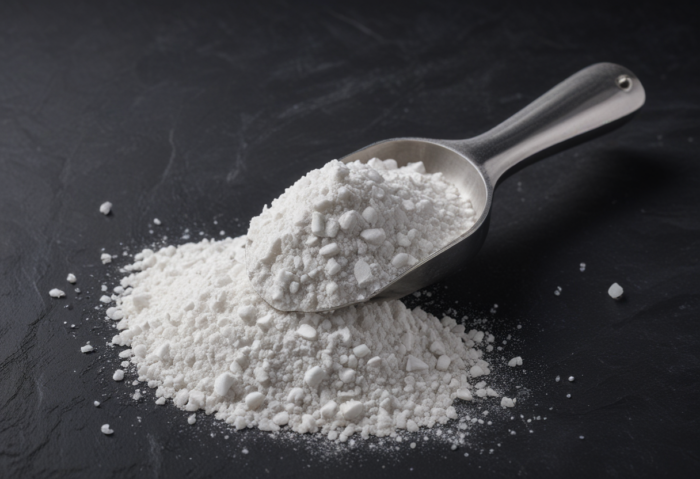
You may recognize creatine from the supplement tubs at the gym, but its role goes beyond barbells and dumbbells. It helps your body make better use of readily available energy and may also support your brain, muscles and everyday stamina.
Why does creatine matter?
If you’ve ever done a heavy set of squats or sprinted for a bus, you know the feeling: you run out of strength fast. During short, intense efforts, your body needs energy it can access quickly. That’s where creatine comes in.
The simple truth is that creatine helps replenish energy stores in your muscles. That’s why it’s most often associated with strength training, muscle mass and better performance. But energy matters to other tissues too, including the brain and heart.
That doesn’t make creatine a miracle cure. It’s among the better-known supplements, with benefits that are particularly apparent when you’re already physically active, eating reasonably well and getting fairly decent sleep. If all 3 are completely out of balance, no powder will save the day.
How does creatine work in your body?
Creatine occurs naturally in your body. You get some from food, especially meat and fish, and your body produces some itself. Taking it as a supplement increases creatine stores in your muscles, which may help during short, intense efforts.
Muscles and strength
Its effects are easiest to understand in the gym. If creatine helps you do a few more reps or hold a weight more steadily, that adds up to greater training volume over time. This, in turn, supports muscle development.
The same principle may matter even more as you get older. The loss of muscle mass and strength happens gradually, rather than overnight. Regular strength training, enough protein and creatine may work together to help you preserve muscle. This is particularly relevant if your goal is to move more confidently in everyday life, climb stairs or reduce your risk of falling.
The brain and fatigue
Your brain uses a lot of energy. So it’s understandable that creatine sometimes comes up in discussions about mental work, fatigue and concentration. Its effects may vary from person to person. You may notice more of a difference, for example, when you’re sleeping poorly, working long days or getting little creatine from your diet.
So what’s actually happening? Your body gains another way to support its energy reserves. That doesn’t mean creatine replaces sleep or rest. It may, however, offer a little support during periods of greater mental demand.
The heart, bones and overall health
Your heart is also a muscle and needs energy to keep working. Creatine’s role in heart health isn’t as straightforward or direct as its role in strength training, but its support for energy metabolism is why researchers are studying this area.
It’s a similar picture with bones: creatine alone won’t make them strong. Training load, particularly through strength training, is key here. If your training is in place, creatine may form part of a broader plan that supports your muscles and, in turn, helps you move better.
Using creatine: what to keep in mind
The most common choice is creatine monohydrate. It’s simple, well known and sufficient for most people. There’s no need to complicate things with expensive blends or products with fancy names.
- Take it consistently, including on days when you don’t work out.
- Drink enough water throughout the day, especially in summer or during sweatier workouts.
- If it upsets your stomach, take a smaller amount at a time and have it with food.
- Don’t expect results from day 1. Creatine works mainly by building up your stores.
Honestly, a major advantage of creatine is its simplicity. You don’t need to time it down to the second before a workout. Taking it in the morning, at lunchtime or after a workout works well for many people; what matters is sticking to the habit.
If you have kidney disease, a serious chronic health condition or take medication, talk to your doctor first. The same applies if you’re pregnant or breastfeeding. Creatine is generally well tolerated with normal use if you’re healthy, but you shouldn’t make assumptions about your health based on what you read online.
Creatine FAQ
Is creatine only for gym-goers?
No. Its best-known benefits relate to strength training, but creatine may also interest you if you want to support muscle maintenance, everyday stamina or mental performance.
Does creatine make you bigger straight away?
Not quite. Your body weight may increase slightly at first because your muscles retain more water. Actual muscle growth still comes from training, food and time.
Do you need to cycle creatine?
Many people take it consistently. If your goal is to keep your creatine stores stable, regular use makes more sense than occasional cycles.
Come work out! ArtGym




