
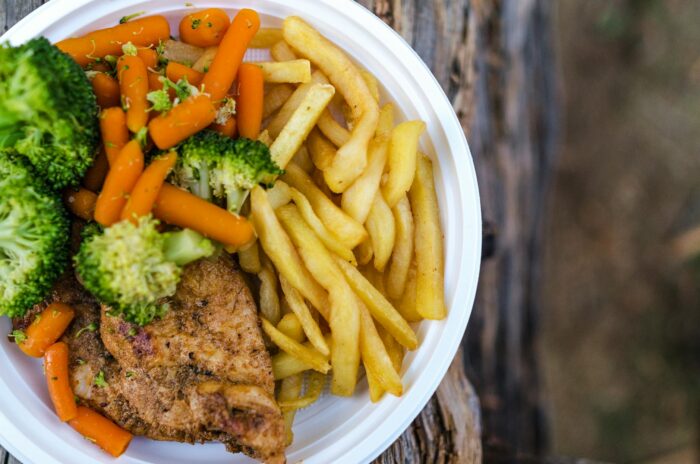
Trophology: how to combine foods properly
Trophology is the science of proper food combining — an approach rooted in ancient Taoist yin-yang principles, which holds that health depends not only on what we eat, but above all on how we combine foods. In the 21st century, trophology is regaining popularity among those who want digestive comfort without strict calorie counting.
Why does trophology matter?
Digestion demands a huge amount of energy from the body. Trophologists claim it takes even more than running, swimming or cycling. Think about it: when the stomach has to process protein-rich and starchy foods at the same time, which require completely different gastric juices and digestive enzymes, it takes considerably more time and resources.
According to trophologists, wrong food combining causes fermentation in the digestive organs, which poisons the body. Toxins that seep into the bloodstream damage blood quality. Acne, pimples, bad breath and excessive sweating appear. The body becomes susceptible to illness.
So what actually happens? A fermenting stomach cannot supply the body with the calories and vitamins the food contains. We get our energy not from what we eat, but from what we are able to digest and absorb. Each food needs juices of a different composition and different gastric reactions.
The goal of proper nutrition is to prevent fermentation and putrefaction in the digestive tract. Moderation is the foundation of well-being and harmony.
8 basic rules of trophology
Properly combined food — regardless of its fat and cholesterol content — does not create a layer of fat or clog the organs. You can eat anything you like, but don’t mix everything together and don’t eat several concentrated foods at once. That way the stomach works for just three hours instead of eight, and a full five hours’ worth of energy is left over.
- Never eat carbohydrates and acidic foods together. Bread, potatoes, peas, beans, bananas and dates don’t go with lemon, orange, grapefruit, pineapple or tomato. Tomatoes don’t combine with starchy foods — they are best eaten with leafy vegetables and fatty foods.
- Don’t eat two concentrated proteins at the same meal. Don’t combine nuts and meat, eggs and meat, cheese and nuts, or cheese and eggs.
- Don’t eat fats together with proteins. Cream, butter or oil together with meat, eggs, cheese or nuts is harmful to your health.
- Don’t eat acidic fruits together with proteins. Oranges, lemons, pineapples and tomatoes should not be eaten together with meat, eggs, cheese or nuts.
- Don’t eat sugar and starch together. Jellies, jams, sugar, honey and syrup don’t go with grains, bread or potatoes, because they trigger fermentation.
- Eat only one type of concentrated starch at a time.
- Melon and watermelon should be eaten on their own. Combined with other foods, melon and watermelon can cause health problems. Melon on its own can replace a whole meal.
- Always have milk as a separate food. Milk is a complete food for children and baby animals, but it interferes with the digestion of other foods, which is why it should be drunk on its own. Acidic fruits can be eaten alongside milk, because they don’t interfere with each other’s absorption.
Food combinations
A simple rule of thumb: eat protein-rich foods (meat, fish, eggs, cheese, nuts) and starchy foods (potatoes, bread, pasta, grains) at separate meals. Both, however, go well with low-starch vegetables — they are excellent all-purpose companions.
| Protein | Fats (neutral) | Starchy foods |
|---|---|---|
| Meat, fish, eggs, cheese, milk, sour milk, yogurt, nuts, olives, sesame and pumpkin seeds | Avocado, butter, cream, rendered fat, oil, sour cream, margarine | Beans, bread, crackers, peas, peanuts, grains, potatoes, flour, pumpkin, lentils, pasta |
| All three groups go well with low-starch vegetables: Eggplant, green salad, chicory, broccoli, endive, green beans, all kinds of cabbage, kohlrabi, rutabaga, bell pepper, watercress, parsley, cucumber, asparagus, spinach, tomato, zucchini. Vegetables with a small amount of starch: cauliflower, peas, carrots, sprouts, artichokes, Swiss chard, celery, pearl onions, beets, mushrooms, sweet corn. Note: garlic, leeks, radishes, black radish, onion and shallots irritate the stomach — be moderate. |
||
For fruit, an additional rule applies: there should be at least three hours between eating different fruits. Sweet fruits (bananas, dried dates, figs, raisins) are best eaten after other fruits. Eat melon and watermelon on their own or before other fruits.
Practical trophology tips
If you follow the rules of trophology, you don’t have to obsessively count every calorie you eat, study fat content or worry about cholesterol, because incomplete digestion and poor metabolism are the main reasons fat and cholesterol build up.
A few simple steps to get started:
- Eat as many foods raw as you can.
- Give up industrially processed foods.
- Don’t overdo the oil, fat and salt.
- Season with fresh or dried herbs.
- When putting your menu together, take into account the physiological limits of the digestive glands and juices.
And there’s no need to prop yourself up with coffee or sweets when you feel tired: if your digestion is working well, the energy is there naturally.
FAQ: questions about trophology
Does trophology mean giving up your favorite foods?
No. Trophology says: you can eat anything you like, but don’t mix everything together. Your food choices stay the same; the combinations change.
Can trophology help you lose weight?
The aim of trophology is to optimize digestion, not to bring about weight loss directly. That said, trophologists claim that incomplete digestion and poor metabolism are among the main reasons fat accumulates, so there is an indirect link.
What does “only one protein per meal” mean?
It means that for lunch, for example, you choose either meat, eggs, cheese or nuts, but not several protein sources at once. Each protein needs a slightly different digestive environment, and mixing them puts unnecessary strain on the digestive system.
Author: According to foreign literature AILI MERISTO
Source: WHO – healthy eating.
Come and work out! ArtGym




