Gym guide for women: a quick introduction for beginners
Going to the gym for the first time isn’t easy. Many women have been intimidated by unfamiliar machines and big men. But before you turn around and run, remember this: you really have nothing to fear but the machines themselves. This gym guide for women will help you get started without feeling anxious.
Strength training is good for you, helping your body look better on the outside and become healthier on the inside. It doesn’t just work your muscles; it also helps prevent conditions such as osteoporosis (thinning of the bones), high cholesterol, high blood pressure and heart disease. More muscle mass also means a faster metabolism, so you burn more calories even when you’re sitting still. Whether you’re a beginner or simply want to try a different sport, strength training is definitely for you.
1. Gym machines
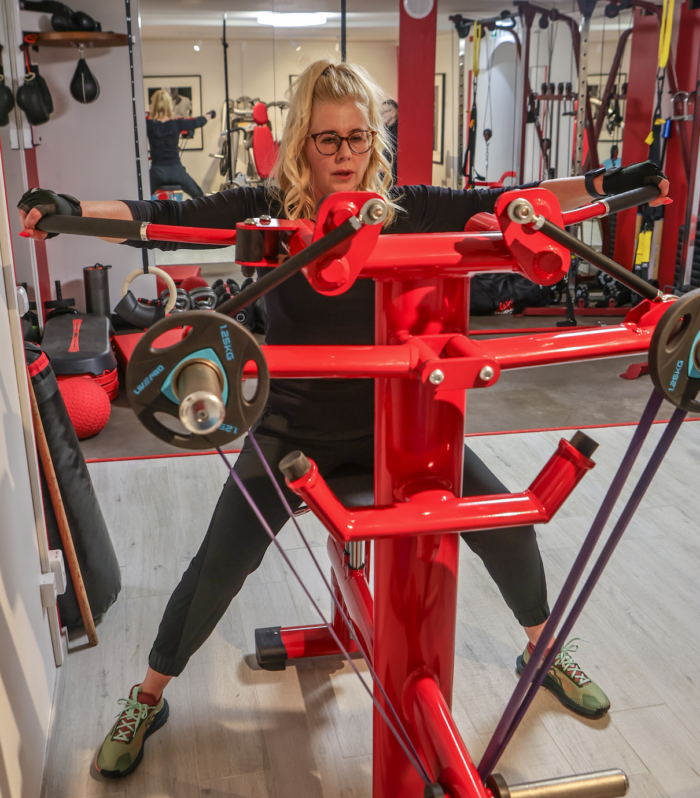
Although exercise machines may initially look like medieval torture devices, they’re a beginner’s best friends. They follow a fixed path of movement, leaving less room for error.
Some machines have weight stacks labeled with numbers in ascending order. You insert a pin into the stack to select the resistance. Other machines use separate weights, such as weight plates, which also have their weight marked on them.
Newer gym machines usually have an instruction label explaining which muscles they work and how to use them. Always read the instructions before using a machine for the first time. Take one walk around it and adjust it to fit you, using the adjustment levers provided. Setting the armrests and seats to suit your height will make the machine comfortable to use.
Next, take a seat. Check how your body fits the machine and adjust it accordingly. Then remove all the weight from the machine — whether plates or stacked weights — and try moving its moving parts and handles using only their own weight. Sometimes these are heavy enough that you don’t need to add any weight at all. Now try a couple of repetitions and see how it feels. If it feels uncomfortable or even painful, the machine needs adjusting. If you’re unsure how to do this, ask a trainer. Once you’ve found the right position, add a little weight and start your workout.
Note! Not all machines are equal. 10 kg on one machine may not feel the same as 10 kg on another. Always test the resistance before you start exercising! Keep a log of the machines and weights you use, too.
2. Free weights
More experienced gym-goers may want to try their hand at free weights. The term simply means that the weight isn’t attached to a cable, machine or anything similar. You’re responsible for moving it, and your body controls the range of motion, speed and balance.
To use free weights, you’ll probably need to sit or lie on a bench. These usually have a padded surface, with levers underneath or behind the bench to adjust the seat angle and height.
Once you’ve adjusted the bench to suit you, you can choose between barbells and dumbbells, depending on your preference. Dumbbells usually have their weight marked on the side and are grouped together in order of weight. They can sometimes get mixed up, though, so check the weight on the side first, just to be sure.
Barbells are essentially elongated dumbbells and are also usually organized by weight and intended use. A long, straight Olympic barbell typically weighs 15–20 kg on its own, while a shorter, curved EZ-curl barbell weighs less, at 10–15 kg each. You can add weight to barbells just as you can to machines. To keep the weights from sliding off the barbell, always secure them with collars fitted to the ends. You’ll usually find the collars in the same area as the barbells.
3. Cable stations
Once you’re familiar with the machines and understand your body’s biomechanics, you’re ready to use cables. A cable station usually looks like a large upside-down U, with weight stacks on either side connected across the top by a metal bar. These machines also use weight stacks, usually attached to a long, relatively thin cable. Different handles attach to the end of the cable depending on the exercise. They connect with a clip that opens and closes with a simple press.
Because of their different design, cables may feel unfamiliar at first, but they just take a little getting used to. Test them slowly and thoroughly. Watch how other gym-goers use them, too, and don’t be shy about asking a trainer for advice!
4. Other machines
Of course, not all machines fit into the categories listed here. Some are connected to computers, while others use air resistance. Some barbells may come in different sizes and shapes. If you’d like to try any of these, ask a trainer for advice.
5. Weights and training program
Now it’s time to put together a program! Beginners should do strength training 2–3 times a week and keep the same exercise routine throughout the first month. Always start with a 10–15 min warm-up, then train the larger muscle groups, such as your chest, back and legs, followed by smaller groups such as your biceps, triceps and calves. Choose a weight you can lift for 12–15 reps. When it becomes too easy, increase the weight.
Many people stop going to the gym after a couple of months because they don’t see any changes. They probably aren’t training to their full potential. You need to adjust your program as your body adapts to training.
After your workout, give yourself 10 min to cool down and stretch. This helps your body return to its normal temperature, improves flexibility and helps reduce muscle stiffness. Your muscles may feel quite stiff the next day, but that’s a good thing, as it shows you’ve worked them properly. Your muscles shouldn’t be overly sore, though, and if you feel a sharp pain after your workout, consult a sports medicine physician.
Whether you choose a machine, barbells or cables, always use a full range of motion and proper form, taking your time and making a conscious effort. If you have any questions, consult a trainer.
Photo: Mati Hiis; Model: Piia Ausman; Location: Tallinn Bodybuilding Studio
Come work out! ArtGym