
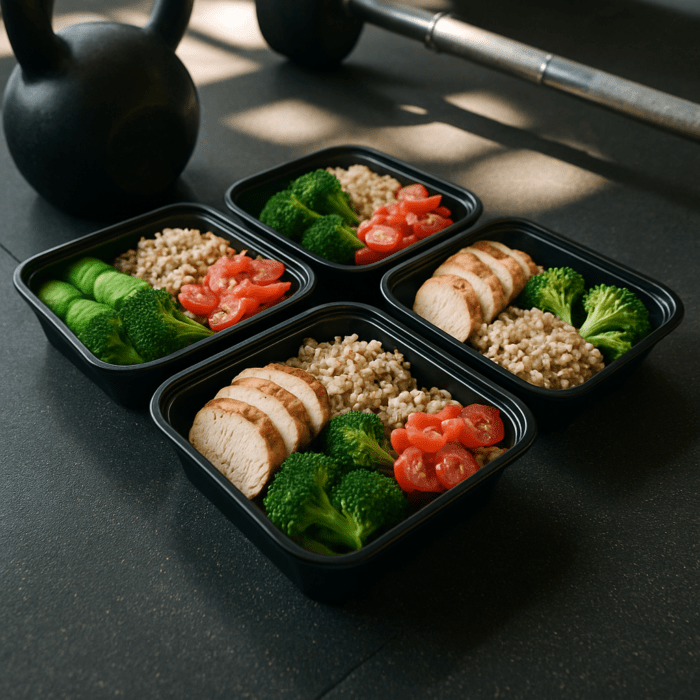
Healthy eating for beginners: a simple guide
Healthy eating doesn’t have to start with a new diet, an expensive meal plan or a kitchen full of powders. You can start by understanding three things: how much you eat, what your food is made of, and how to do it consistently in real life.
If you’re still a beginner, the biggest wins come from simple choices. More real food, enough protein, more vegetables, less random snacking. Sounds boring? Maybe. But it’s exactly what works.
Why does healthy eating matter at all?
Food affects how you feel every day. And not just your body weight. It also affects your sleep, training, concentration, digestion, and whether your energy is completely gone by the evening.
On a day when you’ve eaten a proper meal, the bar moves better. On a day when you’ve lived on coffee, a pastry and a random snack, the workout feels harder. The body doesn’t work miracles. It uses what you give it.
For a beginner, it’s important to understand that healthy eating doesn’t mean perfect eating. Nobody has to eat chicken, rice and broccoli every day. You also don’t have to avoid sweets for the rest of your life. It’s about the big picture. What do you eat most of the time?
A simple truth: if most of your food is simple, nourishing and eaten in moderate amounts, there’s room alongside it for a birthday cake or a weekend pizza.
Healthy eating starts with energy balance
When it comes to body weight, energy balance matters most. If you eat more energy than you burn over a long period, your weight goes up. If you eat less than you burn over a long period, your weight goes down. This isn’t a punishment or some mystical science, just how the body normally works.
Counting calories isn’t necessary for everyone. For some people it works well, because the numbers bring clarity. For others it only creates stress. Either way, you need to have some picture of portion sizes.
If your goal is to lose weight, first look at your drinks, snacks and portions. Soda, juice drinks, sweets and the evening “just a little more” can add up to more energy than you think. If your goal is to gain weight, especially muscle mass, you need to eat enough. Some leaner people who train think they eat a lot, but their actual daily intake is still small.
A practical way to do it without a scale: put a palm-sized portion of protein on your plate, a fist of carbohydrates, a thumb of fat and plenty of vegetables. It isn’t precise science, but it gives you a good framework to start with.
Macronutrients: protein, carbohydrates and fat
Macronutrients are proteins, carbohydrates and fats. They give the body energy and building material.
Protein helps maintain and build muscle. Good sources are meat, fish, eggs, cottage cheese, kohupiim (Estonian curd), yogurt, tofu, beans and lentils. If you train at the gym, protein should be part of every larger meal.
Carbohydrates provide energy. Potatoes, rice, buckwheat, oat flakes, wholegrain bread, fruit and legumes are perfectly normal foods. You don’t need to fear them. The amount depends on your goal and activity level. If you have a long workday and a workout in the evening, carbohydrates really do help.
Fats are necessary for hormones, the nervous system and overall health. Nuts, seeds, olive oil, avocado, fattier fish and eggs are all good choices. Just keep an eye on the amount, because fatty foods provide a lot of energy in a small volume.
Micronutrients and dietary fiber
Vitamins and minerals don’t provide much energy, but the body doesn’t work well without them. Magnesium, potassium, iron, calcium and vitamins are linked to muscle function, blood, bones, nerves and recovery.
The simplest way to get them is to eat a varied diet. Vegetables, berries, fruit, potatoes, grains, dairy products, fish, meat, eggs and legumes cover a large share of your needs. The Estonian winter is long and dark, so vitamin D may be an issue for many people, but when it comes to supplements, go by need, not by advertising.
Dietary fiber deserves special attention. It helps digestion work better and keeps you full for longer. If your stomach suddenly gets bloated when you start eating healthier, don’t immediately conclude that vegetables don’t suit you. Add them gradually, not by the kilo overnight.
What should you eat if your goal is healthy eating?
A good menu doesn’t have to be complicated. In fact, the best start is to keep simple staples at home. Then you don’t have to improvise every time you’re hungry.
- Vegetables: cucumber, tomato, cabbage, carrot, broccoli, cauliflower, bell pepper, frozen vegetable mixes.
- Protein sources: eggs, chicken, fish, ground meat, cottage cheese, kohupiim (Estonian curd), Greek yogurt, tofu, beans and lentils.
- Carbohydrates: potatoes, rice, buckwheat, oat flakes, wholegrain pasta, wholegrain bread, fruit.
- Fat sources: nuts, seeds, olive oil, egg yolk, fattier fish.
- Drinks: water, tea and coffee without going overboard on sugar and cream.
Unprocessed or minimally processed food should make up a large part of your menu. That means food whose composition is easy to understand. A potato is a potato. An egg is an egg. Fish is fish. If the package has a long ingredient list and you don’t recognize half the words, there’s no need to make it an everyday staple.
Honestly, there’s one big plus here: it’s harder to overeat real food. Try eating too many boiled potatoes, too much chicken and salad. It feels completely different from a bag of chips, a pack of cookies or a sugary drink.
That doesn’t mean processed food is automatically bad. Bread, yogurt, frozen vegetables and canned beans can be very practical. It’s better to be cautious with foods that combine lots of sugar, fat and salt. They taste great, but they often don’t fill you up in the same way.
Healthy eating in real life: simple tricks
The best menu is the one you can still stick to in three weeks. If you start too strictly, you’ll run out of steam quickly. On Monday your motivation is high; by Thursday you’re hungry and ordering whatever’s closest.
Start with one meal. For example, upgrade your breakfast: oat flakes with berries and yogurt, eggs with whole-grain bread, or quark with fruit. Once breakfast is sorted, move on to lunch. Then dinner.
If you work out after work, plan a snack. With a banana, yogurt, a sandwich or quark, heading to an evening workout is much better than going in fasted. You don’t have to eat within some magic minute after your workout, but a proper meal should still come within a reasonable time.
When it comes to portions, a kitchen scale is a good helper, especially at the beginning. Not to turn your life into a chase after numbers, but to train your eye. Many people are surprised by how small one spoonful of oil really is, or how quickly the energy from nuts adds up.
Don’t make the mistake of banning all your favorite foods, either. If you love chocolate, plan a small amount into your menu. Forbidden foods often just turn into bigger cravings. Balance works better than “from now on, never.”
Keep an eye on sleep and water too. Hunger and tiredness are easily confused. If you sleep little, you often crave more sweet and fatty food. If you drink little, you feel worse and your training seems harder. Learning to eat healthily doesn’t happen separately from the rest of your life.
FAQ: healthy eating for beginners
Does healthy eating mean counting calories?
No. Counting calories can help when your goal is very specific, such as weight loss or muscle building. For a beginner, it’s often enough that portions are reasonable, every meal contains protein and most of your food is real food.
Do you have to avoid sweets completely?
No. The problem isn’t one slice of cake, but a habit where sweets and snacks replace real food. If your menu is mostly in order, there’s room for something nice too. Amount and frequency matter.
Where should a beginner start?
Start with the simplest things: eat protein at every main meal, add vegetables and cut back on liquid calories. Do this for two weeks. Only then start changing the finer details.
Author: Peep Reinar
Come and train! ArtGym




